
Fadli: Four Foundations for Developing History and Culture Through Museums
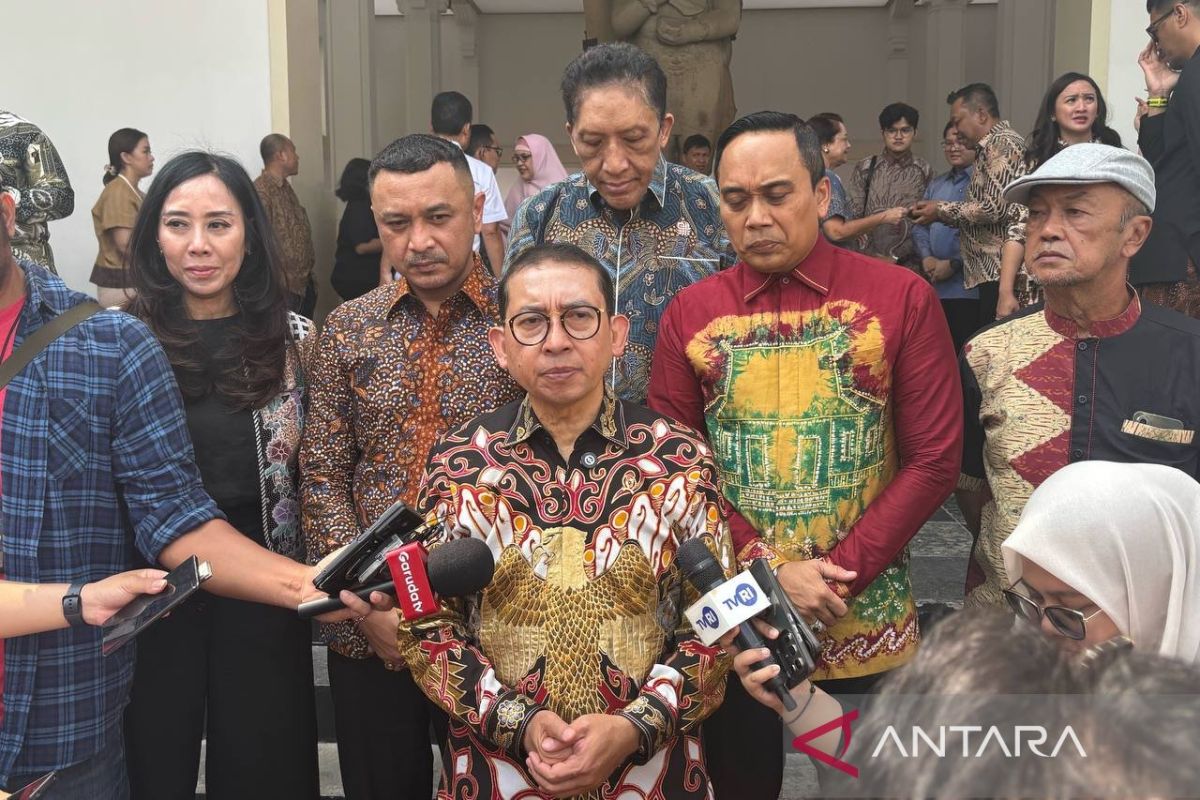
Jakarta (ANTARA) - Minister of Culture Fadli Zon stated that museum policy is built upon four foundations intended to revitalise knowledge, including history, through museums.
“Museum policy stands on at least four foundations; first, the museum as an instrument for shaping national identity and character,” Fadli said during a cultural oration held at the National Museum in Jakarta on Monday, in observance of International Museum Day.
According to him, a great nation is determined not only by physical infrastructure but by the ability to preserve heritage and ensure cross-generational transmission so that history remains alive and evolving. Through museums, he noted, historical heritage can be strengthened into a national narrative and a source of confidence, helping the nation establish its foundations of history and civilisation.
“This is the role of museums in reinventing Indonesian Identity—rediscovering our national identity,” he explained.
Secondly, museums serve as public spaces for learning to listen, understanding context, and respecting differences.
The third foundation is the museum as a space for restoring cultural sovereignty, notably through repatriation agendas. Concretely, the Indonesian government has successfully repatriated 28,131 fossils and collection records from the Dubois collection from the Netherlands, including early findings of Homo Erectus, which are vital parts of the nation’s history.
The fourth foundation is for museums to serve as a place where capital culture is developed into public and economic value. This can be achieved through valorisation, which involves providing broader value to museums and cultural sites.
“Valorisation also means making museums more accessible, easier to understand and attractive, stronger in narrative, and more financially sustainable,” he added.
The utilisation of museums is also expected to serve as a source of raw materials for the cultural industry, which he described as museums acting as the upstream infrastructure within the cultural economy.