
Fadli: China's tea-drinking culture can strengthen diplomatic relations
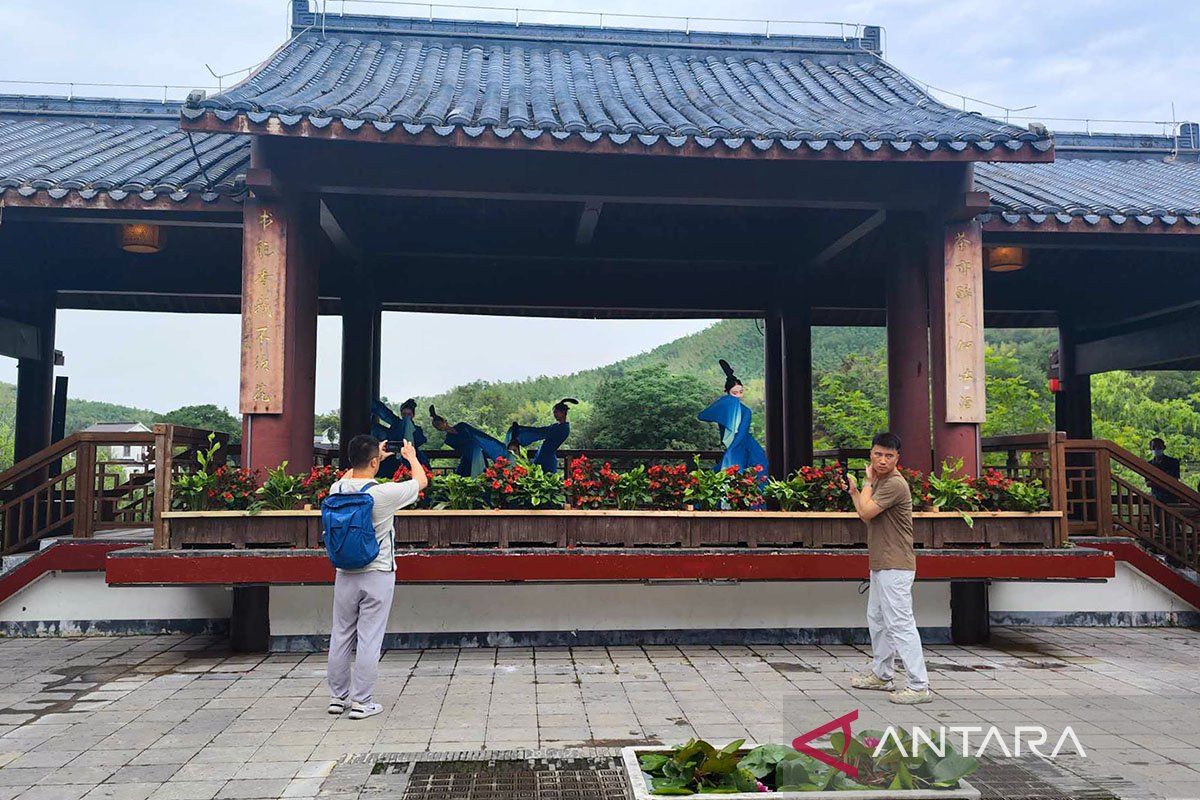
Culture Minister Fadli Zon has said that tea, one of China’s cultural traditions, can serve as a medium to strengthen social ties, including with Indonesia. “Tea, simple yet meaningful, can be a bridge between civilizations. Culture has the power to build peace, bolster international cooperation, and create spaces for dialogue based on mutual respect,” said Minister Fadli Zon in an official statement confirmed from Jakarta on Friday. He noted that tea from China has also evolved into a universal cultural language that transcends borders, generations, and different backgrounds. Fadli also praised China’s successful registration of Traditional Chinese Tea Processing Techniques and Associated Social Practices on UNESCO’s List of Intangible Cultural Heritage in 2022 as a commitment to keeping living cultural heritage. Moreover, the Minister emphasised that Indonesia also has a rich tea tradition, part of Nusantara’s long history as one of the world’s important tea-producing regions. Indonesia–China cultural relations have endured for centuries through trade, migration, and cultural exchange, which have significantly influenced the development of art and tradition in Indonesia; this can be seen in coastal batik motifs, the development of wayang kulit, and the artistic parallels between Peking Opera and traditional Indonesian performances. The Ambassador of the People’s Republic of China to Indonesia, Wang Lutong, said that tea has long been a medium of civilisation and a messenger of peaceful relations across nations. He stated that the culture of tea embodies the philosophy of balance between humans and nature, while also reflecting inclusivity and shared prosperity among peoples. “In the tea ceremony, everyone enjoys the same tea and it is served with full honour. Tea teaches harmony, mutual benefit, and strengthens bonds between nations,” Wang Lutong said.