
Facts Regarding the Mysterious Booming Sounds That Alarmed Bandung
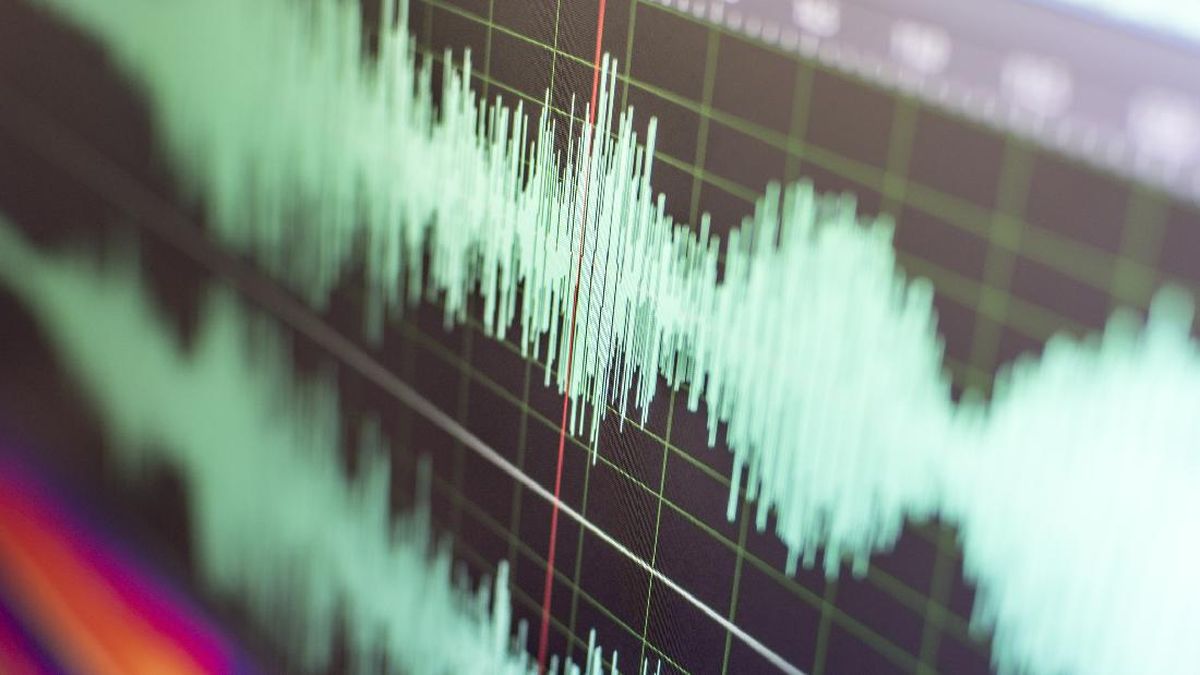
Mysterious booming sounds caused widespread alarm among residents across several areas of Greater Bandung from Friday night (4/9) until the early hours of Saturday (5/9). The Meteorology, Climatology, and Geophysics Agency (BMKG) Bandung Station subsequently investigated the phenomenon to determine its potential cause.
Here are the facts regarding the booming sounds heard in Greater Bandung:
- Skyquake phenomenon
The Head of BMKG Class I Bandung Geophysical Station, Suaidi Ahadi, stated that the agency has inspected all geophysical and meteorological monitoring instruments, including earthquake data, lightning activity, weather conditions, and Earth’s magnetic anomalies, during the timeframe of the booms, specifically between 23:00 WIB and 05:00 WIB. Based on the analysis of monitoring data, BMKG has defined the event as a ‘skyquake’—a phenomenon whose primary cause remains unexplained.
- Not an earthquake
Monitoring results also showed that the weather in Greater Bandung was relatively clear, and no local earthquake activity was detected, including on the Lembang Fault, Cimandiri Fault, or any other active faults. “Based on BMKG’s seismic data, no seismic activity was detected in the region,” said Teguh Suadi during an online press conference on Saturday (5/9).
- Concurrent with Mount Anak Krakatau activity
During the suspected timeframe, magnetic anomalies and high concentrations of thunderstorm activity were recorded in the area of Mount Anak Krakatau, coinciding with volcanic eruptions. However, the link between the booms in Bandung and the activity of Anak Krakatau remains a significant scientific puzzle. “Volcanic activity occurred at Krakatau, yet it was not reported or discussed by residents in Banten, Jakarta, or Bogor, which are located closer. This booming phenomenon occurred only in the Bandung area and its surroundings,” noted Teguh. Logically and geographically, a normal-scale volcanic eruption from Krakatau is considered too distant to be heard in the Bandung Basin without being heard in the intervening regions.
- Emergence of the methane gas hypothesis from the Ancient Lake
After finding no seismic activity to explain the booms, BMKG proposed another possibility based on scientific literature. One hypothesis suggests that skyquake phenomena can be triggered by the release of methane gas from the bottom of an ancient lake basin. This hypothesis is linked to the geological condition of Greater Bandung, which sits atop the area of the former Ancient Bandung Lake. However, this remains a hypothesis and has not been confirmed as the definitive cause of the sounds heard in Bandung. BMKG plans to coordinate and further study this possibility alongside the Geological Agency and the Centre for Volcanology and Geological Hazard Mitigation (PVMBG). BMKG has urged residents of Greater Bandung to remain calm, avoid panic, and verify information to avoid hoaxes. BMKG ensures that atmospheric and seismic monitoring continues 24 hours a day, and advises the public to monitor all developments regarding natural phenomena through official BMKG communication channels.