
Facts About Rare Cancers: Patients May Experience Anxiety and Isolation
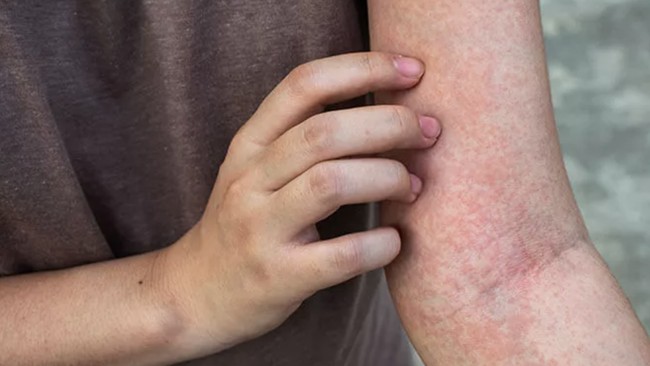
Jakarta, CNBC Indonesia – Rare cancers present challenges from symptom recognition and diagnosis through to treatment selection. Because each type has different characteristics, patients may need specialised tests and doctors with relevant expertise.
Research in the United States estimates that around one in five cancer diagnoses involves a rare cancer. These include sarcomas, certain lymphomas, haematological malignancies, rare skin cancers, neuroendocrine tumours (NETs) and some brain tumours.
Diagnosing rare cancers
Diagnosis usually involves assessing a patient’s medical history and symptoms, a physical examination, and imaging such as CT, MRI or PET scans where indicated. A biopsy is used to take a tissue sample for examination through histopathology.
In some cases, doctors also require immunohistochemistry and molecular or genetic analysis. These tests help distinguish tumours that look similar but have different biological characteristics and treatment responses.
These challenges are evident in the treatment of sarcoma, a cancer that can develop in bones or soft tissues such as muscle, fat and connective tissue.
A systematic review published in the journal Pathology in February 2026 found that five studies reviewed reported significant differences between initial diagnoses and specialist second opinions in more than 20% of the sarcoma cases examined. Such discrepancies can affect patients’ treatment and prognosis.
The findings relate to specific populations and cannot be generalised to all cancer patients. However, they point to the importance of assessment by experienced doctors, particularly when an initial diagnosis is uncertain.
The role of a multidisciplinary team
Dr Kevin Tay, a senior consultant medical oncologist at OncoCare, said rare cancers are among the most challenging conditions to diagnose and treat. Patients may also experience anxiety and feel isolated because the disease is rarely encountered.
“Rare cancers are among the most challenging types of cancer to diagnose and treat,” Kevin said in a press release received by CNBC Indonesia on Friday (9 October 2026).
He said the involvement of doctors from different specialities can help confirm a diagnosis and develop treatment suited to a patient’s condition. The team may include medical oncology, surgical oncology, radiology, anatomical pathology, radiotherapy and other fields as required.
This approach also provided the context for Tamarind Health’s launch of the Rare Cancer Centre on 30 September 2026, coinciding with Rare Cancer Day. The centre connects patients with doctors experienced in treating rare and complex cancers.
The doctors involved are Dr Akhil Chopra, Dr Colin Phipps Diong, Dr Foo Kian Fong, Dr Angela Pang, Dr Richard Quek, Dr Tanujaa Rajasekaran, Dr Kevin Tay, Dr Wong Siew Wei and Dr Valerie Yang.
Tamarind Health Group CEO Lim Eng Seng said the centre was established to connect patients with specialist expertise across different fields. Access to the right doctors, he said, can help patients and their families understand their treatment options.
However, the existence of a specialised centre does not guarantee an accurate diagnosis or successful treatment. Outcomes continue to depend on the type and stage of cancer, the patient’s condition and their response to treatment.
What patients should consider
Patients considering tests or treatment can discuss the need for tissue testing, molecular analysis and a second opinion with their treating doctor. They should also understand the aim of treatment, its expected benefits and side effects, alternative options and monitoring requirements. Medical records, biopsy results, tissue slides or blocks, and imaging results can assist with further assessment.
Consulting a specialist overseas does not necessarily mean a patient must receive treatment there. A second opinion can help clarify the diagnosis and treatment options, which can then be discussed with the patient’s existing medical team.
For patients with rare cancers, care decisions should be based on an accurate diagnosis, tumour characteristics, overall health and the medical team’s advice. Understanding the reasons behind each test and treatment can help patients and their families make more informed decisions.
Source: jawawa.id (https://jawawa.id/newsitem/facts-about-rare-cancers-patients-may-experience-anxiety-and-isolation-1791535836)
Originally published by CNBC Indonesia (https://www.cnbcindonesia.com/lifestyle/20261009130508-33-774737/fakta-fakta-kanker-langka-pasien-bisa-alami-kecemasan-terisolasi), translated from Indonesian