
Factory Workers Strike Over Total Automation of Jobs
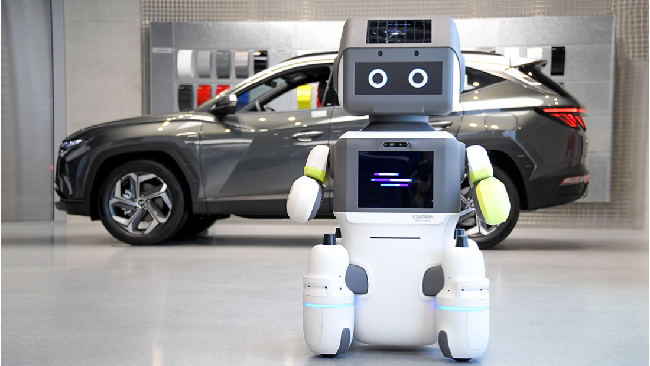
The rise of electric vehicle (EV) technology is not the only major shift occurring in the automotive industry. Robots are reportedly beginning to enter car factories, causing human workers to fear for their jobs. Hyundai employees in South Korea have even started a three-day strike after wage negotiations between the union and management reached a deadlock. The workers did not immediately halt all production activity. They chose to leave their workplaces two hours early until Wednesday, while union leaders continued discussions with management to avoid a longer dispute. The wage issue is one of the sources of the problem. The union is demanding a larger basic salary increase, higher bonuses, and a profit-sharing scheme linked to the company’s annual performance. Workers argue that if technology company employees benefit from the artificial intelligence (AI) industry boom, then workers who manufacture vehicles should also reap the benefits of that business growth. However, this strike is not just about getting more money now. The workers also want to ensure they still have an income in the future as automation expands. Hyundai previously announced plans to introduce Boston Dynamics’ Atlas humanoid robots, a company owned by Hyundai, into its United States factories starting in 2028. In the initial phase, the robots are expected to handle repetitive logistics tasks. Over time, robots will take over more complex assembly duties by the end of this decade. Consequently, the union is demanding formal negotiations before robots are introduced. They are also requesting protection for workers’ incomes as automation increases, as well as an extension of the retirement age from 60 to 65 years. Hyundai is not the only automotive manufacturer investing heavily in humanoid robots and AI-based automation. Tesla, Mercedes-Benz, BMW, Toyota, Mitsubishi, BYD, Chery, and several other car manufacturers are also developing similar technology. Robots are expected to become increasingly common in automotive factories, from moving components in warehouses to assisting in vehicle assembly processes. The strike could potentially cause significant losses for Hyundai. South Korea remains the company’s main production hub. Approximately half of Hyundai’s total global vehicle volume is produced in the country. Even a short production stoppage could result in thousands of vehicles failing to be manufactured and eliminate hundreds of millions of dollars in revenue. Despite this, Hyundai’s management shows no signs of backing down. Domestic Production Chief Choi Yeong Il said in a statement that past strikes have only resulted in irrecoverable production losses, lost wages, and harsh criticism from customers and the public. He also stated that Hyundai will not compensate for wages lost due to the strike.