
Fact Check: European Union Did Not Ban Indonesia from Producing B50 Biodiesel
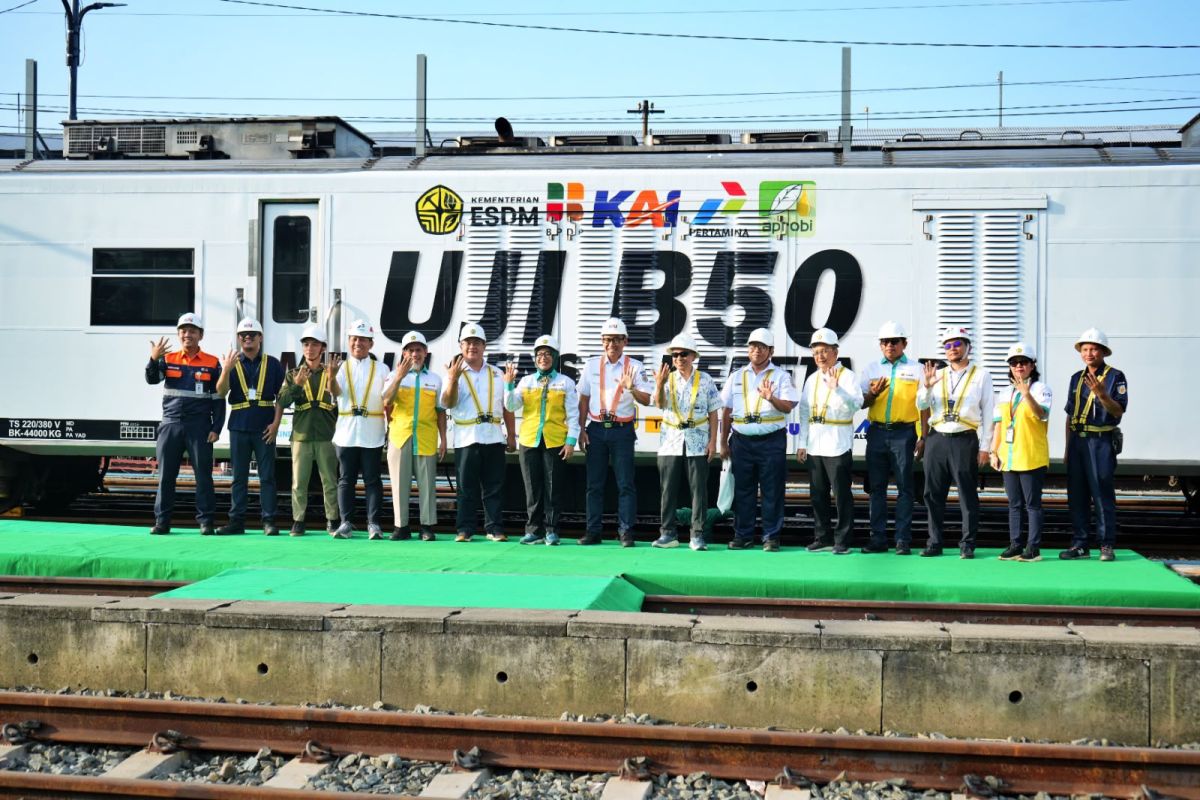
A YouTube video falsely claimed that the European Union has banned Indonesia from producing B50 biodiesel, suggesting the bloc feared Indonesia would become a developed nation through energy self-sufficiency. The claim is a hoax. No official statement from the European Union prohibits Indonesia from producing B50 fuel. The video’s content does not match its title, instead focusing on Indonesia’s plan to implement the B50 biodiesel programme starting 1 July 2026. B50 is a fuel blend of 50 per cent palm oil-based biodiesel and 50 per cent fossil diesel. The programme is expected to reduce diesel imports, save foreign exchange, and support the national energy self-sufficiency target. The video also discusses trade disputes between Indonesia and the European Union regarding restrictions on palm oil use in renewable energy, but presents no evidence of a production ban. Vice President Corporate Communication of Pertamina, Muhammad Baron, stated that the company’s infrastructure is ready to distribute B50, particularly in Java, with a three-month transition period from B40. The Ministry of Energy and Mineral Resources confirmed all sectors are prepared to implement the mandatory B50 policy under Ministerial Decree No. 257.K/EK.01/MEM.E/2026, allowing a transition period until 30 September 2026 for remaining B40 stocks. President Prabowo Subianto stated the B50 programme is part of a strategy to strengthen national energy resilience and independence, aiming to reduce reliance on imported fuel and withstand global energy price fluctuations. The programme is also expected to add value to the national palm oil industry by processing more crude palm oil domestically, creating jobs and strengthening the national processing industry. Provided the Domestic Market Obligation policy is maintained, biodiesel development will not reduce cooking oil supply. The claim that the EU banned Indonesia from producing B50 is false; the issue involves trade policy differences and disputes over palm oil, not a production ban.