
Facing the Waste Crisis, Waste-to-Energy Plant Capacity Deemed Insufficient
The closure of 343 landfill sites across various regions has added to the challenges faced by local governments in managing waste issues. This situation also highlights the importance of strengthening waste management governance to prevent various risks, including accidents and environmental impacts in waste management areas.
The government has prepared waste-to-energy (P2SEL) processing as part of its efforts to address waste problems. However, the planned processing capacity is deemed insufficient compared to the national volume of waste generation.
If all prepared PSEL projects can operate, the waste absorption capacity is estimated to be in the range of 25,000–38,000 tonnes per day. This figure remains far below the national waste generation, which reaches approximately 140,000 tonnes per day.
This condition raises questions regarding the extent to which PSEL can serve as a sustainable solution to waste problems. Local governments are also considered to need other approaches that can run in parallel to anticipate processing capacity limitations.
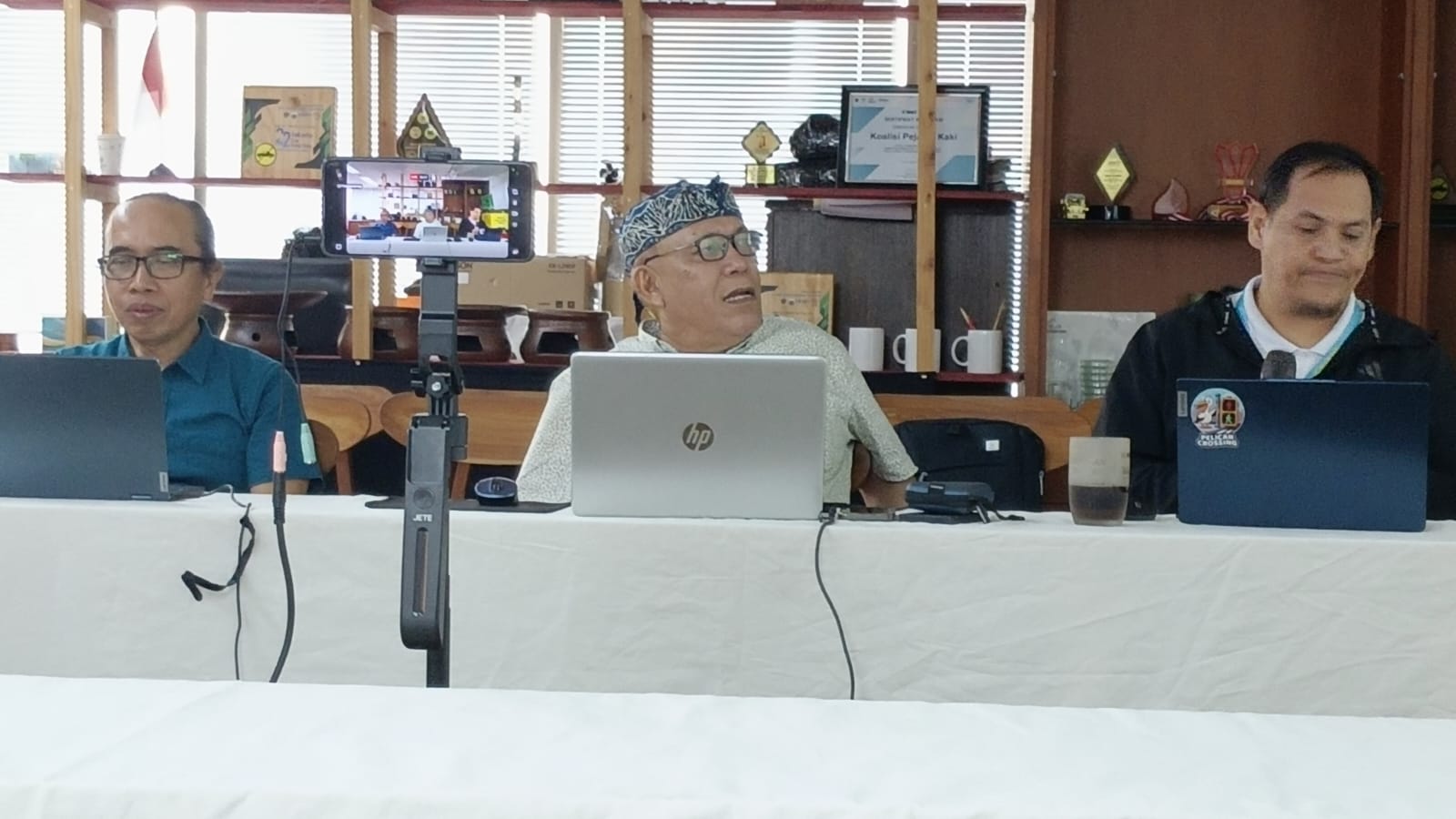
Ahmad Safrudin, Chief Executive of the Net Zero Waste Management Consortium and Executive Director of the Committee for the Elimination of Leaded Petrol (KPBB), assessed that the current PSEL governance preparation still needs strengthening, particularly in terms of planning, technology, financing, and stakeholder involvement.
“The PSEL governance setup currently being implemented is slow, makeshift, non-holistic, and has the potential to merely shift the problem from waste to air pollution and greenhouse gases,” Ahmad stated in his remarks.
According to him, the aspect of operational sustainability needs to be a focus in Pلقة PSEL development. In addition to facility construction, the system requires a guaranteed waste supply chain, including the involvement of parties responsible for sustainable waste collection and delivery.
“With such initiation, planning, technical preparation, and financing, there is a potential for PSEL failure in the future,” said Ahmad.
He assessed that the success of a project cannot be measured solely by the completion of facility construction, but also by the ability of PSEL to operate sustainably and contribute to waste management. Without comprehensive planning, waste-to-energy processing also risks creating new environmental problems, such as air pollution, greenhouse gas emissions, odour, and noise.
Therefore, according to Ahmad, the development of waste processing projects must be accompanied by technological planning, stakeholder involvement, and a business model that considers operational sustainability.
Meanwhile, Esrom Hamonangan Panjaitan from the University of Indonesia highlighted the importance of community and stakeholder involvement in waste management.
“Monopolising waste processing with the primary goal of economic benefit can also threaten the effectiveness of waste management. It could create antipathy from the community and other related stakeholders and lead to a lack of responsibility in waste management,” said Esrom.
In his view, reduced public participation could increase the risk of waste-related issues, ranging from waste accumulation and flooding to waste fires that impact the environment and public health.
Consequently, urban waste management needs to be carried out in an integrated manner, starting from collection, sorting at the source, processing, to residue handling. PSEL and Waste-to-Energy (WtE) technology can be part of this system, while landfills (TPA) should be directed to accommodate the remaining residue after the processing stage.
Ahmad also mentioned the Lifecycle Carbon Neutral (LCCN) approach as a methodology that could be considered in waste-to-energy processing, with attention to emission control and sustainability aspects.
“LCCN is an effective methodology for environmentally friendly and sustainable waste-to-energy processing with controlled emissions,” said Ahmad.
Esrom added that this approach has been used in several countries for waste management. According to him, the LCCN method can also be applied without making waste sorting a primary prerequisite in the processing stage.