
Facing Dry Season, Jakarta Environment Agency Tightens Fire Mitigation at Bantargebang TPST
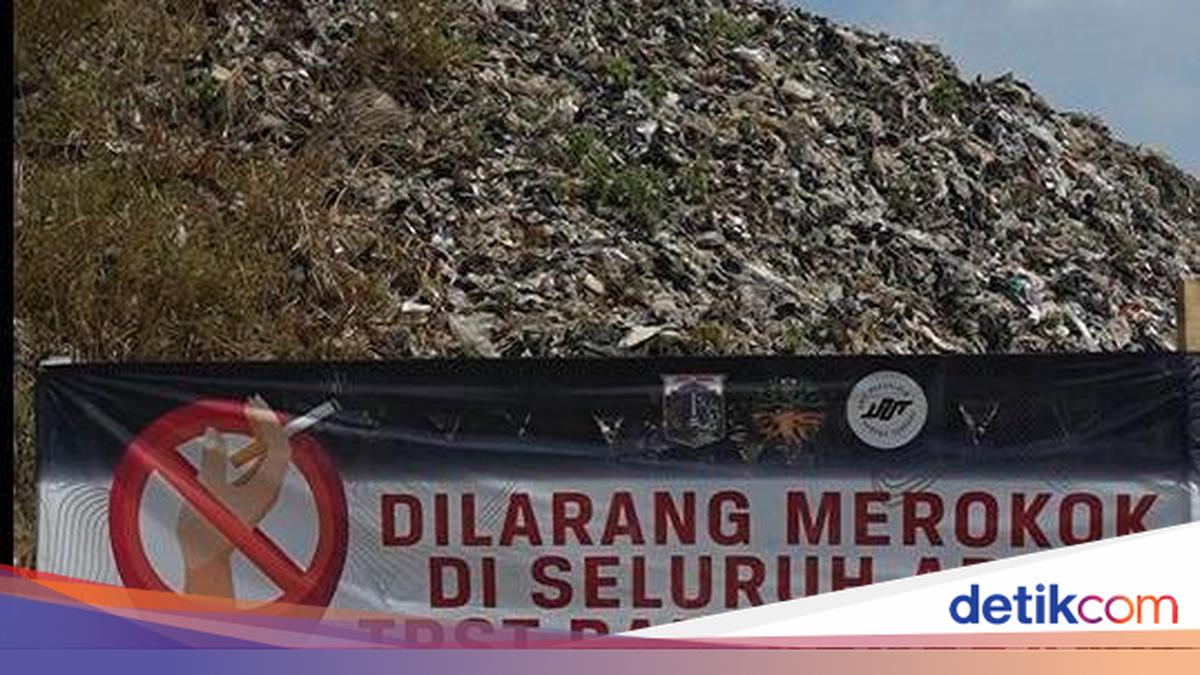
The DKI Jakarta Provincial Government, through the Environment Agency (DLH), is tightening fire mitigation measures at the Bantargebang TPST ahead of the peak dry season. Various prevention efforts are being implemented, from routine patrols to operating a 24-hour command post.
Head of the DKI Jakarta Environment Agency, Dudi Gardesi Asikin, stated that the dry season increases the risk of fire in waste processing areas. Therefore, his party is strengthening anticipatory measures early on to ensure that TPST Bantargebang operations remain safe and do not disrupt waste management services.
“The dry season requires heightened vigilance, especially in landfill areas. Because of this, we are reinforcing anticipatory measures from the outset, ranging from preventing fire spots, ensuring the readiness of personnel and equipment, to cross-agency coordination so that every potential risk can be prevented and handled quickly,” Dudi said in a statement on Monday (6/7/2026).
His party has also prepared standard operating procedures (SOP) for fire, landslide, and flood management in the TPST Bantargebang area. The SOP serves as a guide for officers in carrying out prevention and handling during emergency conditions.
In the landfill area, various prevention measures are being taken, including clearing dried land, removing dry vegetation, and conducting routine patrols. Surveillance is also being strengthened using drones to help detect potential fire spots early.
The Jakarta Environment Agency is also tightening supervision of activities within the TPST Bantargebang area. Waste burning is prohibited, as is smoking in vulnerable areas. The ban applies to scavengers, drivers, and officers operating within the TPST area. Meanwhile, access for unauthorised external parties is also restricted.
“We want to ensure that every potential risk is controlled at its source. Therefore, no waste burning is allowed, smoking activities in vulnerable areas are tightened, and access for unauthorised external parties is restricted. The safety of officers, the surrounding community, and service sustainability are our priorities,” he said.
To anticipate fires, the Jakarta Environment Agency has readied various supporting facilities, such as water pumps, hoses, light fire extinguishers (APAR), water tanks, fire engines, water tank trucks, and spray steam vehicles. Water spraying in landfill zones is also carried out periodically during the dry season.
In addition, all heavy equipment such as excavators and bulldozers are ensured to be in a state of readiness for 24-hour operation. The equipment will be used to localise areas in the event of a fire so that it does not spread.
“The UPST ensures that personnel, heavy equipment, and supporting facilities are in a state of readiness. In handling potential fires in landfill areas, detection speed and the ability to localise the area are very important to prevent the situation from escalating,” he said.
The Jakarta Environment Agency is also operating a 24-hour Disaster Alert Post with a rotating shift system. Furthermore, coordination is continuously carried out with the DKI Jakarta Fire and Rescue Service, BPBD, the police, local government, and other disaster management agencies to strengthen preparedness for emergency conditions.
Dudi emphasised that strengthening fire mitigation is part of the DKI Jakarta Provincial Government’s commitment to maintaining the safety of officers and the surrounding community, as well as ensuring waste management services continue to run during the dry season.
“Our principle is that prevention must be stronger than response. However, if an emergency occurs, all coordination channels, personnel, and equipment must be ready to move. The DKI Jakarta Provincial Government is committed to keeping TPST Bantargebang safe, under control, and not disrupting services to the community,” he concluded.