
Facing Drought, Ministry of Public Works Optimises Dams and Boreholes
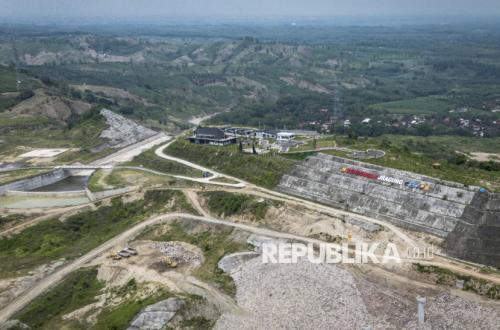
The Ministry of Public Works (PU) is not relying solely on dams to face the threat of drought during the dry season. The government is also optimising 10,789 boreholes with a capacity of more than 114,000 cubic metres per second to maintain water availability for the public and the agricultural sector.
In addition to boreholes, the Ministry of Public Works has placed dams, weirs, small reservoirs (embung), and large reservoirs on standby to ensure water supplies remain stable during the dry season and the El Niño phenomenon.
The Minister of Public Works, Dody Hanggodo, stated that the management of water resource infrastructure is a crucial step in maintaining agricultural productivity and strengthening food security amidst the threats of climate change.
“The Ministry of Public Disworks is committed to building and completing water management infrastructure, such as dams, weirs, small reservoirs, and large reservoirs across various regions. The presence of this infrastructure is vital to support the availability of agricultural irrigation, maintain land productivity, and ensure food supplies remain stable despite the challenges of the dry season or climate change,” Dody said in a statement on Saturday (1/8/2026).
To increase the efficiency of water distribution, the Ministry of Public Works is also regulating the operational patterns of dams and irrigation networks according to field conditions. Meanwhile, several pieces of equipment have been placed on standby for drought-related emergencies. This equipment includes 125 mobile pump units, 921 portable pumps (pompa alkon), and 49 drilling machines that can be deployed to affected areas. The government is also mapping drought-prone areas and increasing public education regarding adaptation measures for the dry season.
In the agricultural sector, the Ministry of Public Works is encouraging the implementation of Water-Saving Rice Irrigation (IPHA) technology, which is considered capable of reducing water requirements without compromising land productivity.
Furthermore, the construction of water resource infrastructure continues, including dams, irrigation networks, groundwater irrigation networks (JIAT), and boreholes to strengthen national water security in the long term.
Currently, the Ministry of Public Works manages 240 dams with a storage capacity of 7.89 billion cubic metres. Additionally, there are 601 ponds and lakes with a storage volume of approximately 135.59 billion cubic metres, as well as over 1,000 raw water reservoirs supporting the needs of the community.