
F-PKB MPR: Ethnic Chinese Are One of the Main Architects of the Republic of Indonesia
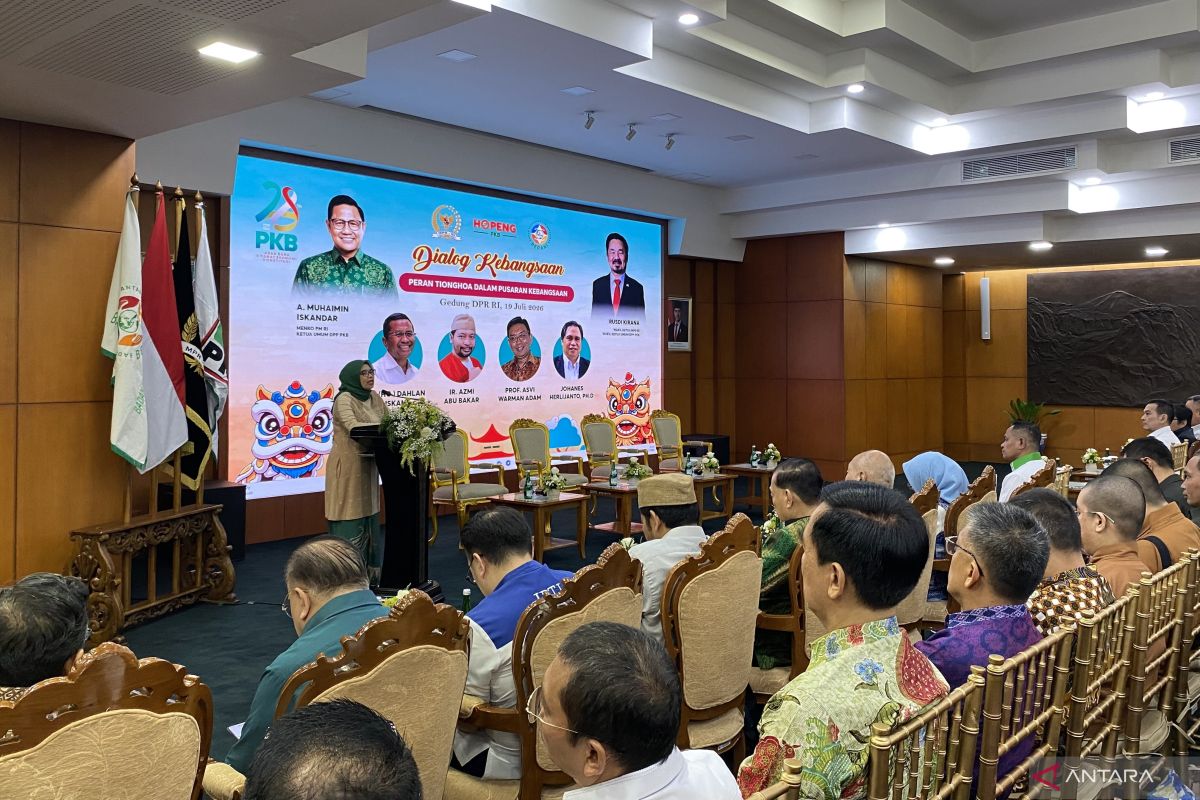
Jakarta - The Chair of the National Awakening Party (PKB) faction in the People’s Consultative Assembly (MPR), Neng Eem Marhamah Zulfa Hiz, has stated that the ethnic Chinese community is one of the main architects in the development of the Republic of Indonesia. The statement was made during a national dialogue on the role of the Chinese community in the nation’s journey in Jakarta on Sunday, in response to the persistent false dichotomy between ‘pribumi’ (indigenous) and ‘non-pribumi’.
‘If we dare to look back at the past with a clear inner eye, the ethnic Chinese are not stowaways on the great ship called Indonesia; they are one of the main architects, founders, and legitimate shareholders of this republic,’ she said. She noted that long before Indonesia’s independence, cultural assimilation had taken deep root in the archipelago through peaceful interaction, with the pulse of acculturation flowing through daily life, from cuisine to architecture.
‘In those times, Chinese militias and Javanese warriors united on the battlefield to strike against the tyranny of the VOC. This history is proof that cross-ethnic solidarity to uphold justice has flourished in the motherland for centuries,’ she added. While a dark period coloured the post-independence historical journey, the fourth president of Indonesia and PKB founder, Abdurrahman Wahid (Gus Dur), took crucial steps to eradicate discrimination against the ethnic Chinese community.
Neng Eem described Gus Dur’s policy as a manifestation of humanism and social justice. ‘Through Presidential Decree No. 6 of 2000, Gus Dur broke the shackles of Presidential Instruction No. 14 of 1967. He restored the civil rights of ethnic Chinese, reinstated the freedom to celebrate Chinese New Year, and placed Confucianism on an equal footing with other religions,’ she explained. This struggle bore fruit, with the ethnic Chinese community now contributing confidently across the bureaucracy, parliament, academia, arts and culture, and even on the international sports stage.
However, she acknowledged that the dichotomy between ‘pribumi’ and ‘non-pribumi’ still lingers, stressing that this false polarisation is merely a psychological barrier deliberately inherited from colonial divide-and-rule politics. The PKB faction in the MPR is committed to eradicating the remnants of discrimination, ensuring the narrative of the ethnic Chinese contribution is placed proportionally and honourably in the history curriculum, and strengthening inclusive collaboration among all elements of the nation. Indonesia cannot make a great leap forward if any of its citizens are left behind, she said, calling on all parties to safeguard unity and nurture the spirit of ‘Bhinneka Tunggal Ika’ (Unity in Diversity).
‘Being Indonesian is not a matter of lineage or genetic origin. Being Indonesian is a spiritual, political, and cultural agreement to live together, support one another, and work hand in hand to achieve glory under the Red and White flag,’ she concluded. The national dialogue was organised by the Interfaith Fraternity Body (Berani), an autonomous body under PKB dedicated to nurturing pluralism, in conjunction with the party’s 28th anniversary.