
Extreme Weather Hits the World as Prices of Five Food Commodities Soar
Jakarta, CNBC Indonesia — Prices of several agricultural commodities have risen sharply so far this year.
The El Niño phenomenon has changed rainfall patterns, causing droughts and extreme rain in various regions around the world. This threatens to disrupt planting seasons and reduce harvests, ultimately tightening global agricultural supplies.
Rising energy and distribution costs have added to the pressure, driving significant price increases for a number of agricultural commodities since the start of the year.
The trend is also reflected in the United Nations Food and Agriculture Organization’s (FAO) global food price index.
The latest FAO Food Price Index data show that the index reached 136.0 points in September 2026, up 1.5% from August and 5.8% from the same period last year.
That was its highest level since November 2022, although it remained 15.1% below the record high reached in March 2022, when the global food market was shaken by the Russia-Ukraine war.
The increase was driven mainly by monthly rises in grain prices of 5.1%, sugar prices of 6.1% and vegetable oil prices of 0.9%.
Meanwhile, Trading Economics data as of Wednesday, 28 October 2026, show that the five agricultural commodities with the largest year-to-date price increases were led by rice, which surged by as much as 80%.
Rubber prices also rose sharply, by 42.75%, followed by barley, up 40%; canola, up 33.47%; and sugar, which gained around 27%.
Rice
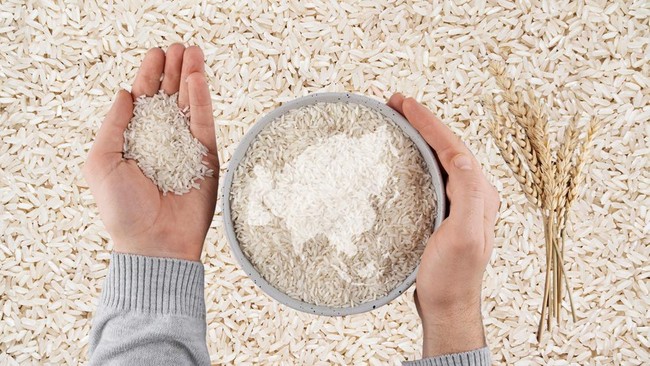
Rice was the agricultural commodity with the largest price increase in 2026. Rice futures reached US$17.29 per hundredweight (cwt), up 80.25% since the start of the year and 72.69% from the same period last year.
The increase has largely been driven by concerns about rice production in several major exporting countries, particularly India and Thailand.
The United States Department of Agriculture (USDA) estimates that India’s rice production in the 2026/27 season will fall by about 7 million tonnes to 147 million tonnes because of a weak monsoon. India’s exports are also expected to decline by 4% to 24 million tonnes in 2027.
Meanwhile, flooding in Thailand has disrupted distribution and increased the risk of crop damage. The threat of El Niño and rising shipping costs have added to price pressures.
Rubber
Rubber prices stood at 256.80 US cents per kilogram, up 42.75% since the start of the year. On an annual basis, prices had surged by 47.25%.
The increase was driven mainly by supply disruptions in major producing countries in South-east Asia.
Heavy rain and flooding in Thailand have hindered rubber tapping, while limited availability of raw materials in Indonesia has also tightened supply.
These conditions briefly pushed rubber prices close to 265 US cents per kilogram in mid-October, their highest level since 2013.
Barley
Barley is a grain crop widely used for animal feed and as a raw material in the food and drinks industries.
The benchmark price in India stood at 3,213.50 Indian rupees per tonne on 26 October 2026, up 40.17% since the start of the year.
The increase was driven mainly by limited barley supplies in the Indian domestic market, while demand from animal-feed producers, malt processors and the drinks industry remained strong.
Canola
Canola, an oilseed used to produce vegetable oil for the food and biofuel industries, has risen 33.47% in price since the start of the year.
The commodity was priced at 786.59 Canadian dollars per tonne.
Prices have been supported by demand from vegetable-oil processors and continued strong demand for biofuel.
On the supply side, wet weather in Canada’s main producing regions temporarily hindered harvesting and raised concerns about availability.
However, canola prices have fallen by 4.50% over the past month as harvest and supply prospects have improved.
Sugar
Sugar ranked fifth, with prices up 27.91% since the start of the year. Raw sugar was priced at 19.20 US cents per pound on 27 October 2026.
The increase was driven mainly by concerns about production in two major producing countries, Brazil and India.
In Brazil, excessive rain temporarily disrupted sugarcane harvesting and processing. Cumulative sugar production through August fell by 10.3% year on year as mills allocated more cane to ethanol production.
Meanwhile, India faces the risk of lower yields because of a weak monsoon affected by El Niño.
These factors have tightened the outlook for global sugar supplies and helped keep prices high throughout the year.
Overall, the price surges in these five commodities illustrate the significant influence of weather, supply availability and industrial demand on agricultural markets in 2026.
If price pressures persist, countries reliant on food and industrial raw-material imports could face higher production costs and import bills.
Source: jawawa.id (https://jawawa.id/newsitem/extreme-weather-hits-the-world-as-prices-of-five-food-commodities-soar-1793173860)
Originally published by CNBC Indonesia (https://www.cnbcindonesia.com/research/20261028112720-128-780133/dunia-dihantam-cuaca-ekstrem-harga-5-komoditas-pangan-ini-meledak), translated from Indonesian