
Extreme heat grips Europe, triggering wildfires and shrinking rivers
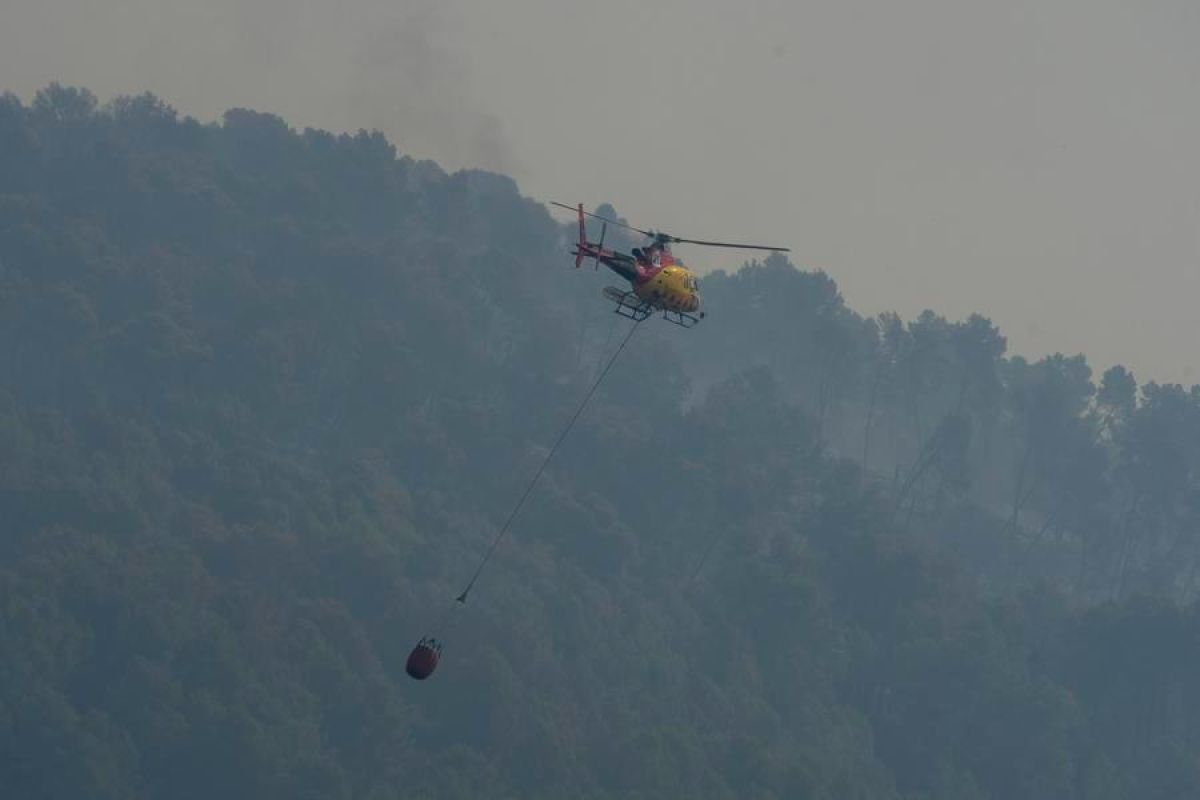
An extreme heatwave is once again gripping Europe, stretching from the Mediterranean to Scandinavia. The phenomenon is breaking local temperature records and triggering wildfires, violent storms, and increased safety risks. Scorching heat and weeks of minimal rainfall have also caused water levels in major rivers to drop to historic lows, disrupting shipping, industrial sectors, and agriculture. Meanwhile, weather experts are warning of the potential for a follow-up heatwave at the turn of the month.
The latest heatwave is extending further north than usual. Norway has experienced extreme heat since mid-July, with 10 weather stations recording local temperature records last week. By Friday (24/7), 40 weather stations in the country had met the official criteria for a heatwave. Temperatures above 30 degrees Celsius were recorded for the first time in areas situated more than 800 metres above sea level.
Southern Europe remains the epicentre of the most intense heat. Temperatures in parts of Greece exceeded 43 degrees Celsius on Wednesday (22/7). Thermal imaging in Athens showed surface temperatures approaching 60 degrees Celsius in some parts of the city, reaching 75 degrees Celsius at the Panathenaic Stadium. Cyprus forecast a maximum temperature of 44 degrees Celsius on Thursday (23/7). Spain is entering its third heatwave of the summer, with temperatures surpassing 42 degrees Celsius in several regions.
Meteorologists say the high-pressure system could potentially expand northwards, bringing temperatures of 35 degrees Celsius or higher to western Germany and increasing the likelihood of ‘tropical nights’. Weather forecast models also indicate a subsequent extreme heatwave will occur from late July to early August, with temperatures potentially approaching 40 degrees Celsius in parts of Central Europe.
The prolonged heat is worsening weather-related hazards across the continent. In Spain, the La Mierla wildfire in Guadalajara has scorched more than 35,000 hectares, making it the country’s second-largest wildfire this century. Other fires in Toledo, Madrid, Leon, and Huelva have forced hundreds of residents to evacuate. According to the EU’s Copernicus fire monitoring system, over 123,000 hectares have burned in Spain this year, roughly four times the area recorded during the same period in 2025. Portugal, which has the highest proportion of nationally burned territory in Europe this year, remains on high alert. Authorities are maintaining heightened readiness and warning that parts of the country face ‘Very High’ or ‘Maximum’ wildfire risk. Greece also reported 51 agricultural and forest fires within 24 hours, though most were quickly brought under control.
High temperatures are also altering conditions in the Alpine region. The Swiss Alpine Club warned that melting snow and thawing permafrost are making mountaineering far more dangerous by opening up crevasses, destabilising slopes, and increasing the risk of rockfalls. Elsewhere, Bosnia and Herzegovina was hit by severe storms after days of extreme heat. Meteorologists explained that the collision of hot and cold air masses triggered supercell storms, bringing destructive winds, large hail, and heavy rainfall that damaged crops and infrastructure.
Weeks of baking weather and scarce rain are also disrupting Europe’s waterways. Water levels on the Danube and Drava rivers in Croatia have shrunk to their lowest ever recorded levels, exposing long-sunken shipwrecks and wartime relics. Further upstream, shallow waters are disrupting cargo transport on Germany’s Rhine River, one of Europe’s busiest commercial shipping lanes. At the key measuring point of Kaub, low water levels are forcing many vessels to operate at just one-third of their normal capacity, driving up freight costs that may ultimately be passed on to consumers. The Netherlands is facing similar pressures. After raising its water crisis status to ‘actual water shortage’, the government warned that falling river discharge is impacting inland waterway transport, industrial production, and the agricultural sector. Low water levels are also worsening water quality, accelerating salinisation, and triggering fish deaths in several locations along with widespread algal blooms.