
Extreme Heat Causes Economic Losses in Germany
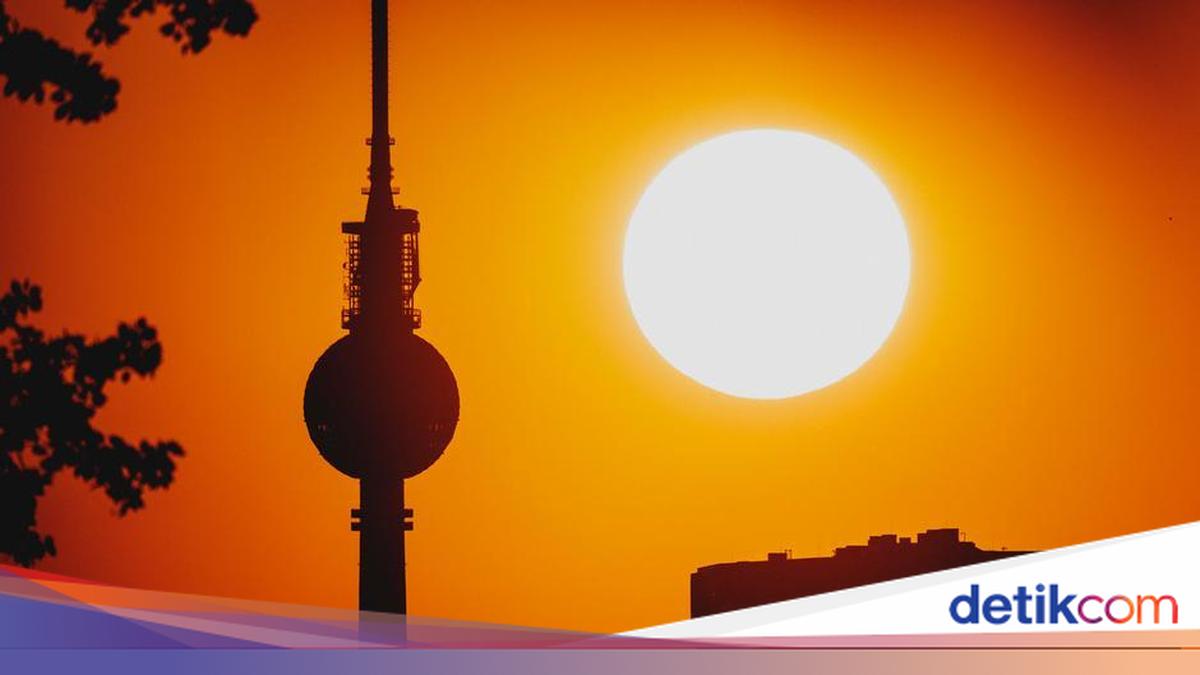
A desk near the window is often considered a blessing during the German winter, offering abundant sunlight and warmth. But in the summer, without air conditioning, the same spot can turn into a torture chamber. As a result of climate change, heatwaves reaching 40 degrees Celsius are becoming more frequent and lasting longer in Germany. The problem is that air conditioning use is still very limited, with only about 6% of households having cooling systems, unlike in the United States or many Asian countries where air conditioning is almost standard equipment. “In northern countries, buildings are usually designed to retain heat because the winters are very cold,” explained economist Katharina Utermöhl from Allianz, who co-authored a study on the impact of heat on the German economy. According to the study, extreme heat can create significant losses as productivity declines and energy costs rise. This means heatwaves are no longer just a weather phenomenon but have become a serious economic problem. The human body is not designed to work comfortably at temperatures above 30 degrees Celsius, especially if it is not acclimatised. Concentration drops, the body perspires heavily, and the circulatory system works harder. According to Utermöhl, the impact on the workplace is measurable: above 30°C, productivity falls by about 3% for every 1-degree rise, and energy costs increase by about 1.2% per degree. People work more slowly, make more mistakes, and machinery can overheat. If air conditioning is used, it requires more and more expensive electricity. The heat is felt most severely by those working outdoors, such as construction workers, farmers, and couriers. According to the German Ministry of Labour, the number of workers falling ill increases by about 3.5% when temperatures exceed 30°C, and can rise by up to 6% if the heatwave is prolonged. This condition further reduces work productivity. The Allianz study estimates that Germany’s economic losses from 2026 to 2030 could reach around 131 billion US dollars. The gross domestic product could potentially fall by up to 3%. This drop in profits could cause companies to hold back on investment, ultimately weakening future productivity and competitiveness. Despite this, Germany is still at a medium level in terms of economic impact from climate change. Countries like France, Italy, and Spain are already more severely affected, while Northern European countries are actually benefiting because milder winters reduce heating needs. The current heatwave is also the longest ever recorded in June since weather records began. “Europe is warming faster than other continents, and the impact is already claiming lives,” said Hans Henri Kluge from the WHO in Berlin. In the last four years, more than 200,000 people in Europe have died from heat. Germany has workplace temperature rules: at a room temperature of 26°C, companies must start considering heat-reduction measures; at 30°C, protective steps become mandatory, such as providing drinks or adjusting working hours; and above 35°C, a workplace is generally considered unfit. However, the Left Party believes these rules are insufficient and is demanding stricter heat protections, including the provision of drinks, sun protection, and fans, additional break times, special assistance for outdoor workers in the form of a “climate short-time working allowance,” and heat protection as a risk management tool. Utermöhl stressed the importance of long-term thinking. “Germany must stop treating heat as a seasonal problem; it is a permanent economic policy task,” she said. This means heat management must become part of corporate planning, from supply chains and employee management to property decisions. She also believes the government must play a more active role, for example by providing tax incentives for heat-resistant buildings, promoting light-coloured facades, increasing shading and building greening, and redesigning urban planning as a whole. Heat also impacts infrastructure. “At 38°C, some of our infrastructure no longer functions properly,” Utermöhl said. Therefore, the government must invest more to prepare infrastructure for extreme heat, a growing challenge for Germany, whose finances are already quite strained.