
Extreme Dry Season Triggers Clean Water Crisis in Five Tangerang Regency Districts
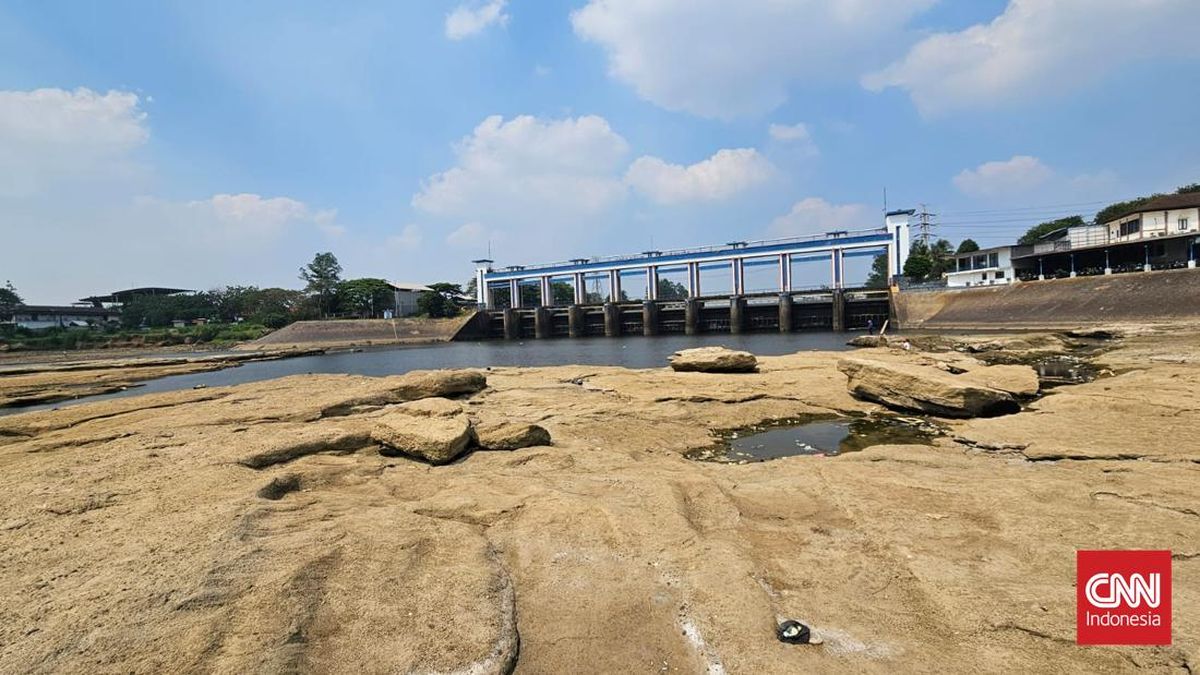
The Regional Disaster Mitigation Agency (BPBD) has recorded that five districts are experiencing a clean water crisis as a result of the extreme dry season of 2026. The affected areas include Curug, Panongan, Legok, Jambe, and Tigaraksa districts. However, not all villages and sub-districts within these five areas are facing the same conditions. “Currently, only five districts are affected. But not all villages/sub-districts in these five districts are experiencing a clean water crisis,” said Head of Tangerang Regency BPBD Achmad Taufik on Wednesday (22/7). According to him, these five districts had previously been included in the drought-prone zones mapped by the BPBD. Based on the disaster assessment results, Taufik stated that around 20 districts in Tangerang Regency have the potential to be affected by drought during the peak of the dry season. “From the assessment results, these potentials have indeed been mapped. The incidents occurring in Tangerang Regency include floods, tornadoes, and drought. Approximately 20 districts are prone to drought,” he explained. To meet the community’s needs, the BPBD has begun distributing clean water aid to the affected areas. Distribution is carried out based on requests from village or sub-district governments to ensure the aid is targeted appropriately. Additionally, Taufik said his agency is continuously coordinating with several relevant agencies, including the Tirta Kerta Raharja (TKR) Regional Drinking Water Company, to ensure the availability of clean water supplies should the impact of the drought widen further. “We are anticipating this while coordinating with relevant Regional Apparatus Organisations. For example, with the Regional Water Company so they can later help prepare clean water as aid,” he said. Taufik mentioned that the BPBD has also placed personnel and fleets on standby at 14 fire stations operating in shifts around the clock. “The Operational Control Centre (Pusdalops) is on full alert, receiving emergency reports 24 hours a day, both from field posts and direct reports from the public,” he stated.