
Extreme Drought Threatens 43 Hectares of Rice Fields in Tangerang Regency with Crop Failure
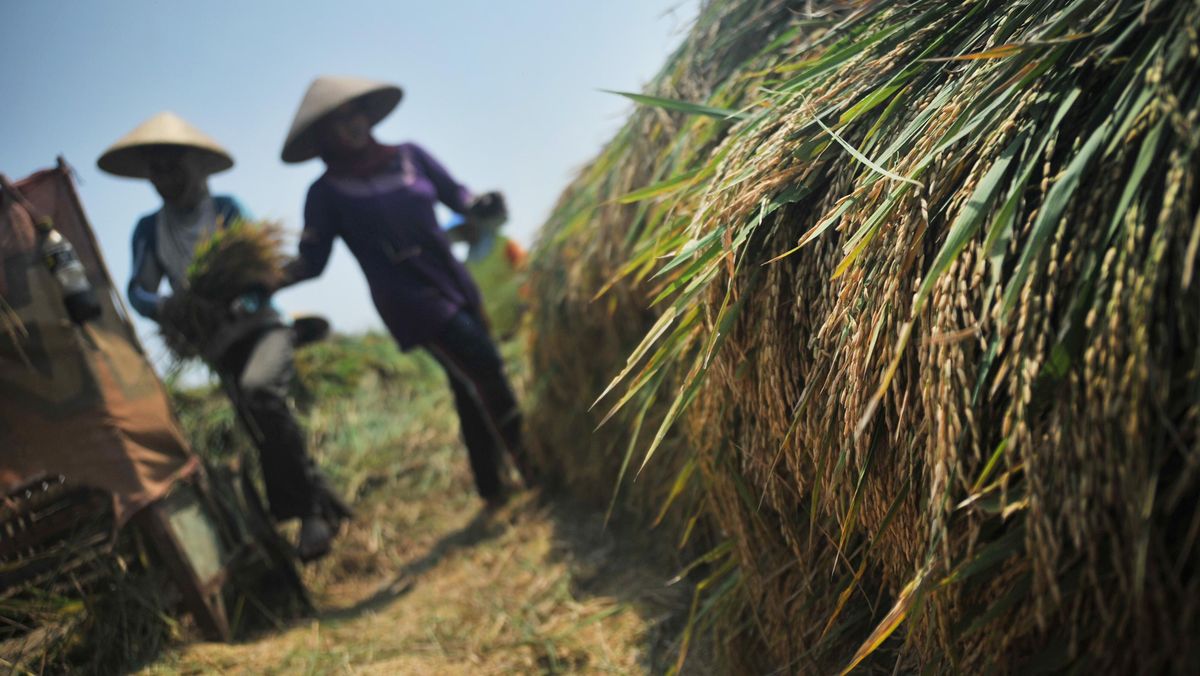
The Regional Disaster Management Agency (BPBD) of Tangerang Regency has mapped 43 hectares of agricultural land in its territory as potentially experiencing puso, or harvest failure, due to the extreme drought affecting the area.
Head of Tangerang Regency BPBD, Achmad Taufik, said the farmland at risk of harvest failure is spread across 12 districts comprising 24 villages.
“Based on information from the head of the agriculture office, the potential puso or harvest failure is around 43 hectares, spread across 12 districts and 24 villages in Tangerang Regency,” said Taufik on Wednesday (5/8).
According to Taufik, the regional government has prepared anticipatory measures to assist farmers should the harvest failure actually occur. One of these is providing 8.9 tonnes of seeds to replace affected crops.
“The steps taken by the regional government include preparing 8.9 tonnes of replacement seeds,” he explained.
Meanwhile, Head of the Facilities Division at the Tangerang Regency Agriculture and Food Security Office (DPKP), Sahri, said his office has not yet received any reports of farmland experiencing puso due to drought.
“To date, there have been no reports regarding the extent of farmland suffering harvest failure due to drought. The threat of harvest failure comes not only from the dry season, but could also come from pests and diseases,” said Sahri.
Although no harvest failure has been reported, the DPKP continues to carry out various mitigation measures to reduce the drought’s impact on the agricultural sector.
“We have mapped drought-prone areas, used BMKG data for planting schedules, carried out outreach, placed agricultural machinery brigades (water pumps) on standby, cleaned irrigation channels, and prepared seed assistance should harvest failure (puso) occur,” Sahri explained.
In addition, the DPKP has mapped potential water sources, including former sand-mining pits in the southern part of Tangerang Regency, which will be utilised as water sources with pump support to help irrigate farmland during the dry season.