
Extreme Drought Forces Thousands in Jember to Choose Between Drinking and Washing
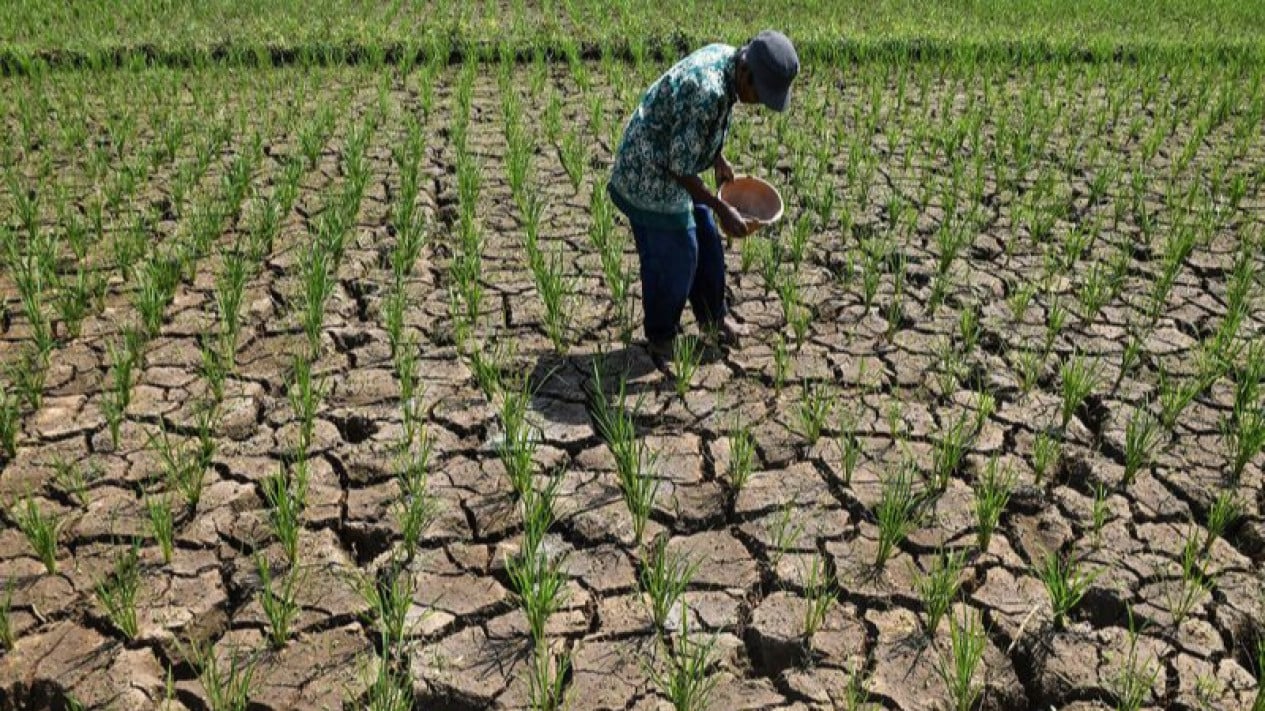
Thousands of families in Jember regency, East Java, are facing a clean-water crisis as an extreme drought lasts longer than expected. Residents have been forced to prioritise water for basic needs such as drinking and cooking, while bathing and washing clothes must wait until more water becomes available.
The Jember Regional Disaster Mitigation Agency (BPBD) said 2,456 households have been affected by the drought. They are spread across 19 villages and urban wards in 10 sub-districts.
As residents’ wells dry up, communities have become increasingly dependent on water deliveries. “According to data available today, 2,456 households across 19 villages and urban wards in 10 sub-districts are experiencing a clean-water crisis because their wells have dried up as a result of the extreme drought,” Jember BPBD chief Edy Budi Susilo said on Wednesday, 14 October 2026.
Edy said requests from residents for clean-water deliveries had increased over the past few weeks. The agency had at times struggled to meet demand and had coordinated with several local government departments to help deliver water to affected areas.
“We now have to prioritise people who need clean water for cooking and drinking, so those who need it for bathing and washing clothes have to be patient,” he said.
Drought forecast to continue until the end of November
The drought is not expected to ease in the near future. Jember BPBD has received updated information from the Meteorology, Climatology and Geophysics Agency (BMKG) indicating that the dry season in the area could continue until the end of November 2026.
The dry season had previously been expected to end in early November. The revised forecast means the recovery of clean-water supplies will take longer than initially anticipated.
“Based on this information from the BMKG, the rainy season in Jember regency is forecast to begin in early December 2026. This means the dry season will be longer, and demand for clean water from residents is likely to increase,” he said.
The drought has also begun affecting areas previously considered relatively safe. Edy said villages in Bangsalsari and Jelbuk sub-districts, which had been in the green zone and considered safe from drought, now require clean-water deliveries.