
Extending planting seasons to boost rice production in border areas
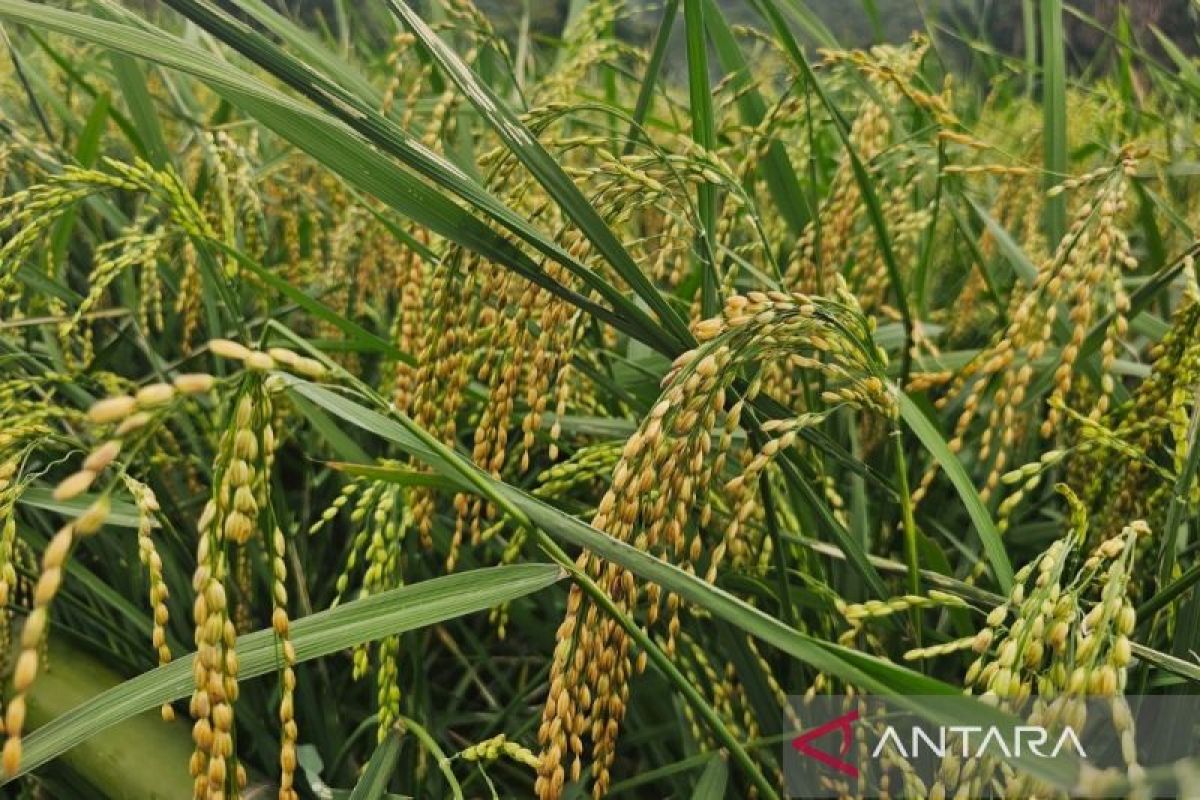
From the border, Natuna is proving that limitations are not the end of hope for food self-sufficiency. A vast expanse of blue sea is a more dominant sight than land in Natuna Regency, Riau Islands Province, as approximately 98 per cent of the region is water. Limited land and a small number of farmers mean the space to develop the agricultural sector is not as extensive as in other regions. However, the local government does not use these limitations as an excuse to give up. The Natuna Regency Government continues to strive to realise the national food self-sufficiency programme, particularly for rice. Together with farmers who persist in cultivating the fields, the local government is seeking ways to ensure every available inch of land yields maximum results. One of the efforts is encouraging farmers to optimise the same land repeatedly by increasing the planting index or extending the planting season. Farmers are directed to plant rice up to two or even three times a year on the same plot, so that dry grain production can increase despite the limited agricultural land in Natuna. This strategy is considered feasible because rice is a food crop with a relatively short growing cycle of about three months until it is ready for harvest. After harvesting, the grains undergo drying and milling to separate the husks, turning them into rice ready for consumption. With a fast planting cycle, farmers have the opportunity to increase the frequency of harvests in a year, thereby maximising land productivity without needing to open new agricultural areas. This effort goes beyond mere encouragement. The local government is working to reduce farmers’ production costs while preventing crop failures. Various forms of support are provided, ranging from agricultural machinery to production inputs. Through the provision of agricultural machinery, the Natuna Government is offering support in the form of a Groundwater Irrigation System and Pumped Irrigation Systems. This infrastructure is crucial for farmers, especially to ensure rice plants receive an adequate water supply during the dry season. Meanwhile, production input assistance is provided in the form of rice seeds, free fertiliser, and subsidised fertiliser. This aid comes from the state and regional budgets as a stimulus for production needs. In the first semester of 2026, subsidised fertiliser was again distributed to 733 farmers who are members of active farmer groups. The total fertiliser distributed reached 188.53 tonnes, consisting of NPK, urea, and organic fertilisers. Five Pumped Irrigation System units are also currently under construction, with three of them being built on Serasan Island, one of Indonesia’s outermost islands.