
Exports Strengthen, Downstreaming Becomes Economic Pillar
Indonesia’s export performance is showing signs of strengthening amidst global uncertainty. However, rising inflation, the weakening of the rupiah, and a narrowing trade surplus are signals that require immediate responses from the government and monetary authorities.
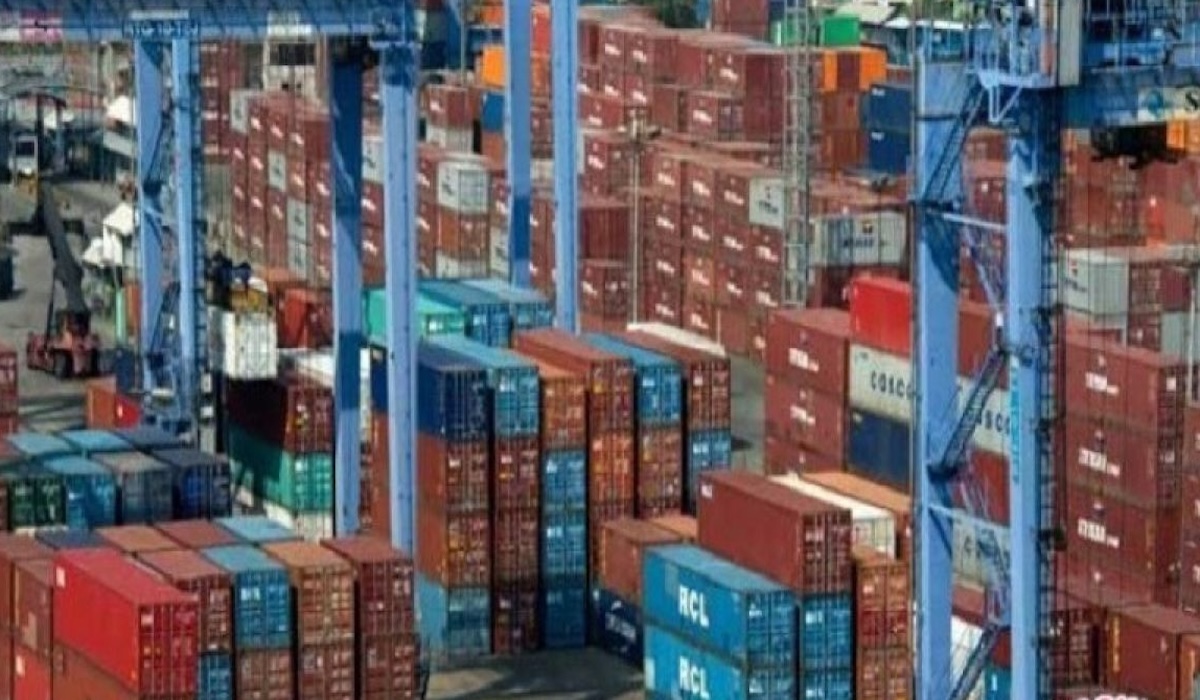
Statistics Indonesia (BPS) recorded that Indonesia’s export value from January to April 2026 reached US$92.15 billion, a year-on-year increase of 5.48%. In April alone, exports surged by 21.98% compared to the same period the previous year. This increase was primarily supported by the processing industry, which grew by 29.07%. Downstream products also recorded strong growth, including processed nickel exports to China, which rose by 73.6%, and crude palm oil (CPO), which increased by 20.4%.
The Prasasti Center for Policy Studies noted that this achievement demonstrates positive momentum in production, manufacturing, and downstreaming. However, the institution warned that this export momentum has not yet been fully accompanied by macroeconomic stability.
Halim Alamsyah, a member of the Board of Experts at Prasasti, stated that the export surge is commendable as it shows downstreaming is beginning to add value to the domestic economy. He added that the increase in exports has the potential to bolster foreign exchange reserves as the trade surplus begins to narrow.
“The acceleration of exports in April, which jumped by nearly 22%, and the increase in processed nickel exports to China by up to 73%, is news worth celebrating. This is evidence that downstreaming is capable of increasing domestic value-add, and we hope it will also increase foreign exchange supplies precisely when our trade surplus is thinning,” said Halim.
Halim also noted that the formation of PT Danantara Sumberdaya Indonesia could be a strategic step to encourage exports and strengthen national foreign exchange. However, he emphasised the need for swift and targeted follow-up measures to ensure the economic improvement momentum is not lost.
On the other hand, inflation has become a concern again. BPS recorded that inflation in May 2026 rose to 3.08% annually, up from 2.42% in April, breaching the 3% level once more. According to Halim, the rising inflationary pressure is influenced not only by supply disruptions and volatile food components but also by the depreciation of the rupiah. This condition, he said, limits the policy space available to drive economic growth.
“The government’s strategy to continue driving economic activity will be tested by the market, alongside the ability of the government and Bank Indonesia to maintain the stability of the rupiah and inflation,” said Halim. He added that economic actors require clarity in policy direction, targeted incentives, and consistent implementation.
Piter Abdullah, Policy and Program Director at Prasasti, observed that the current rise in inflation does not yet reflect an overheating economy. He argued that price pressures stem largely from volatile food commodities such as red chillies, tomatoes, and shallots.
“If we analyse it, our inflation drivers are volatile foods like red chillies, tomatoes, and shallots. These are seasonal in nature, related to supply and weather, rather than a surge in domestic demand. Our core inflation remains low,” said Piter. BPS data shows that red chillies rose by 25.64%, tomatoes by 9.82%, and shallots by 6.65%. Piter also noted that the government’s decision to maintain subsidies on fuel has helped mitigate price pressures.
Regarding trade, imports of raw and supporting materials rose by 24.56% year-on-year in April. Piter believes this increase should not be immediately interpreted as negative pressure on the trade balance. He suggested that the rise in imports of raw materials and capital goods could signal that production activity is moving forward.
“If what is rising are raw materials and capital goods, that is actually good news. Raw materials and machinery are imported because entrepreneurs are preparing for production, and they are producing because they anticipate future demand,” said Piter.
Nevertheless, Piter warned that the weakening of the rupiah needs to be handled carefully, as it is influenced by more than just fundamental factors. He assessed that psychological elements and speculation are deepening the pressure on the domestic currency.
Prasasti concluded that the latest BPS economic releases show Indonesia’s economy remains relatively strong, particularly in terms of exports and downstreaming. However, rising inflation, a shrinking trade surplus, a widening oil and gas deficit, and pressure on the rupiah remain significant challenges that cannot be ignored. Moving forward, policy consistency and the coordination of fiscal and monetary measures will be key to ensuring that export improvements strengthen confidence in the national economic direction.