
Exploring the Dynamics of Waste Banks and TPS3R in Makassar City
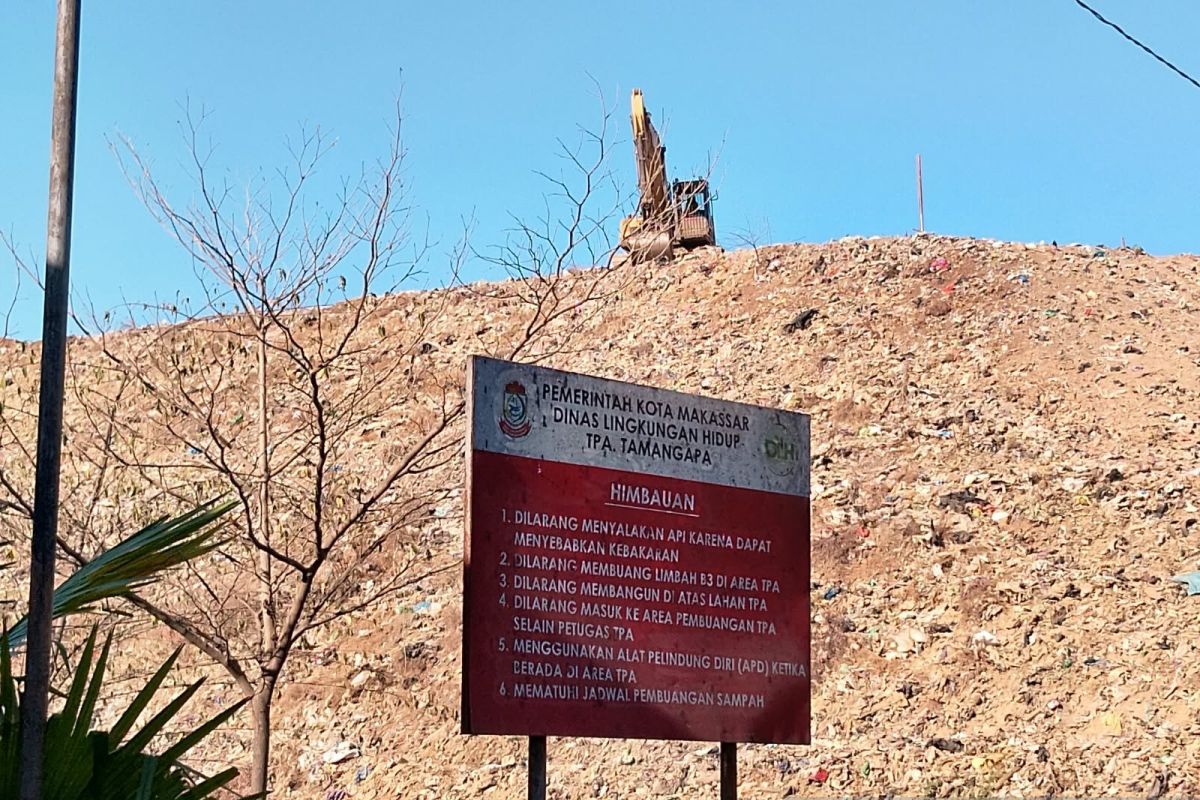
Makassar — For some, waste may simply be something to be discarded immediately; however, in various corners of Makassar City, plastic bottles, cardboard, paper, and used packaging are viewed as items that still hold value.
In the hands of residents and waste bank managers, these items, which were previously considered useless, can be transformed into rupiah, rice, or even gold.
This shift in perspective did not happen overnight. In Ballaparting, Rappocini District, for instance, efforts to build community awareness regarding waste began in 2009. Two years later, the first waste bank unit (BSU) was established in 2011.
Saharuddin Ridwan, a waste bank activist with a background in journalism, is one of the figures who helped drive this change within a community where most residents are in the pre-prosperous economic bracket.
Residents who were previously indifferent to waste have gradually begun collecting inorganic waste to exchange for money or rice. Every transaction is recorded in a waste bank ledger, ensuring that waste that previously ended up as refuse now possesses economic value.
From nine waste bank units operating in 2011, the number grew to 43 units the following year. The “waste for rice” programme particularly helped attract community interest.
This growth has continued steadily. Data from the Makassar City Central Waste Bank UPT recorded that active waste banks reached 91 units during 2021-2022, increasing to 316 units in 2023 and 348 units in 2024. Data from the Makassar Environmental Agency subsequently noted that the number of waste bank units is projected to reach 433 units by 2025 and increase to 670 units by mid-2026, spread across 15 districts.
This expansion demonstrates that waste management is moving beyond mere environmental activity to become a component of the community’s economic activity.
In the Tallo District, for example, waste brought from 15 sub-districts is not immediately discarded. Plastic, paper, cardboard, and other materials are first sorted by type.
This system forms a management chain that connects residents, as waste producers, with parties that repurpose these materials. Waste is collected through waste bank units at the sub-district level, then moves to sectoral waste banks at the district level and central waste banks before being passed on to vendors or managing partners.
At the Tallo Waste Bank (BSS), for instance, 322 members now possess more than just waste savings books; they can also monitor their savings and waste prices digitally.
Prices depend on the quality of the sorting. Plastic bottles that have been cleaned of labels and separated from their caps can be valued at Rp17,000 per kilogram, whereas mixed plastic bottles are worth only about Rp5,000 per kilogram. This means that the better residents sort their waste, the higher the economic value they can achieve.
Source: jawawa.id (https://jawawa.id/newsitem/exploring-the-dynamics-of-waste-banks-and-tps3r-in-makassar-city-1791255481)
Originally published by Antara (Indonesian) (https://www.antaranews.com/berita/5772776/menelusuri-dinamika-bank-sampah-dan-tps3r-di-kota-makassar), translated from Indonesian