
Exploring the Business Opportunities of Preloved Goods
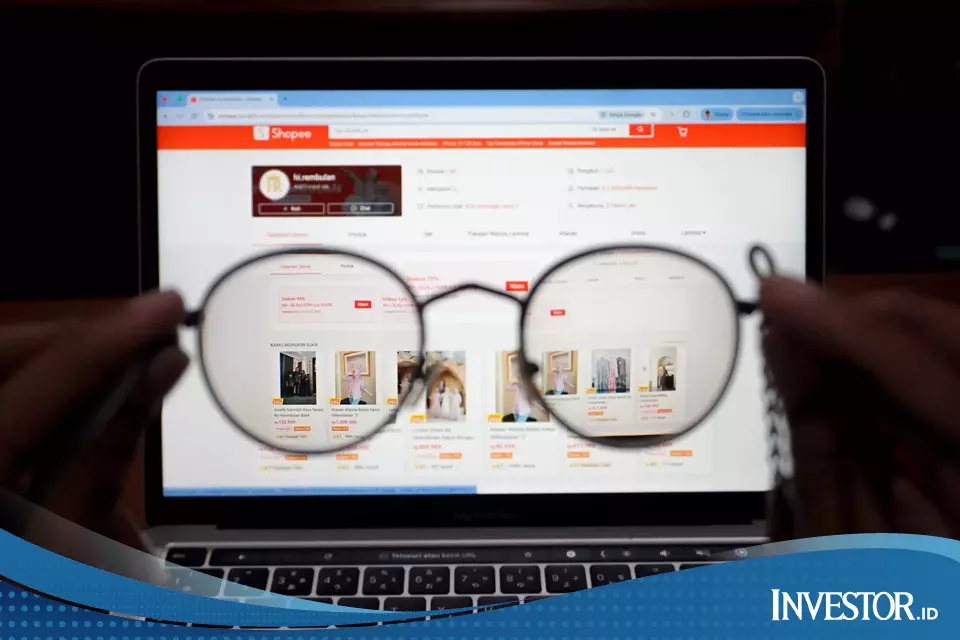
For some young people, second-hand clothing is no longer just unused items. Through social media and digital platforms, preloved clothing can regain value, serving as both a fashion choice and a business opportunity. This phenomenon has brought thrifting closer to the daily lives of Generation Z, influencing their daily outfits (OOTD).
Digital technology advancements have changed how people conduct buying and selling. Previously, second-hand clothing was primarily found in markets or physical stores; now, preloved products can be marketed via social media and digital platforms. For Generation Z, this provides ease and space to find clothing styles that differ from new products on the market. Vintage items, branded goods, and specific styles can be re-marketed as long as they remain wearable and possess market demand.
From Wardrobes to Business Opportunities
Clothing no longer used by its owner can become valuable to others. This is what allows the preloved business to have the potential to grow. Items previously stored neatly in a wardrobe can be photographed, marketed, and resold through digital platforms.
This opportunity can be seen within the ecosystem of Micro, Small, and Medium Enterprises (MSMEs), which play a major role in the Indonesian economy. The Coordinating Ministry for Economic Affairs, based on data from the Ministry of Cooperatives and SMEs, notes that Indonesia has approximately 65.5 million MSMEs. This figure accounts for about 99% of all business units, contributes around 61% to the Gross Domestic Product (GDP), and absorbs about 97% of the workforce.
While these figures are not specific to the thrift business, the large number of MSMEs indicates that trading activities in this segment hold an important position in the national economy. The government also continues to encourage MSMEs to enter the digital ecosystem. Digitalisation can help entrepreneurs expand their markets, including through e-commerce and social media. With relatively flexible capital, the preloved business is one form of enterprise that can be operated online.
More Than Just Second-Hand Goods
Although often associated with cheap goods, the value of preloved clothing cannot be determined solely by its original price. Brand, condition, model, rarity, and consumer demand can all influence the resale price. Therefore, the term “investment” in the online thrift trend is more accurately understood as an investment in business opportunities and the value of an item, rather than a financial investment. An individual can buy clothing for personal use and then resell it when it is no longer used, provided it still holds market value. However, not all second-hand clothing automatically generates profit; sellers must understand the condition of the goods and assess whether there is demand for the product.
Imported Second-Hand Clothing Faces Different Regulations
Amidst the growing thrift business, the government also regulates the distribution of second-hand clothing originating from abroad. This is crucial because the buying and selling of second-hand clothing is distinct from the activity of importing second-hand clothing.
Based on the Minister of Trade Regulation Number 47 of 2025 regarding Goods Prohibited from Import, second-hand clothing under HS code 6309.00.00 is classified as a prohibited import item. Supervision of imported second-hand clothing is ongoing. In 2025, the Ministry of Trade reported finding 19,391 bales of second-hand clothing in Bandung, valued at approximately IDR 112.35 billion.
Minister of Trade Budi Santoso stated, “Moving forward, supervision will not only target second-hand clothing but also various other illegal products entering through post-border mechanisms.” This statement indicates that the government remains committed to monitoring the distribution of other illegal goods entering the Indonesian market.
From Preloved to Economic Value
The development of online thrifting demonstrates how unused items can gain a second life. With the help of digital technology, second-hand clothing can move from one person’s wardrobe to another consumer, regaining economic value. For Generation Z, preloved clothing is not only a part of their fashion style but also an opportunity to engage in digital commerce. Ultimately, “investment” in the context of thrifting is best viewed as an opportunity to build a business and maintain the value of goods. Nevertheless, understanding applicable regulations remains a vital part of running a preloved business digitally.
Source: jawawa.id (https://jawawa.id/newsitem/exploring-the-business-opportunities-of-preloved-goods-1790697077)
Originally published by investor.id (https://investor.id/money-lab/456006/mengintip-peluang-usaha-preloved), translated from Indonesian