
Exploring Buya Hamka’s Journey in ‘Hamka: Awal Mula (Vol. 3)’
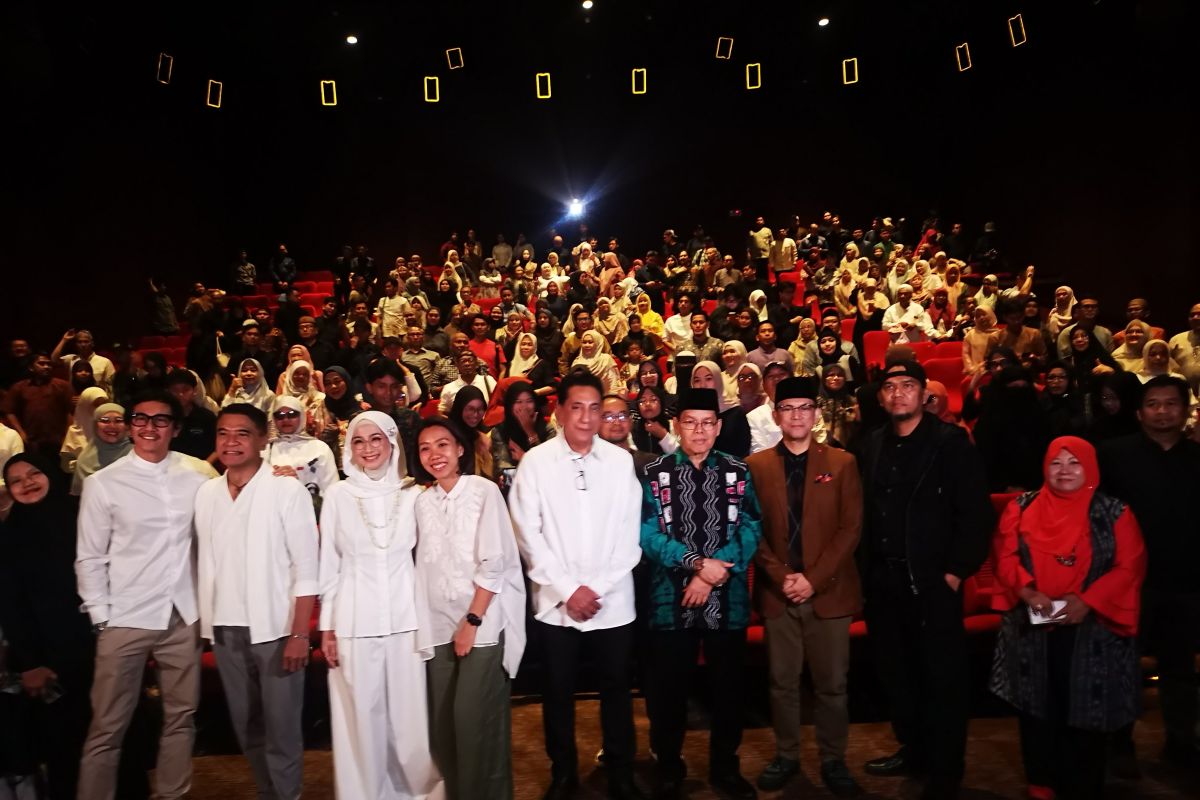
The release of Hamka: Awal Mula (Vol. 3) in cinemas offers younger audiences a valuable opportunity to explore another side of the life of the national hero. His story is not only an inspiring one.
Jakarta (ANTARA) – Director Fajar Bustomi’s film Hamka: Awal Mula (Vol. 3) focuses on how Buya Hamka’s moral character took shape during his youth.
The film invites audiences to follow the life of Haji Abdul Malik Karim Amrullah, known as Hamka, before he became one of the country’s leading Islamic scholars.
Bustomi depicts the scholar, writer and national hero from his youth. Hamka’s character is shaped by family dynamics, differences in intellectual outlook with his father, and the challenges of his era, which continually test his commitment to his principles.
The film’s emotional tone is apparent from the outset. Young Malik (Rey Bong) is raised under the strict discipline of his father, Haji Abdul Karim Amrullah, also known as Haji Rasul (Donny Damara).
Haji Rasul raises his son with great discipline in the hope that he will eventually become a religious leader like himself. Malik, however, is more interested in literature, public speaking and a range of general reading. This clash with his father creates an engaging dynamic and makes it easier for audiences to empathise with Malik’s youthful struggle to find his identity.
His father’s religious standing does not make Malik’s response a rigid act of rebellion. The film deftly explores how he continues to respect his parent despite their sharp differences in principle.
His resistance is expressed in small acts, such as secretly going to the cinema to watch films instead of attending religious lessons at the local prayer house, as well as in the major decision to leave his home in West Sumatra as a young adult, played by Vino G Bastian.
His father’s anger cannot deter Malik’s determination to rebel. Yet it is through this defiance that Malik encounters the national movement and important figures of his time.
His journey away from home tests his resilience and significantly broadens his religious and social horizons, without ever leading him to abandon the noble values instilled by his family in childhood.