
Experts Urge Twin Earthquake Mitigation Based on Venezuela Experience
The events in Venezuela serve as a reminder that the earthquake doublet scenario cannot be ignored in disaster mitigation studies.
The Sulawesi Earthquake Study Centre (PSGS) suggests that the Indonesian Government needs to learn from the twin earthquake events that occurred in Venezuela on 24 June 2024, by strengthening disaster mitigation and anticipation, rather than focusing solely on post-earthquake handling.
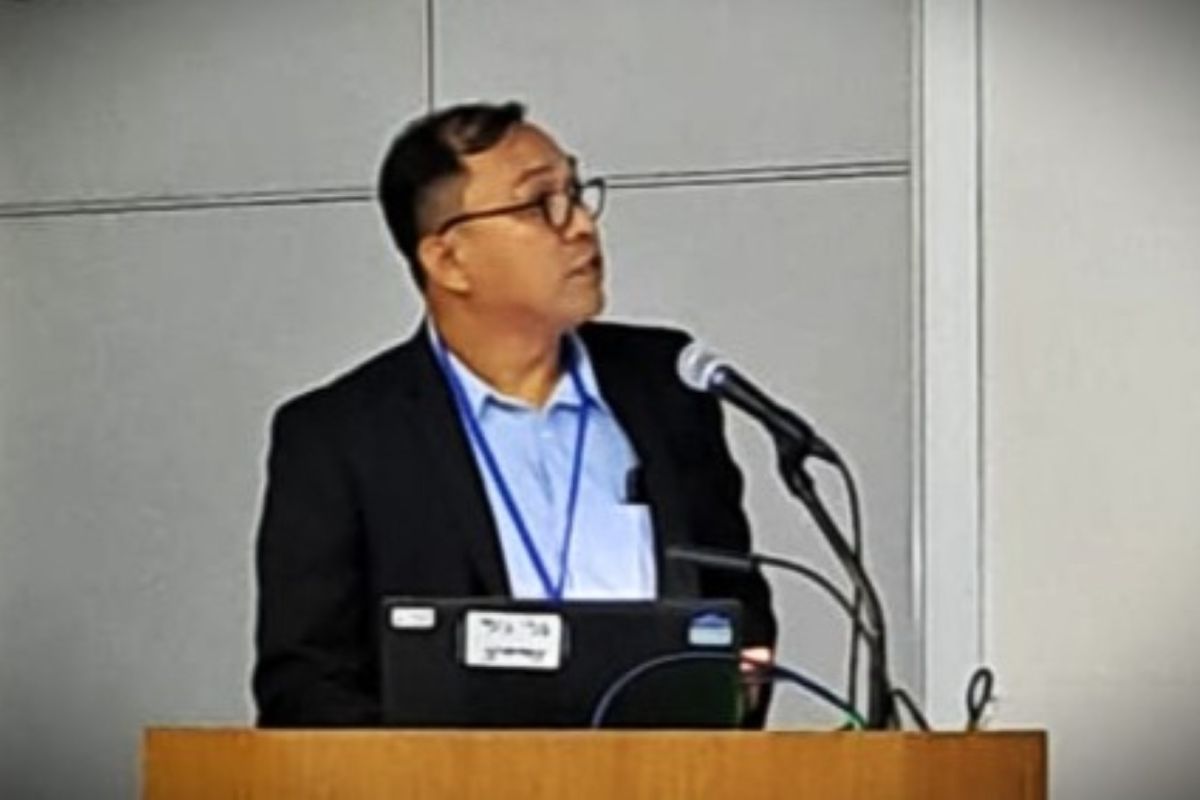
“The Venezuela event serves as a reminder that the earthquake doublet scenario cannot be ignored in disaster mitigation studies,” stated the Director of PSGS, Dr Ardy Arsad, in Makassar, South Sulawesi, on Thursday.
According to him, large earthquakes occurring almost simultaneously is a phenomenon very rarely encountered in seismological history. In Venezuela, a magnitude 7.2 Mw earthquake was followed by a 7.5 Mw earthquake just 30ad39 seconds later on the same day.
Observing this phenomenon, he noted that Indonesia also exists within a highly active tectonic environment, with earthquake sources originating from subduction zones, active strike-slip faults, and segmented fault systems spread across various regions, such as the aftermath of the earthquake in Palu, Central Sulawesi.
“This is because several active fault systems in Indonesia, such as the Palu-Koro Fault, the Sumatra Fault, and the Sunda subduction zone, possess segmented fault rupture characteristics that have the potential to produce sequential energy releases,” he explained.
Furthermore, research in recent years shows that large earthquake ruptures do not always stop at a single segment but can propagate to other segments (multi-segment rupture), resulting in longer shaking durations and more widespread damage.
This phenomenon opens new avenues for research regarding building behaviour against multiple strong ground motions, particularly in areas near the earthquake source.
He added that the implications for earthquake resistance regulations in Indonesia also require attention. SNI 1726:2019 was essentially developed based on the representation of a single design earthquake.
While that approach has provided a good level of safety for most conditions, the earthquake doublet phenomenon demonstrates the existence of extreme loading scenarios that have not yet been extensively evaluated.
Therefore, further research is required to determine whether two episodes of strong shaking occurring in succession can increase cumulative damage to structures.
“As well as how it affects critical buildings, such as hospitals, bridges, dams, power plants, ports, and other vital facilities,” Ardi concluded.