
Experts suggest E10 biofuel policy could be implemented by 2027
An energy expert from the University of Indonesia (UI), Ali Ahmudi Achyak, believes that the E10 policy—which involves blending 10 per cent ethanol into petrol—could be implemented by 2027 as an initial step towards the implementation of E50.
“While E10 cannot be implemented in 2026, it can be applied in 2027. This is because we already have E5, which contains 5 per cent ethanol,” Ali stated when contacted in Jakarta on Monday.
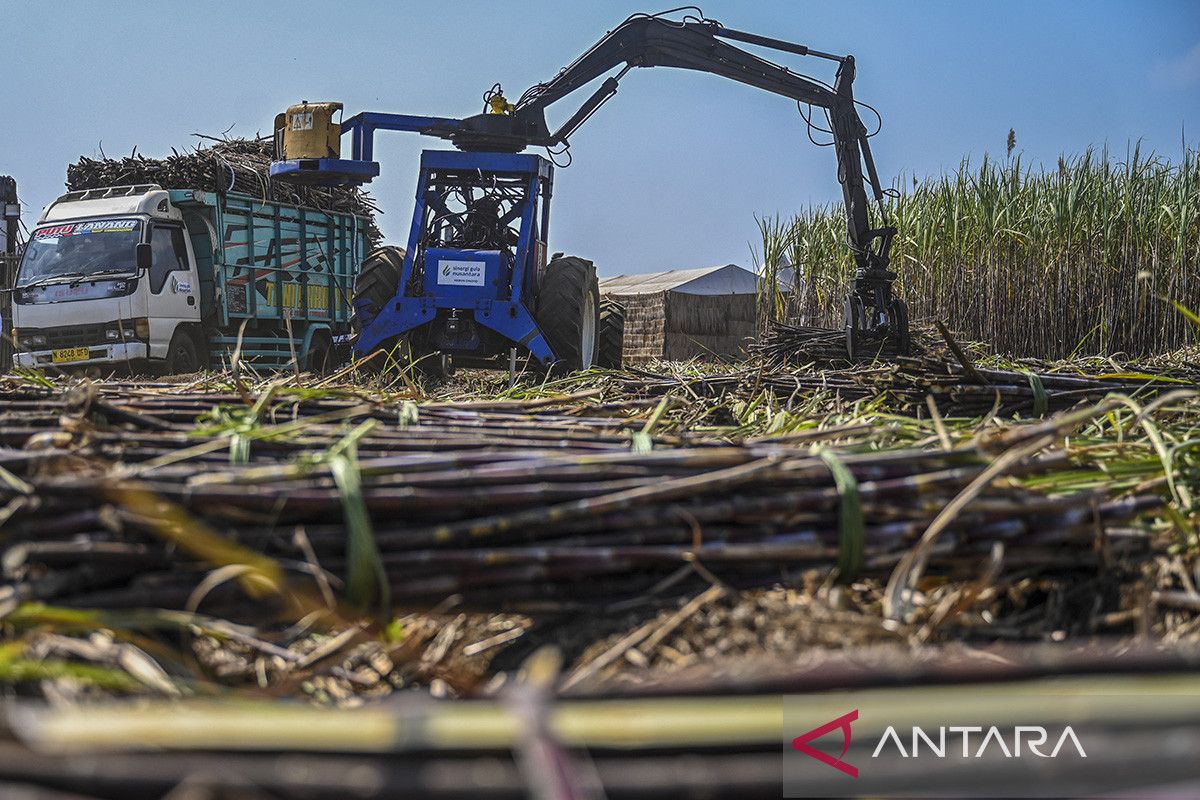
Ali noted that increasing the ethanol content in fuel can be achieved by boosting the production of raw materials such as sugarcane, cassava, and maize.
The government’s ambition to develop E50 is based on the success of Indonesia’s development of B50 biodiesel. However, unlike biodiesel which utilises palm oil, bioethanol raw materials include sugarcane, cassava, and maize.
Ali emphasised that this difference requires careful consideration, as ethanol raw materials intersect with food security; for instance, sugarcane is also processed into sugar, and maize is used for animal feed production. Therefore, he argued that an ecosystem must be established to ensure that energy security and food security can coexist.
“The ecosystem must be prepared first, so that it does not disrupt food security,” Ali said.
He continued that once the government successfully implements E10 in 2027, it could then move to E20 in 2028 while simultaneously increasing the production of ethanol raw materials. From planting to harvesting, Ali estimates that sugarcane requires approximately nine months.
“So, E10 can be implemented in 2027, and then in 2028, we can add another 10 per cent. The hope is that the sugarcane, cassava, and maize will have been harvested,” he added.
Previously, the Minister of Energy and Mineral Resources, Bahlil Lahadalia, stated that Indonesia would not need to import fuel products if E50 bioethanol is implemented. Nevertheless, Bahlil expressed that the government does not want the ethanol requirements for the E50 programme to rely on imports from other countries.
According to Bahlil, having to import ethanol to meet E50 needs would be equivalent to being dependent on other nations. “We do not want to implement E10, E20, or E50 if the ethanol is imported from abroad. That would be the same thing. We want to utilise our domestic production,” he said, adding that the policy will be implemented gradually.