
Experts Revive Biblical Tree from Mysterious 1,000-Year-Old Seed
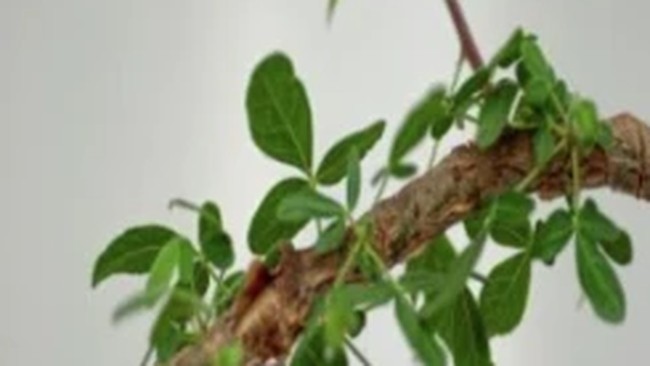
A mysterious tree has successfully grown from a seed estimated to be approximately 1,000 years old. The seed was discovered in a cave in the Judean Desert and was only planted decades after its initial discovery.
Researchers are currently studying the tree to uncover its origins and chemical composition. The plant is suspected to belong to a long-lost variety that may possess compounds useful for pharmaceutical development.
According to CNN International, archaeologists found the seed in the 1980s. Dr. Sarah Sallon, founder of the Louis L. Borick Centre for Natural Medicine Research in Jerusalem, subsequently formed a team to plant the seed and test its viability.
To the researchers’ surprise, a small sprout appeared five weeks later. From plant fragments, researchers confirmed that the seed was 1,000 years old. Remarkably, the tree has flourished and now reaches a height of 3 metres, although it has yet to flower or produce fruit.
Sallon stated there is a possibility that the tree is the source of ‘tsori’ mentioned in the Bible—a medicinal plant extract associated with the historic region of Gilead, north of the Dead Sea in the Jordan Rift Valley.
The findings were published by the team from the Louis L. Borick Centre for Natural Medicine Research at Hadassah University Medical Centre, Jerusalem, in the journal Communications Biology on 10 September 2024.
Based on historical research, Sallon suspected the tree might be a plant described in ancient texts from the region, including the Bible, or depicted as Judean Balsam. The fragrant resin harvested from such trees was highly sought after and exported globally during that era.
“We planted it in 2010 (and) now it is 2024. Why did we wait so long (to publish the research)? Because I wanted to ensure that it was not Judean Balsam. And how could I know for certain? By smelling it,” said Sallon.
However, the tree, which is closely related to the myrrh tree famous for its resin, has produced no aroma. After the plant reached approximately three years of age, the team conducted phytochemical analysis on the resin, leaves, and branches to test for aromatic compounds similar to those found in myrrh.
“Based on all of this, it is not Judean Balsam, but a close relative, and one of the non-aromatic Commiphora species which is a treasure trove of medicinal compounds,” she revealed.
Due to the presence of these healing compounds, Sallon and her colleagues concluded that the tree may be the source of the medicinal balsam known as tsori.
Dr Louise Colville, senior research leader in seed biology and stress at the Royal Botanic Gardens, Kew, in London, noted that seeds with such extraordinary longevity are extremely rare. “What is surprising in this story is that there was only one seed and it had only one chance to germinate; it is incredible luck,” Colton remarked.