
Experts Reveal Facts Behind the Eye Colour Change Surgery Phenomenon
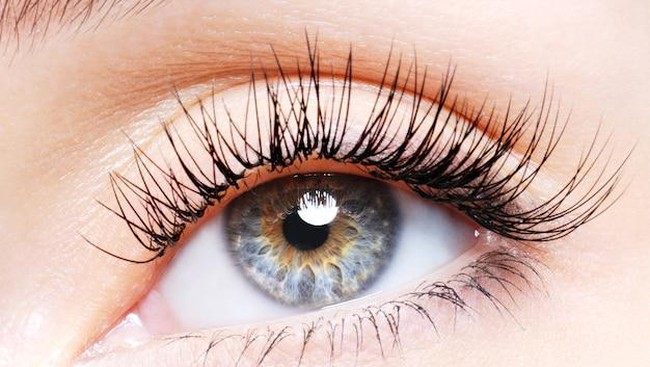
Ways to alter one’s appearance are becoming increasingly diverse. One trend gaining attention is the surgical procedure to permanently change eye colour. The technique, known as Femtosecond Laser-Assisted Annular Keratopigmentation or FLAAK, claims to be able to change the iris colour to blue, gold, green, or other desired colours.
However, behind the offered aesthetic results, eye health experts are issuing stern warnings regarding the long-term risks.
The FLAAK technique was developed more than a decade ago by a French ophthalmologist named Francis Ferrari. He began offering this procedure commercially in 2019.
The process begins with the administration of anaesthesia to the eyeball. Subsequently, a femtosecond laser is used to create small channels in the cornea. These channels are then widened and filled with special pigment using a custom-designed surgical tool. This pigment covers the original colour of the iris, creating a new eye colour appearance.
Although claimed to be safe by its inventor, this procedure has not received official approval from US health regulatory agencies. The United States Food and Drug Administration (FDA) has not approved its use for cosmetic purposes. Meanwhile, the American Academy of Ophthalmology (AAO) has issued two official warnings regarding the safety of this technique.
Amita Vadada, an ophthalmologist and clinical spokesperson for the AAO, expressed primary concerns. To date, there is insufficient long-term research data to ensure the impact of the procedure and the pigments used on eye health. The eye is an immunologically highly sensitive organ; even mild inflammation can cause serious effects.
“Unlike other parts of the body, mild inflammation in the eye can cause scar tissue, pain, and excessive sensitivity to light. This procedure has the potential to alter the basic functions of the eye that should operate naturally,” said Vadada, as quoted from reports by the New York Times and Futurism.
This process is also frequently referred to as corneal tattooing. The cornea itself serves as the primary protective layer and the outermost lens of the eye. Any intervention in this area risks damaging the natural structure that maintains visual quality. Potential complications include infection, pigment displacement, tissue swelling, and a permanent decline in visual acuity.
Developers argue that this technique is safe and comparable to LASIK procedures. Ferrari mentioned that some patients feel psychologically pressured by their natural eye colour.
Nevertheless, the medical community continues to emphasise the principle of caution. Without proven long-term safety evidence, the risk of vision damage is considered greater than the aesthetic benefits gained.
In Indonesia, similar procedures also do not yet have official permits for cosmetic use. The government and health agencies advise the public to remain vigilant against trends offering permanent physical changes through surgery. As a safer alternative, experts suggest using registered, health-standard-compliant coloured contact lenses. This method provides a temporary appearance option without permanently altering the natural structure of the eye.