
Experts Discuss Cancer Developments at BOSS 2026, SWICC Launches Free Screening Programme
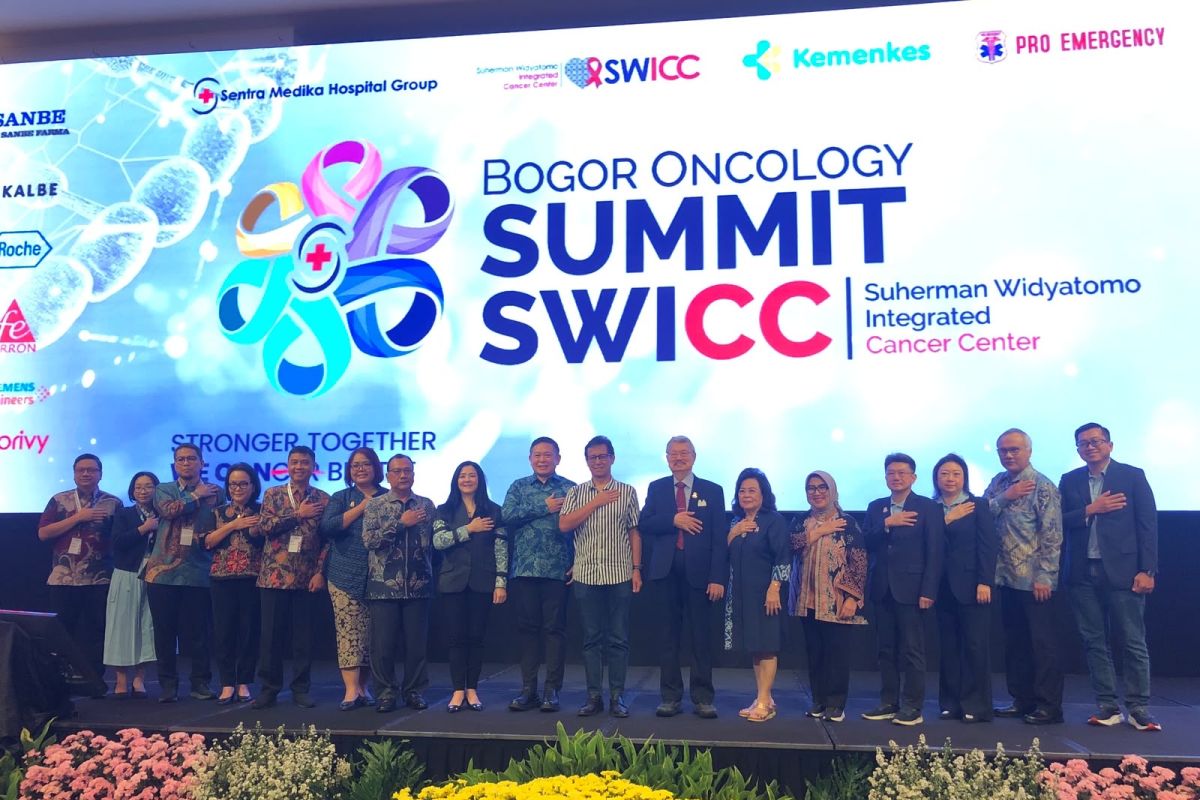
A number of national oncology experts discussed the development of various cancers and their treatments at the Bogor Oncology Summit SWICC (BOSS) 2026. The forum addressed breast, lung, cervical, colorectal, and leukaemia cancers, held in conjunction with the commemoration of the Suherman Widyatomo Integrated Cancer Center (SWICC). Eddy Suharso, President Director of Sentra Medika Hospital Group, stated that the presence of SWICC in Jakarta’s buffer zone is a strategic step to meet the community’s need for comprehensive oncology services. “We are promoting a One Stop Cancer Care concept so that patients can receive services ranging from education, early detection, and diagnosis to therapy within one integrated system,” Eddy said. Dr. Ronaningtyas Maharani, Chair of the BOSS 2026 committee, noted that based on 2024 Global Cancer Observatory data, the number of cancer sufferers in Indonesia has reached more than 1.13 million cases, with 474,000 new cases and over 283,000 deaths. “This condition shows the need to increase public awareness regarding cancer prevention and early detection,” she stated. She described BOSS 2026 as a national oncology scientific forum that highlights the strengthening of integrated cancer service access. More than 30 experienced oncologists participated in the symposium, including speakers from Bali and Bandung. Ronaningtyas added that the activity not only serves as a knowledge-sharing forum but also strengthens networks among medical professionals. SWICC is also running a free cancer screening programme for 500 people, covering breast, cervical, liver, colorectal, and prostate cancers, to expand access to early detection. The programme aims to improve public literacy on the importance of cancer prevention and early detection. Available services include diagnostic examinations such as CT scans, MRI, mammography, and genetic-based testing, as well as therapies including surgical oncology, chemotherapy, radiotherapy, immunotherapy, and targeted therapy. Ronaningtyas explained that a multidisciplinary approach is applied in every patient’s care, allowing therapy plans to be tailored to the type of cancer, stage, and individual clinical condition. The organisers are targeting the strengthening of cancer service networks and increased public awareness so that early detection can be carried out more widely. “This step is expected to reduce the number of advanced-stage cancer cases and improve patient life expectancy,” Ronaningtyas concluded.