
Experts believe the spirit of the Asian-African Conference remains alive, but stumbles on implementation
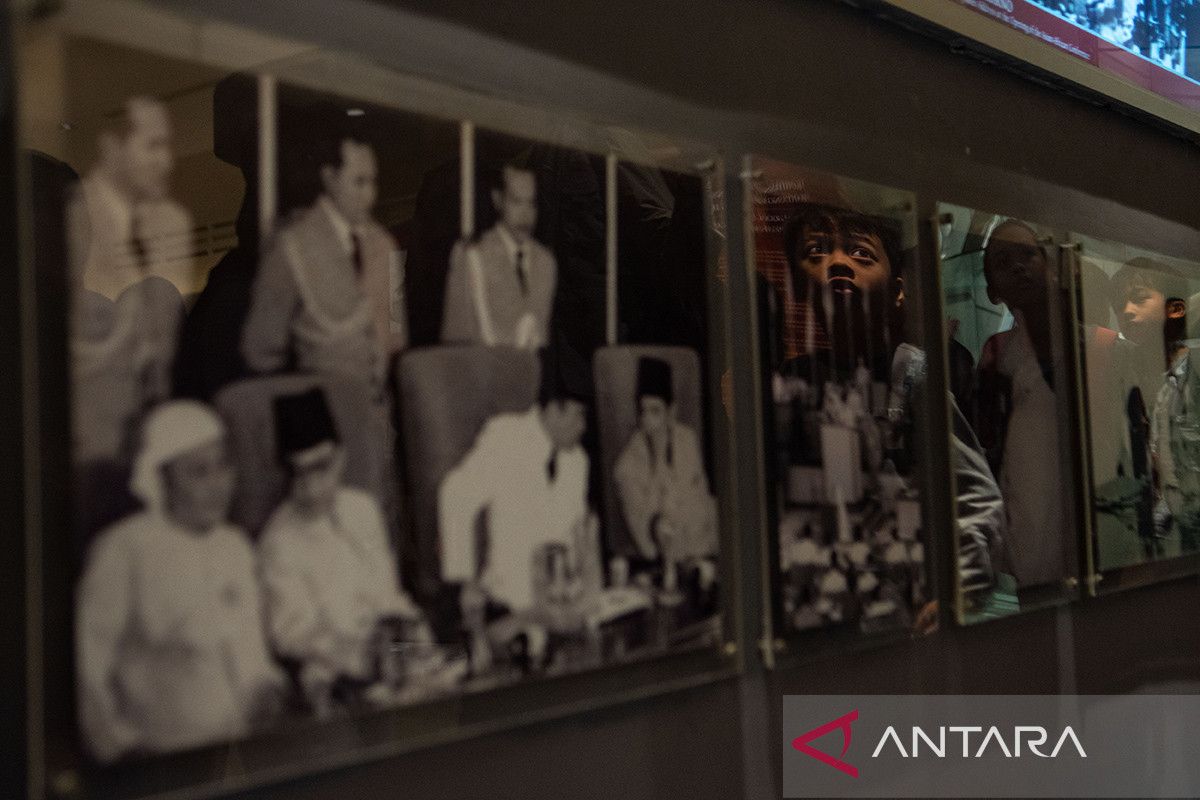
Jakarta (ANTARA) - International relations expert Emir Chairullah believes the spirit of the Asian-African Conference (KAA) remains relevant to this day, although its implementation is often hindered by elite interests and regime policy directions amid global political dynamics.
“The spirit is still there, in my opinion it hasn’t disappeared. It’s not just symbolic either. The problem is implementation. Implementation depends on the leadership or the regime in power,” said Emir when contacted by ANTARA in Jakarta on Saturday, when asked about the relevance of the 71-year-old KAA.
The University of Indonesia lecturer explained that the Dasasila Bandung formulated at that conference remains an important reference, including in upholding human rights and state sovereignty. Those principles emerged from the 1955 KAA in Bandung and form the basis for cooperation and peace between nations to this day.
He emphasised that no citizens want to be colonised or lose their resources, and everyone desires a more decent and equal life. However, political reality shows that implementing those principles often clashes with each country’s national interests, even with domestic elite interests.
According to Emir, inter-state conflicts are not merely the will of the people, but the result of elite interests and global power struggles. He cited the Iran-Iraq war, which cannot be seen as a purely popular conflict, but involves other actors behind the war.
“What then clashes are the interests of each country’s leaders. Each country’s leaders, some of whom may align themselves with the Global North, perhaps because they gain financial benefits, then disregard their citizens,” he said.
This situation, he continued, gives rise to new patterns in global polarisation that resemble modern colonialism, particularly in the form of natural resource exploitation.
Emir also cited the arrest of Venezuelan President Nicolas Maduro by the United States, which he links to oil resource interests, as well as the US-Israel conflict with Iran, which he views as related to control over uranium reserves.
As one of the initiators of the KAA, Indonesia is seen to have the opportunity to revive the spirit of solidarity among developing countries.
“Actually, the opportunity is there, always there because after all Indonesia is the initiator. Including the initiator in freeing from what is called colonialism,” he said.
Nevertheless, Emir cautioned that Indonesia’s current diplomatic steps still need balance. Closeness to major countries is seen as part of strategy, but it would be stronger if accompanied by efforts to strengthen Asian-African solidarity, in line with the KAA spirit.
The Asian-African Conference itself was held in Bandung, West Java, from 18–24 April 1955 and attended by 29 countries from Asia and Africa, most of which had recently gained independence or were struggling to break free from colonialism.
One of the important outcomes of the KAA was the birth of shared principles known as the Dasasila Bandung. Its contents include respect for state sovereignty, non-interference in domestic affairs, peaceful conflict resolution, and the enforcement of human rights.