
Experts Analyse Why the Houthis Are Now Attacking Saudi Airports
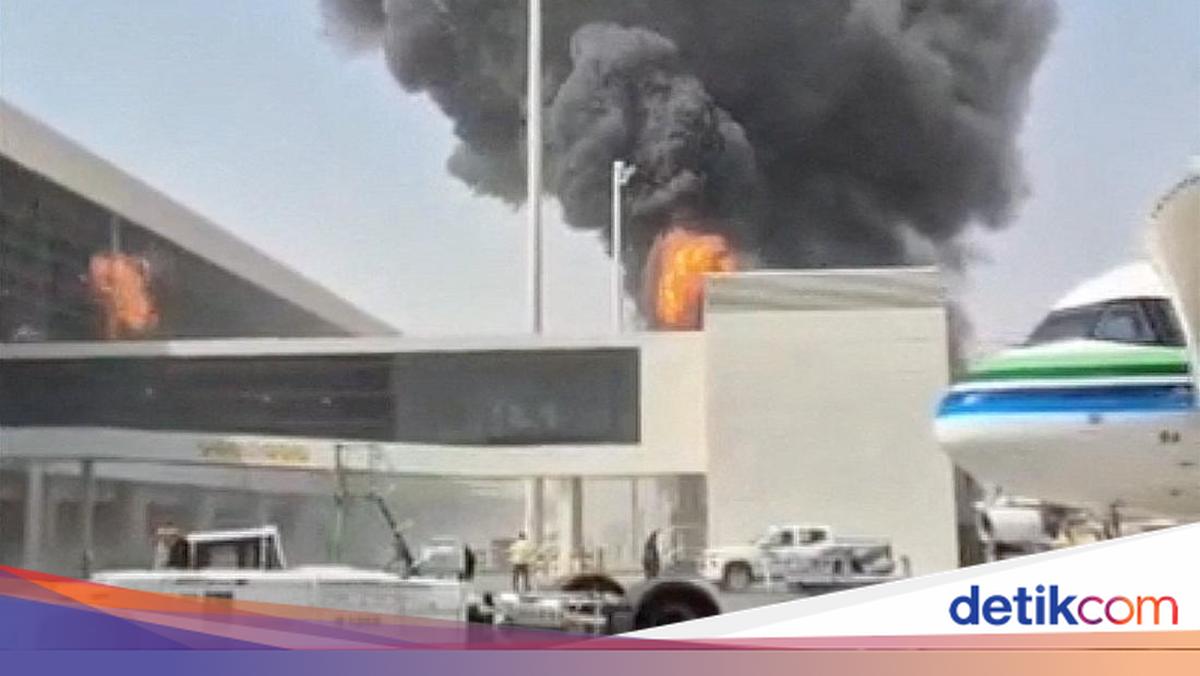
Yemen’s Houthi group has launched attacks on airports in Saudi Arabia, killing more than a dozen people. Although the group has been at war for years, why is it now stepping up attacks on Saudi airports?
Al Jazeera reported on Tuesday (13 October 2026) that the Houthis claimed responsibility for attacks targeting airports in Saudi Arabia. The strikes mark one of the most significant disruptions to Saudi civil aviation in recent years and the deadliest attacks on Saudi territory in more than a decade.
The conflict has intensified amid fighting between the Iran-aligned Houthis and Yemeni government forces backed by Saudi Arabia. The war has escalated further after a UN-mediated ceasefire in place since 2022 collapsed.
At least five airports in Saudi Arabia have been targeted by Houthi attacks. They are:
King Khalid International Airport, Riyadh
The airport in the Saudi capital has been attacked four times in the past five days. Saudi authorities reported one person killed and eight injured on 7 October.
On 8 October, an attack killed an airline pilot and two other Saudi nationals, and injured several more people. Another attack took place on Saturday (10 October), killing 13 people and injuring hundreds.
The Houthis attacked again on Sunday (11 October), killing one person and injuring dozens. CCTV footage showed the strike hitting Umrah pilgrims preparing to depart from Riyadh.
King Fahd International Airport, Dammam
The Houthis also claimed an attack on the airport in Dammam, an industrial port city on the Gulf coast, on Sunday (11 October).
Abha International Airport
On 7 October, two people were killed and 28 injured in an attack on facilities at the airport.
King Abdullah bin Abdulaziz International Airport, Jazan
On 6 October, Saudi authorities reported an attack on the airport in the country’s southern region that injured three people.
Najran Airport
That same day, Saudi authorities said Najran Airport had been hit, with minor injuries reported.
Have Saudi-backed Yemeni forces also attacked airports controlled by the Houthis?
Yes. Houthi-run media reported air strikes that it said were carried out by Saudi Arabia and targeted areas in the Houthi-controlled Yemeni capital, Sanaa. The reports said the strikes hit the Airport Road area in Sanaa’s al-Thawra district and Hamdan district. No information was provided about the impact of the attacks.
Saudi-backed Yemeni government forces also attacked Sanaa Airport on 13 July with at least five projectiles, as part of a series of air strikes. Three of them reportedly hit the only runway still in operation directly.
The Houthis have controlled Sanaa and parts of north-western Yemen since 2014. Fierce fighting is under way around the cities of Mocha and Dhubab in the south, on the Red Sea coast, where the positions are strategically important for control of the Bab al-Mandeb Strait.
This vital shipping route has become an important alternative for maritime traffic after the Strait of Hormuz became a theatre of war between the United States and Iran. Iranian attacks, described as retaliation against the US, have raised costs and risks for oil tanker operators.
The Houthi attacks have left the skies over the Saudi capital, Riyadh, largely empty of air traffic. Saudi authorities have extended the suspension of operations at the country’s second-busiest airport, after Jeddah.
Airlines around the world have also cancelled all flights to Riyadh. The UK, France and Germany have warned their citizens to avoid the city.
The disruption comes as Saudi Arabia hosts two major conferences on energy and investment. Saudi authorities say international events will go ahead as scheduled and have assured participants that the country is safe.
The kingdom, which is preparing to host the 2034 FIFA World Cup, has long sought to promote itself as a safe destination for major events, global tourism and investment.
Experts analyse why the Houthis are attacking Saudi airports
Hisham al-Omeisy, a conflict analyst and adviser at the European Institute of Peace, predicted that the Houthis would step up their attacks to target oil pipelines and energy facilities. He also said the group continued to attack airports because of the strong public response to strikes on such targets.
“The Houthis have escalated on a massive scale; they have crossed that line. They have their own framework and calculations, and stopping at attacks on civilian airports is not part of those calculations,” al-Omeisy said.
He said the Houthis took a maximalist approach and believed they were seeking to put pressure on Saudi Arabia through the attacks.
“They are a group that takes a maximalist approach and will do whatever it takes to achieve its goals, including obtaining further concessions from the Saudis,” the analyst said.
The BBC reported that the Houthis said their actions were retaliation for what they called a Saudi blockade of ports and airports in areas under their control, as well as air strikes on Sanaa Airport that they accused Saudi Arabia of carrying out. The Yemeni government claimed responsibility for the airport attack, saying it was trying to prevent an unauthorised Iranian aircraft from landing.
The Guardian reported that the timing of the Houthi attacks was partly driven by opportunity, but also reflected wider dynamics in the Gulf conflict.
Saudi Arabia has been targeted by the Houthis because of its support for the UN-recognised Yemeni government. The group is said to have attacked oil infrastructure and airports in the Saudi capital because these facilities have become major symbols of Saudi Arabia’s international integration and economic future. The Houthis are seen as seeking to demonstrate the consequences of Riyadh’s choices.
Source: jawawa.id (https://jawawa.id/newsitem/experts-analyse-why-the-houthis-are-now-attacking-saudi-airports-1791870690)
Originally published by detikcom (https://news.detik.com/internasional/d-8704588/analisis-pakar-soal-kenapa-houthi-kini-serang-bandara-bandara-saudi), translated from Indonesian