
Expert: Wiretapping Must Meet Three Legal Tests
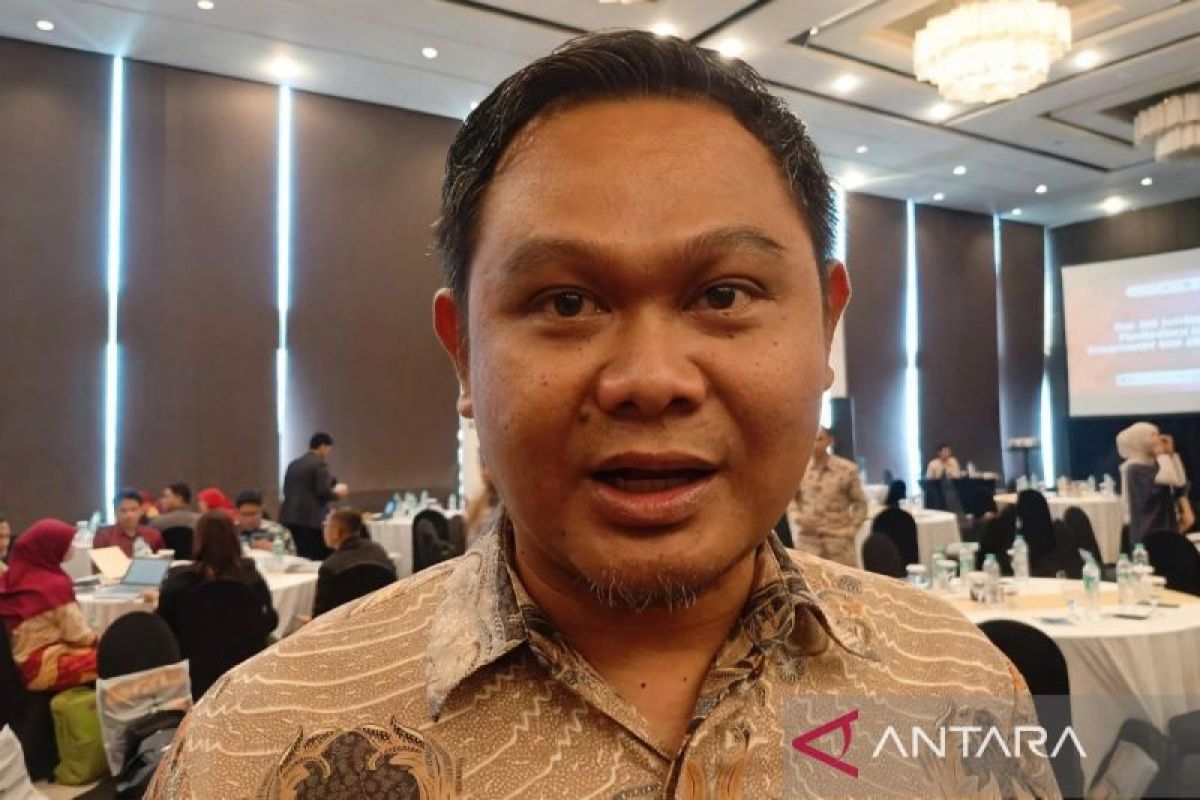
Purwokerto (ANTARA) – Tedi Sudrajat, an expert in administrative and civil service law at Jenderal Soedirman University (Unsoed) in Purwokerto, said law enforcement officers’ use of wiretapping equipment must meet three requirements to be lawful: authority, procedure and substance.
“From the perspective of authority, the police are empowered to conduct wiretapping provided they meet certain criteria related to law enforcement,” he said in Purwokerto, Banyumas regency, Central Java, on Wednesday. He was responding to an alleged illegal wiretapping case involving communications belonging to President Prabowo Subianto and three senior police officers.
On Tuesday (3 November), the National Police’s Criminal Investigation Department named three senior officers, identified by the initials LSP, ASN and EH, as suspects in alleged illegal wiretapping, electronic data deletion and unlawful access. The wiretapping was allegedly directed at the telephone numbers of the President, state officials, political figures, media organisations, community organisations and businesspeople during 2025–2026.
Tedi said the authority to conduct wiretapping is a special power whose use is strictly limited to law-enforcement purposes.
The second requirement concerns the procedure for using the Lawful Interception Management System (LIMS). It must be followed in stages, from administrative verification to obtaining authorisation from senior officials and written permission from a court.
The third requirement, he said, is that the use of wiretapping equipment must genuinely be connected to law-enforcement interests. If it is used for purposes outside that remit, the substantive requirement is not met.
On the basis of these three requirements, he said, exercising authority in a manner that violates the rules could constitute an abuse of power (detournement de pouvoir).
Such abuse could have consequences under two branches of law: administrative enforcement and criminal law.
As for the accountability of police personnel suspected of violations, he said the police have their own disciplinary rules and professional code of ethics. These include Government Regulation No. 2/2003 on Police Disciplinary Rules and National Police Regulation No. 7/2022 on the Professional Code of Ethics and the Police Ethics Commission.
Police officers found to have committed serious violations may be dishonourably discharged after a thorough examination by the Criminal Investigation Department and the Professional and Security Division (Propam), under the supervision of the Inspectorate General of Supervision (Irwasum), he said.
Tedi added that officers facing legal problems may first be removed from their posts to facilitate the investigation.
Source: jawawa.id (https://jawawa.id/newsitem/expert-wiretapping-must-meet-three-legal-tests-1793775269)
Originally published by Antara (Indonesian) (https://www.antaranews.com/berita/5830899/pakar-penyadapan-harus-penuhi-tiga-unsur), translated from Indonesian