
Expert warns non-conviction based asset forfeiture is prone to abuse
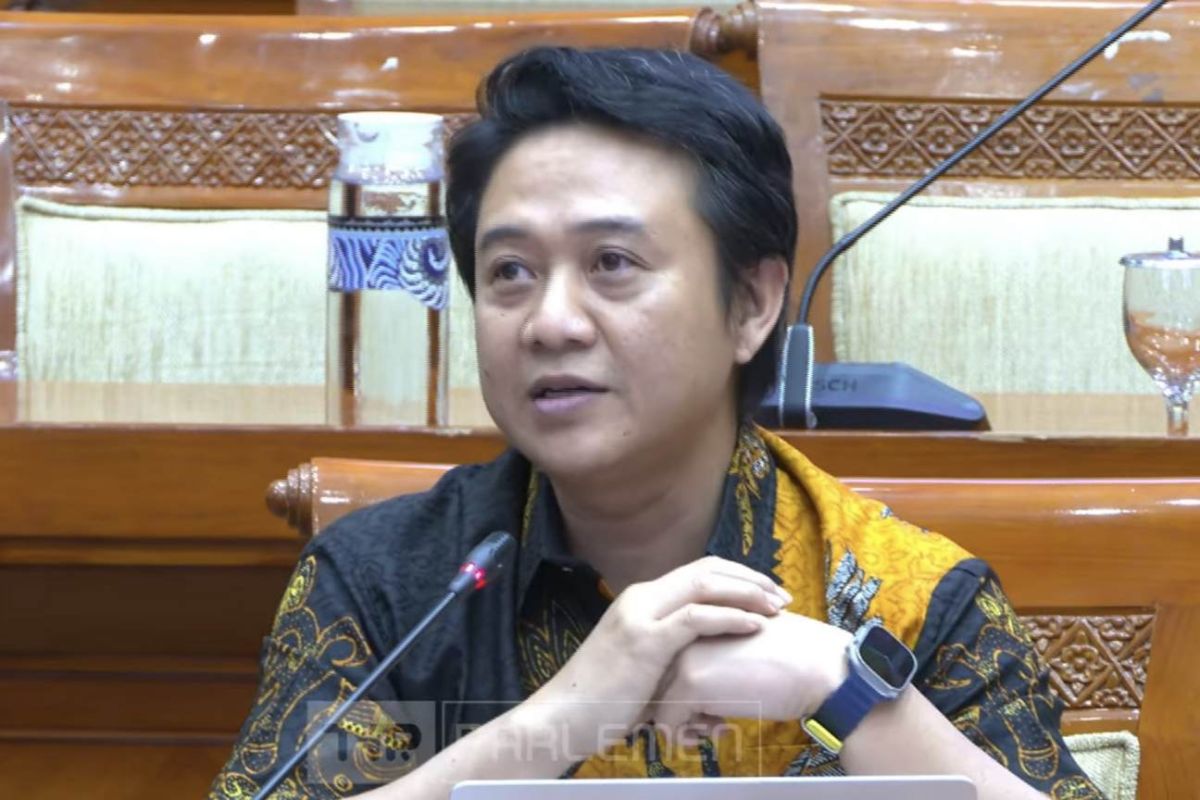
Legal expert from Airlangga University, Taufund Rachman, stated that non-conviction based asset forfeiture is a very powerful legal instrument, but its implementation is prone to abuse, especially if not accompanied by strict regulations and supervision.
Speaking in Jakarta on Monday, Taufik noted that while this mechanism serves as an instrument for state asset recovery, it also carries the risk of arbitrary use. This authority could potentially be exploited by certain officials as a tool for pressure, political intimidation, or as a negotiation instrument to force targets to comply with specific demands.
“When the state targets assets, it is essentially an unbalanced fight, where the state acts as the ruler possessing unlimited resources,” Taufik said during a meeting with Commission III of the Indonesian House of Representatives (DPR RI) regarding the Asset Forfeiture Bill at the parliamentary complex in Jakarta.
He added that the risk is even greater for members of the public or business actors who are economically or politically weak, as they possess limited resources to face the state’s authority. Furthermore, he expressed concern that applying the principle of forfeiture without a criminal conviction could create loopholes for those in power to arbitrarily target and neutralise the assets of others, including those they dislike.
Taufik also stated that the mechanism is vulnerable to violating property rights and the principle of due process of law. “There is a possibility that NCBF (Non-Conviction Based forfeiture) could violate property rights. Why? Because the disputed assets may intersect with third parties acting in good faith,” he said.
To address this, Taufik proposed several measures for rights protection within the Asset Forfeiture Bill. One suggestion is to impose an obligation on prosecutors to prove the link between the asset and the criminal act using a high standard of proof. This mechanism is expected to ensure that asset forfeiture is conducted based on adequate evidence and in accordance with legal provisions.
Additionally, he added that the process must be accompanied by clear notification to relevant parties and full protection for third parties acting in good faith. “Anyone with a legal interest in an asset has the right to receive notification, lodge claims, present evidence, obtain legal assistance, be heard, and pursue legal remedies against forfeiture decisions,” he concluded.