
Expert Warns Against Using Paracetamol for Plants, Highlights Risks
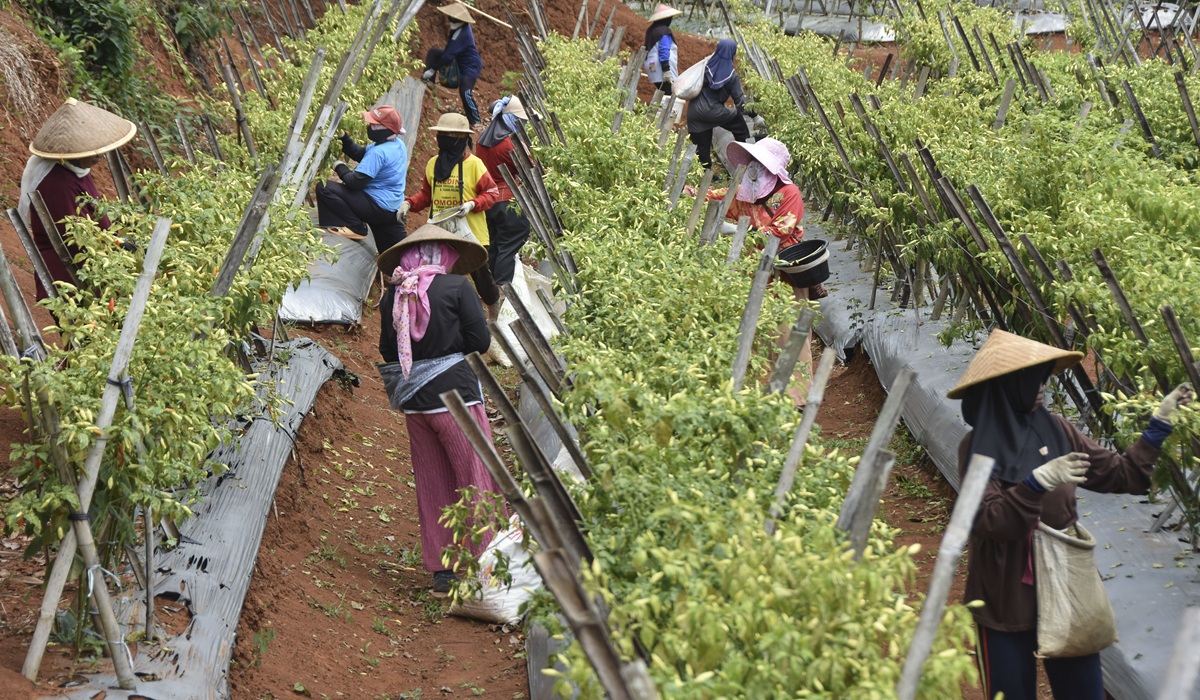
Content circulating on social media suggesting the use of paracetamol as a plant fertiliser has recently come under scrutiny. In response to the phenomenon, the Head of the Plant Clinic at IPB University’s Faculty of Agriculture, Dr Efi Toding Tondok, issued a stern warning to the public.
Dr Efi firmly advised against using human medicines on plants. According to him, the practice risks triggering adverse long-term effects that have yet to be scientifically mapped, ranging from the death of certain organisms to the threat of pathogen resistance.
“Paracetamol is made specifically for human health, and there is no research or data whatsoever proving that paracetamol’s compounds are needed by plants or can fertilise them, especially chillies,” said Dr Efi.
He explained that human medicines are formulated in low, carefully measured doses to be safe for the human body. If applied to plants, apart from being far more expensive than conventional fertilisers, their effectiveness has not been clinically tested in agriculture at all.
Although some compounds in human medicines, such as salicylic acid, are indeed known to boost plant resilience, formulations for humans are far purer and more expensive. Widespread use would be extremely dangerous for the environment.
“If used on plants, especially over large areas, it could cause effects we do not yet know about. For instance, it could kill certain organisms or cause resistance to medicines, making microorganisms—possibly human pathogens—resistant to drugs,” he asserted.
As a solution, Dr Efi advised the public to stick to fertilisers formulated for plants, such as manure, as their safety for the environment, plants and consumers is assured.
For those with ornamental plants or small home gardens, he recommended making use of household waste, which is far more beneficial and safer than human chemical medicines.
“Potted plants, for example, can be fertilised with things we usually throw away, such as rice washing water. That is very good for plant nutrition. So, do not use human medicines on plants, because there are far more risks that we cannot yet see,” he concluded.