
Expert urges CKG success not to be measured solely by participant numbers
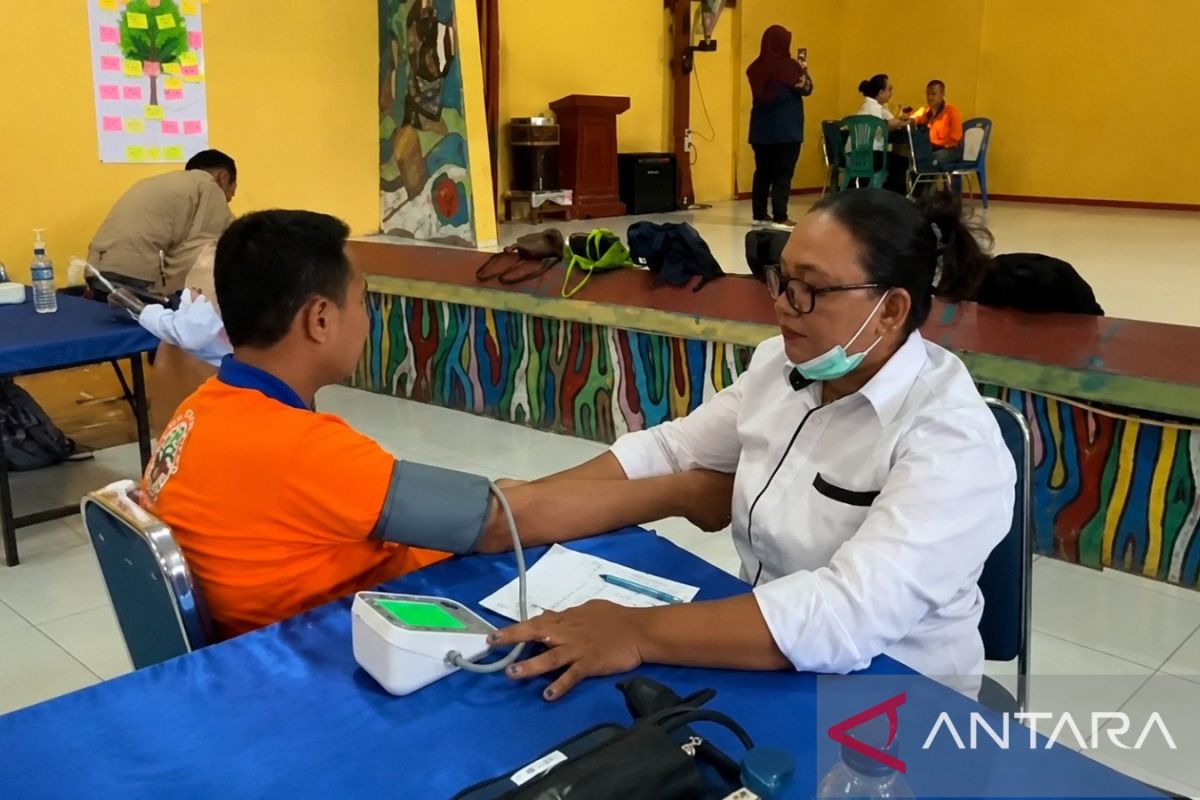
The government has been urged not to use only the number of people participating in the Free Health Check (CKG) programme as a measure of success, but also to ensure follow-up on examination results, including treatment and referrals for people detected with health problems.
“The success of screening is not only measured by the number of people examined, but also the accuracy of the examination, the capacity for follow-up or treatment, and its impact on population health outcomes,” said public health expert Dr Dicky Budiman, PhD, when contacted in Jakarta on Friday.
He considered the achievement of 108 million CKG participants announced by President Prabowo Subianto at the 2026 Annual Session of the MPR RI and the Joint Session of the DPD RI and DPR RI to be a major accomplishment.
However, the success of a health screening programme is not sufficiently measured by the number of people examined.
Nevertheless, the government needs to explain the participant deduplication method so that the data is transparent and can be understood by the public.
“There needs to be methodological transparency. So the Ministry of Health or the government should regularly publish the participant deduplication methodology. So that this claim of 108 million (participants) can be publicly audited, not just delivered verbally in a speech,” said Dicky Budiman.
According to him, the CKG results actually demonstrate the scale of the public health challenge.
A number of Ministry of Health findings include one in five adolescents having above-normal blood pressure, one in three adults experiencing central obesity, and around 51 percent of elderly people detected with hypertension.
He also reminded that the claim that CKG is available at 10,255 community health centres (puskesmas) in 38 provinces shows geographical reach, but does not automatically reflect service quality.
According to him, limitations in medical equipment, medical personnel, data integration, and referral systems are still found in a number of regions.
He therefore encouraged the government to start using outcome indicators, such as the percentage of hypertension and diabetes patients receiving treatment after detection, adherence to referrals, as well as reductions in the prevalence of hypertension, reductions in stunting, and reductions in low birth weight babies.
“The true success of CKG will be more appropriately measured two to three years from now through population health outcomes, not from participation figures alone,” said the Indonesian researcher from Griffith University, Australia.