
Expert Urges Asset Forfeiture Bill to Regulate Return of Wrongly Seized Property
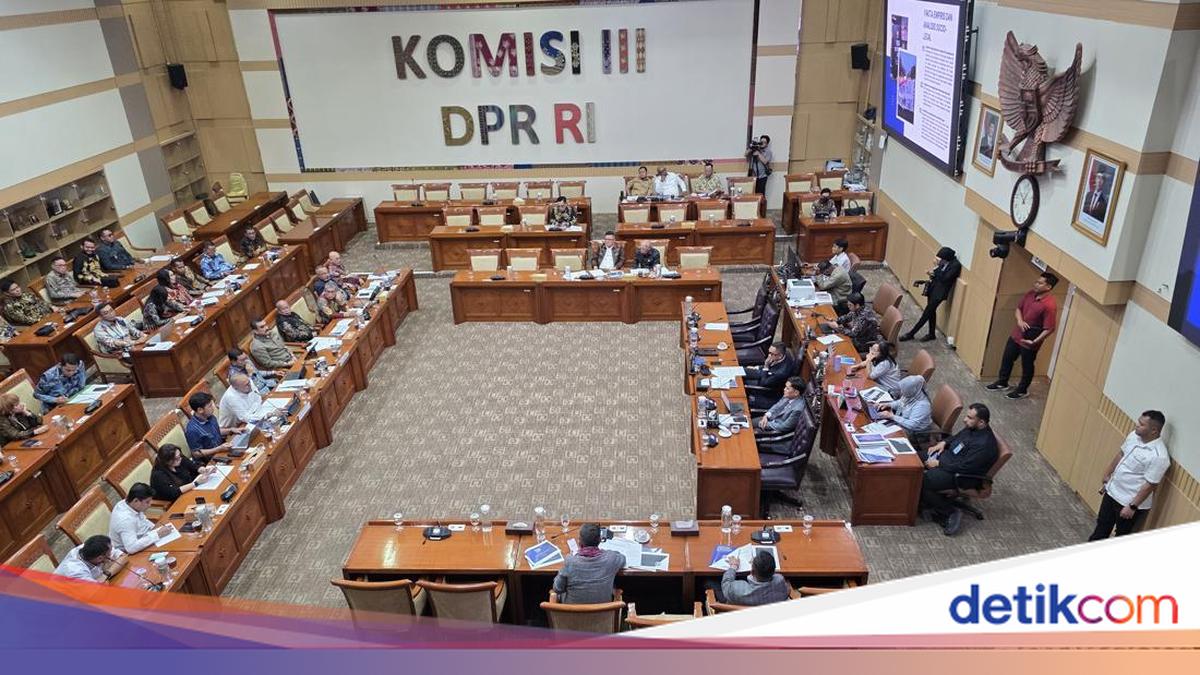
Lawyer and legal observer Shri Hardjuno Wiwoho is pushing for the Asset Forfeiture Bill to firmly regulate the mechanism for returning assets blocked or seized by law enforcement. In his view, such a mechanism is needed when the owner is proven not to have been involved in a criminal offence.
Hardjuno conveyed this during a public hearing with Commission III of the House of Representatives (DPR RI) at the Parliamentary Complex in Senayan, Jakarta, on Monday (7/9/2026). He revealed that there are still parties who have been cleared of suspect status but face difficulties in recovering assets that were previously blocked or seized by the authorities.
“Several people I have handled were cleared of suspect status, but the hard part is recovering assets that had already been blocked or seized by law enforcement,” Hardjuno said.
According to him, this issue must be one of the main focuses in deliberations on the Asset Forfeiture Bill. He assessed that the law must not only make it easier for the state to pursue the proceeds of crime, but also provide remedies when mistakes occur.
Members of the public who suffer losses, Hardjuno continued, must be given the right to challenge the validity of blocking and seizure through the courts. Objections lodged solely with superiors of investigators are deemed insufficient, because corrections must be able to be carried out by an independent judicial institution.
He also considered that returning money based on an asset’s value at the time of sale does not necessarily cover all of the owner’s losses, since the asset’s value may increase or carry other economic benefits not reflected in the sale price.
According to him, the sale of assets before a legally binding verdict should only be permitted under special circumstances, based on court permission and an independent assessment. The proceeds of the sale must be kept in a special account until the case is decided finally.
Hardjuno affirmed that the asset forfeiture mechanism without criminal conviction remains necessary. However, its implementation must be transparent, accountable, proportionate, and provide protection to parties who acquired their assets lawfully.
“The Asset Forfeiture Law should serve as a guarantee of protection, including for people whose assets were seized but who are later declared unconnected to any criminal offence,” he said.