
Expert: Transformation of public transportation key to energy independence
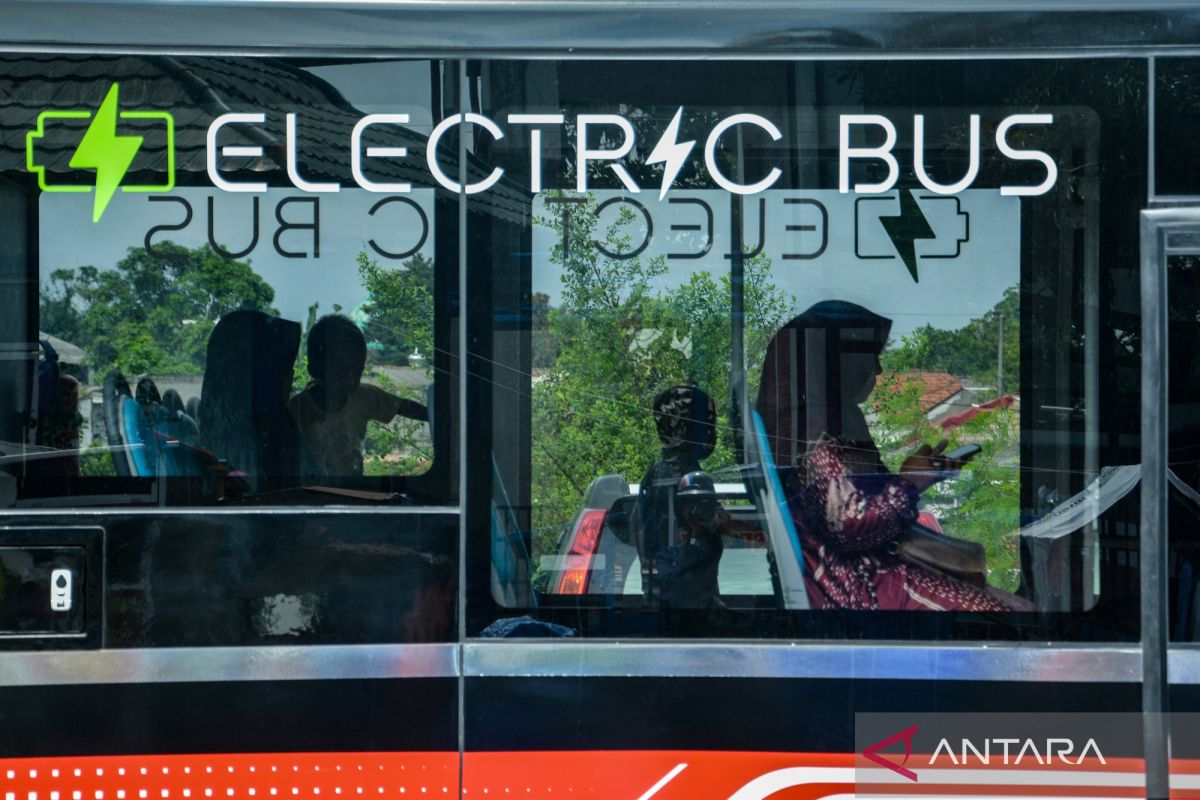
Transportation expert Djoko Setijowarno considers the transformation of electric public transportation as an important strategic step in facing the energy crisis, to reduce dependence on petroleum fuels (BBM) and promote national energy independence.
“Crucial steps need to be taken by the Indonesian government, first the acceleration of migration to electric-based public transport,” said Djoko, who is also an advisor to the Indonesian Transportation Society (MTI), in his statement in Jakarta on Sunday.
He emphasised that the transformation steps must be strategic and sustainable to reduce dependence on petroleum fuels in the transportation sector.
According to him, the dominance of energy consumption in the transportation sector, especially private vehicles, is the main challenge that must be addressed through policies that encourage a massive shift to public transportation.
He stressed that accelerating migration to electric-based public transport is the most effective step to suppress BBM consumption while increasing energy efficiency in various major cities in Indonesia.
Djoko assessed that replacing public transportation fleets with electric buses gradually and massively needs to be carried out to accelerate the electrification process while supporting national emission reduction targets.
This academic from the Civil Engineering Study Programme at Soegijapranata Catholic University in Semarang also emphasised the importance of integrating inter-modal transportation such as KRL, MRT, LRT, and feeder services so that connectivity improves and the public is encouraged to leave private vehicles.
In addition, energy subsidy reform is considered urgent because, according to Djoko, BBM subsidies have so far been mostly enjoyed by middle to upper-class groups who use private vehicles every day.
Djoko encourages the digitalisation of subsidy distribution through a data-based system so that the distribution of subsidised BBM is more on target and truly used by public transport and the national logistics sector.
He also proposed relocating part of the BBM subsidy budget for building supporting infrastructure for electric vehicles such as Public Electric Vehicle Charging Stations (SPKLU), bicycle lanes, and safe pedestrian facilities.
In supporting electrification, Djoko continued, greater incentives are needed for the public to switch to electric vehicles, especially motorbikes which have a high population and energy consumption.
However, the implementation of such incentives must be adjusted to regional conditions, including prioritising certain areas such as underdeveloped, frontier, outermost, and border regions (3TP) that need efficient transportation solutions.
Djoko also highlighted the importance of developing micro-mobility such as electric bicycles and scooters with dedicated lanes to support short-distance environmentally friendly trips.
Furthermore, optimising rail-based logistics is an important strategy because freight transport using trains is considered far more efficient than road transport based on trucks.
He encourages accelerating the construction of double tracks and reactivating old tracks on Java and Sumatra islands so that logistics distribution can shift to more energy-efficient modes.
In addition, the development of vegetable fuels such as B40 and B50 biodiesel needs to be continued in a balanced manner to support energy resilience while maintaining national food stability in Indonesia going forward.
“Through the integration of comprehensive policies, from subsidy reform, support for national electric bus production, to optimisation of rail logistics, Indonesia has great opportunities to emerge from the energy crisis,” said Djoko.