
Expert: Sukoharjo Sting Operation Exposes Systemic Failure
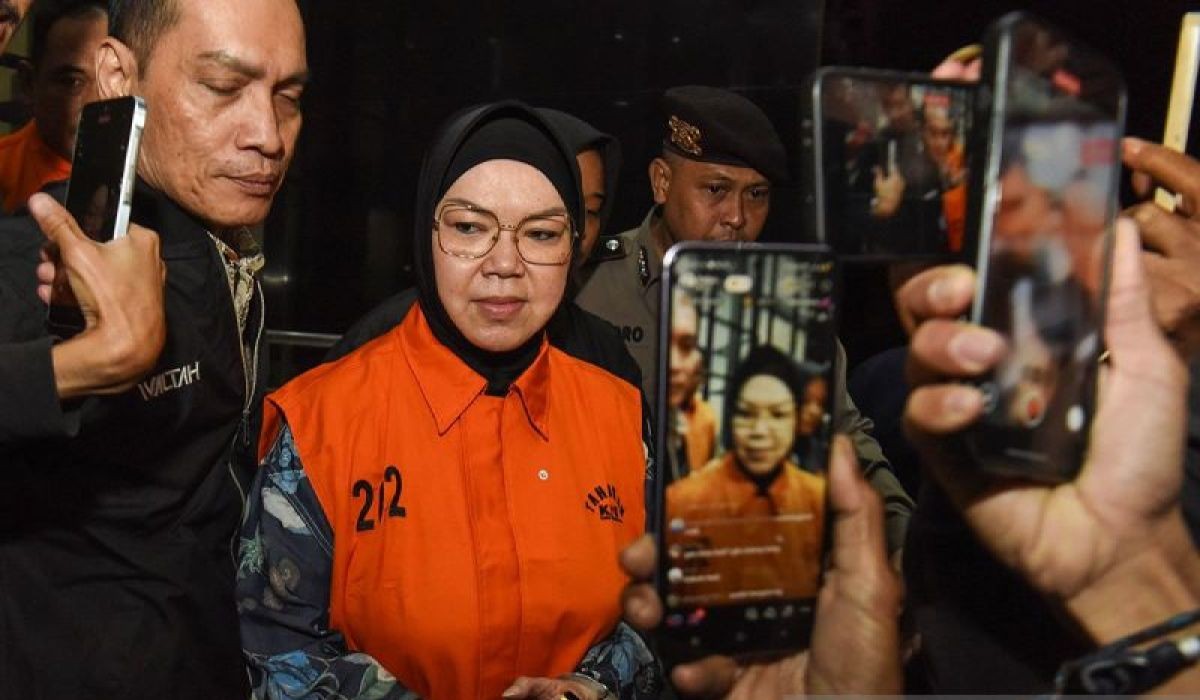
The alleged extortion case involving Sukoharjo Regent Etik Suryani is not merely an illustration of abuse of authority by a regional head. The matter has instead exposed a more fundamental issue: how public office is allegedly exploited to recover political costs. The uncovered practice has drawn significant attention. Incentives for tax and levy collection, which should be given to civil servants for successfully increasing regional revenue, were allegedly demanded back, with around 40% being siphoned off to the regional head. The amount is estimated to reach tens of billions of rupiah annually. As a result, incentives that should serve as a form of appreciation for bureaucratic performance in boosting Regional Original Income (PAD) are suspected of being turned into a source of political rent.
Regional autonomy expert Djohermansyah Djohan stated that the case is just a small part of a much larger problem. “Do not stop at the question of who the perpetrator is. What is more important is why practices like this keep recurring in many regions. The answer lies in a political system that produces very expensive Pilkada costs,” he said in a written statement. According to Djohermansyah, the alleged extortion of state civil apparatus (ASN), the practice of buying and selling positions, project manipulation, and levies in the licensing process are all part of the same pattern. Everything is rooted in the abuse of power to cover political costs while preparing capital to maintain power.
Over more than two decades of direct regional elections, over 400 regional heads have been implicated in corruption cases. Almost every year, the Corruption Eradication Commission (KPK) conducts sting operations against regional heads with various modus operandi. Although the methods differ, the root of the problem is considered the same. “If regional heads are arrested every year with almost identical patterns, it means it is not just the individuals who are broken. The system is also problematic,” Djohermansyah said. He believes that law enforcement has so far only targeted the final effects of the problem. Sting operations may create a shock effect, but they have not succeeded in stopping the cycle of corruption because the source has not been addressed.
He argued that high political costs, party dowries, vote-buying practices, campaign debts, and weak political cadre recruitment create enormous pressure on regional heads from the moment they take office. When official income is deemed insufficient to cover the political costs already incurred, some choose to abuse their authority as a shortcut. “Corruption is ultimately seen as a way to recover political investment. This way of thinking is very dangerous for democracy,” he said. Djohermansyah stressed that Indonesia needs comprehensive reform of the Pilkada system. He believes the recruitment process for regional head candidates must be based on competence, integrity, track record, and leadership capacity. Political parties, he said, should no longer make financial strength the main benchmark. “We need quality leaders, not candidates with the thickest wallets.”
Furthermore, Pilkada costs need to be reduced through the implementation of asymmetric elections. He argued that not all regions should use the same electoral pattern. Regions with specific characteristics could apply simpler, more efficient, yet democratic mechanisms so that political costs can be significantly reduced. He also encouraged the government to build a healthier incentive system for regional heads. Regional heads who succeed in increasing PAD, improving the quality of public services, and maintaining a clean government deserve additional performance-based financial rights. Such a reward scheme is expected to strengthen achievement orientation, rather than encouraging abuse of office through extortion practices against ASN.
A similar view was expressed by the Association of Indonesian Regency Legislative Councils (Adkasi). The organisation assessed that the series of sting operations against regional heads must serve as a turning point to evaluate regional governance comprehensively. Adkasi urged the government and the House of Representatives to immediately revise Pilkada regulations, fix the party system, strengthen oversight mechanisms, and build the ethics of government administrators so that abuse of power does not continue to recur. The Sukoharjo case serves as a warning that corruption by regional heads can no longer be viewed as merely an individual mistake. The problem has developed into a systemic symptom that erodes the quality of democracy at the regional level. As long as political costs remain high, the political recruitment process is transactional, and oversight is not strengthened, sting operations will only change the names of the perpetrators.