
Expert: Scientific Research Key to Targeted Transmigration Development
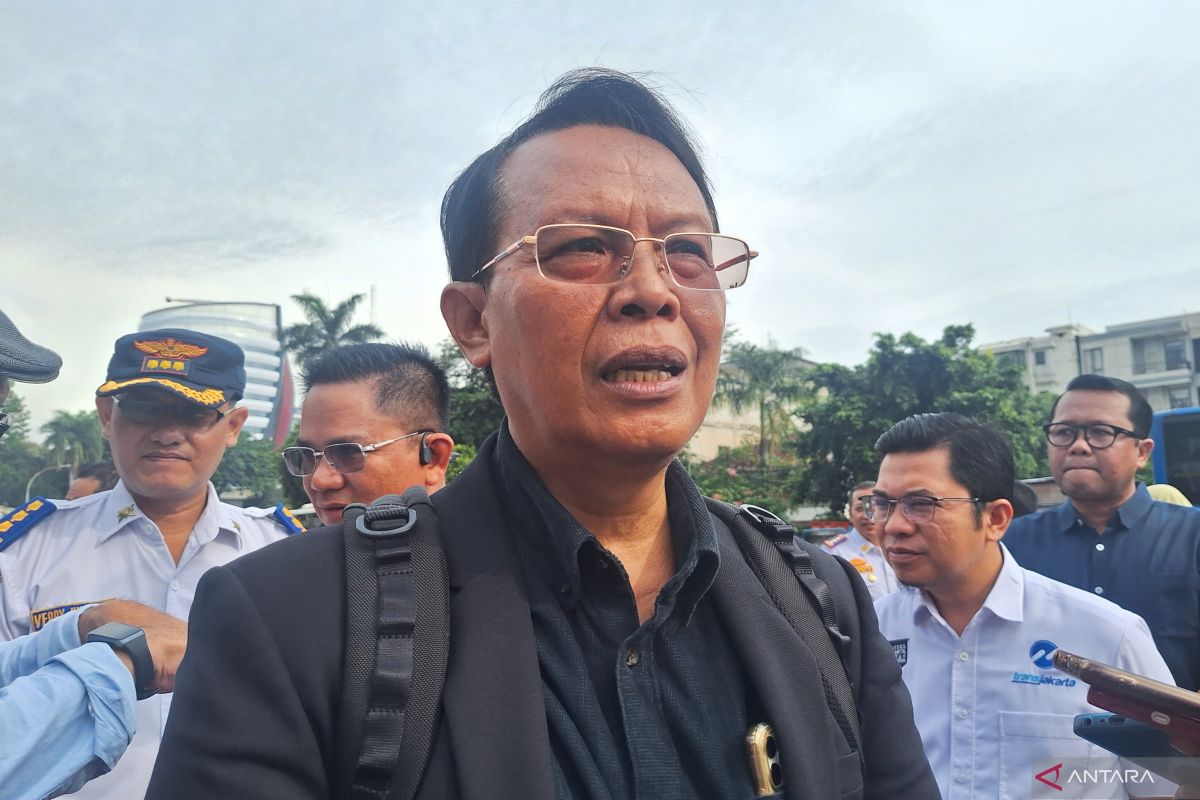
Jakarta (ANTARA) - Public policy expert Trubus Rahadiansyah has assessed that involving academics in the development of transmigration areas through scientific research will result in more targeted policies. “So far, many policies have not been formulated based on research. In fact, policies should be based on data and scientific studies,” Trubus said in Jakarta on Tuesday. The Trisakti University academic stated that a research-based approach and real studies should ideally be applied by all ministries and institutions in formulating public policy, so that decisions are not made spontaneously and without a strong academic foundation. However, he cautioned that research results should not merely end up as reports. The government needs to form a special task force or team responsible for overseeing the implementation of research findings, from supervision and execution to programme evaluation. Trubus said this oversight involves various stakeholders, such as local governments, academics, communities, civil society organisations, and the people in the transmigration areas. Public involvement is considered important so that regional potential and any emerging obstacles can be identified early on. “The target areas must be involved, so there is public participation. If obstacles arise, whether it is resistance from the local community, infrastructure issues, or other factors, these can be assisted,” he said. He added that synergy between the central and regional governments is a key factor in increasing the productivity of transmigration areas while attracting investment. In addition to participatory research, research results must also be open through public consultations and dialogues, as they involve factual analysis and medium- and long-term planning scenarios for regional development that impact the community. He also stated that scientific academic studies need to be translated into language that is easily understood by the public and serve as the basis for drafting government programmes. “Research results must be converted into policy language and programme language so they are easy to implement,” he said. Regarding programme success indicators, he assessed that success can be measured by minimal community resistance to the transmigration programme, increased economic activity in transmigration areas, and strong support from local governments through the provision of infrastructure, human resources, and assistance to transmigrant communities. He stressed that collaboration between the central government, local governments, academics, and local communities is key to ensuring that research results can truly be applied into policies that have a real impact on the development of transmigration areas. The Ministry of Transmigration is implementing the Patriot Transmigration Programme initiative to change the paradigm of transmigration from mere population relocation to independent regional development based on research, technology, and local economic empowerment. The programme includes sending young experts and providing higher education pathways for agents of change.