
Expert Says Strong Indications of Money Laundering in Febrie Adriansyah Case
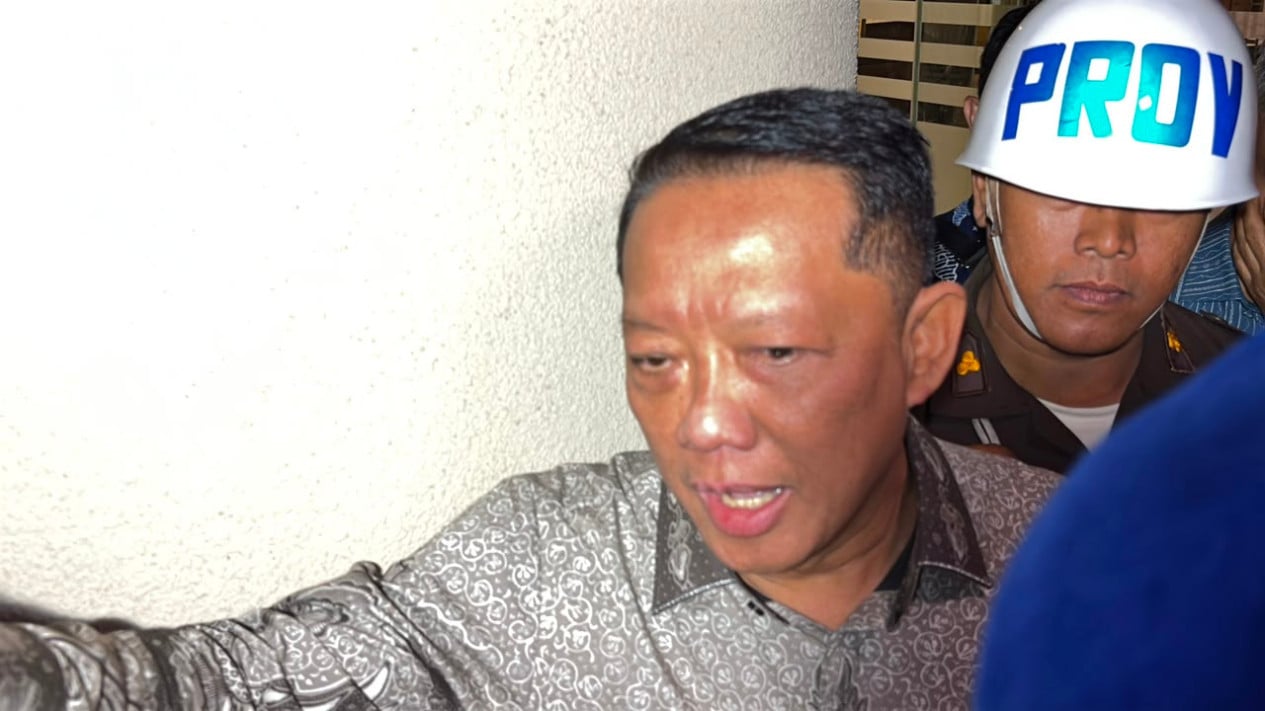
Money laundering law expert Yenti Garnasih has assessed that there are strong indications of money laundering in the case involving former Deputy Attorney General for Special Crimes, Febrie Adriansyah. She noted that the discovery of cash and gold bars during a search of Febrie’s residence requires further investigation, as the amount of assets is considered disproportionate to his capacity as a law enforcement officer.
“We see that the indication towards that, especially money laundering, is very strong. In his house, there was a sum (of money and gold bars) that is inappropriate for him,” Yenti told reporters in Jakarta on Wednesday, 12 August 2026.
Yenti also highlighted the possibility of corruption committed by law enforcement officials while carrying out their duties to eradicate corruption. She stated that such practices could include accepting bribes, gratuities, or even extortion. “There is a possibility that they are committing corruption while eradicating corruption. They want to eradicate corruption but they accept bribes, gratuities, or commit extortion,” she said.
Furthermore, Yenti linked the issue to poor governance and the practices of corruption, collusion, and nepotism. She assessed that the abuse of authority is a factor that worsens the situation. “The reason corruption is so rampant is related to nepotism and KKN, meaning there is an issue with the executive branch abusing authority or acting unlawfully, causing state losses,” she explained.
According to Yenti, this condition demonstrates the fragility of the three pillars of state power: the executive, legislative, and judiciary. “This increasingly shows that all three pillars are fragile. The executive, legislative, and judiciary are fragile, tending towards corruption and money laundering,” she added.
Yenti also criticised a statement made by Febrie, who previously claimed to be a victim of criminalisation. She argued that the term needs to be corrected, as legally, it is an act that is criminalised, not a person. “The term criminalisation is also wrong. As an academic, I must correct this. Criminalisation is a process. For example, previously we did not have a money laundering law, then suddenly we do; that is the criminalisation of the act of enjoying the proceeds of crime, which is now called TPPU,” she clarified.
Source: jawawa.id (https://jawawa.id/newsitem/expert-says-strong-indications-of-money-laundering-in-febrie-adriansyah-case-1786553566)
Originally published by VIVA.co.id (https://www.viva.co.id/berita/nasional/1920968-pakar-soal-kasus-febrie-adriansyah-indikasi-tppu-kuat-mau-berantas-korupsi-tapi-dia-menerima-suap), translated from Indonesian