
Expert Says Pertamax Price Hike Poses Minimal Social Unrest Risk
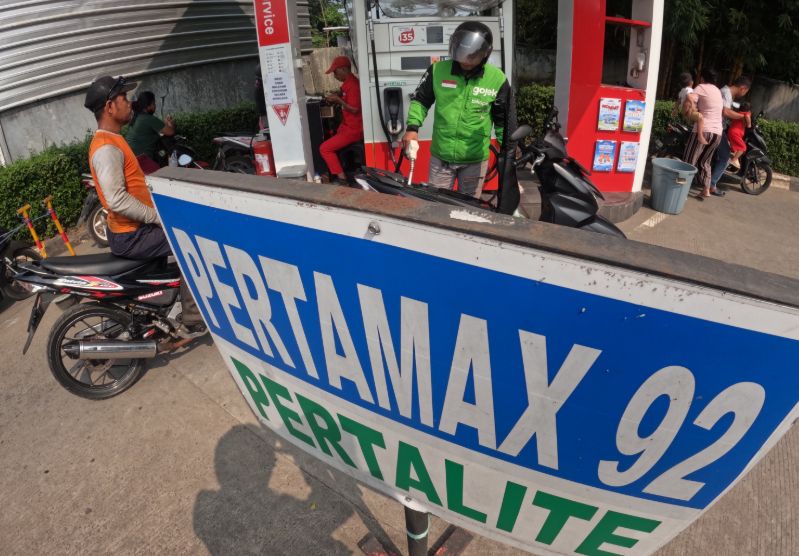
The government’s decision to raise the price of Pertamax to Rp16,250 per litre has been deemed an unavoidable step amid pressure from global oil prices and the weakening rupiah. Public policy observer from Padjadjaran University (Unpad), Bonti Wiradinata, assessed that the price adjustment was actually overdue, as global energy volatility has been ongoing since February 2026. According to Bonti, the government had been holding back on raising non-subsidised fuel prices to maintain public purchasing power and national economic stability. This policy provided room for the public and businesses to adjust their financial conditions before facing the energy price increase. “Indonesia tends to have less frequent and gradual adjustments. However, this is a deliberate policy choice to maintain a social cushion, not merely unpreparedness in managing prices,” Bonti said. He explained that the price of Pertamax, as a non-subsidised fuel, fundamentally follows the development of global oil prices and the rupiah exchange rate. When these two factors experience prolonged pressure, the government must eventually adjust the price to avoid a larger fiscal burden. Bonti appreciated the government’s efforts to hold prices for several months, providing an economic and psychological buffer for the public. However, he noted that the longer the adjustment is postponed, the greater the pressure on the state and energy business entities. He estimated the urgency to raise fuel prices was linked to the government’s strategy to maintain the rupiah’s exchange rate against the US dollar and to address state budget pressures resulting from the currency’s depreciation. Maintaining non-subsidised fuel prices below the economic price in the long term could potentially strain cash flows and increase the need for energy compensation. Therefore, the price adjustment is seen as a realistic step to safeguard the state’s fiscal health. “By adjusting prices, the government minimises the potential for ballooning energy compensation costs. This is an effort to ensure the state budget remains focused on other priority financing,” Bonti said. He added that the risk of social unrest from the Pertamax increase is relatively more manageable compared to raising subsidised fuel prices, as Pertamax consumers generally come from groups with more options in managing their energy consumption patterns. A similar view was expressed by the Executive Secretary of YLKI, Rio Priambodo, who said his organisation understands that non-subsidised fuel prices are influenced by global oil price dynamics and the rupiah’s exchange rate against the US dollar. Rio urged that the Pertamax price increase be accompanied by a tangible improvement in service quality for consumers. He asserted that the public has the right to receive product quality and service commensurate with the price paid. “Consumers should not only be asked to accept a price increase without receiving a corresponding improvement in benefits and service quality,” Rio said. He also encouraged Pertamina and the government to enhance transparency in disseminating information regarding fuel price changes, as better public communication would help the public understand the reasons behind the government’s price adjustment policy.