
Expert: Rice self-sufficiency is a positive achievement for the Prabowo administration
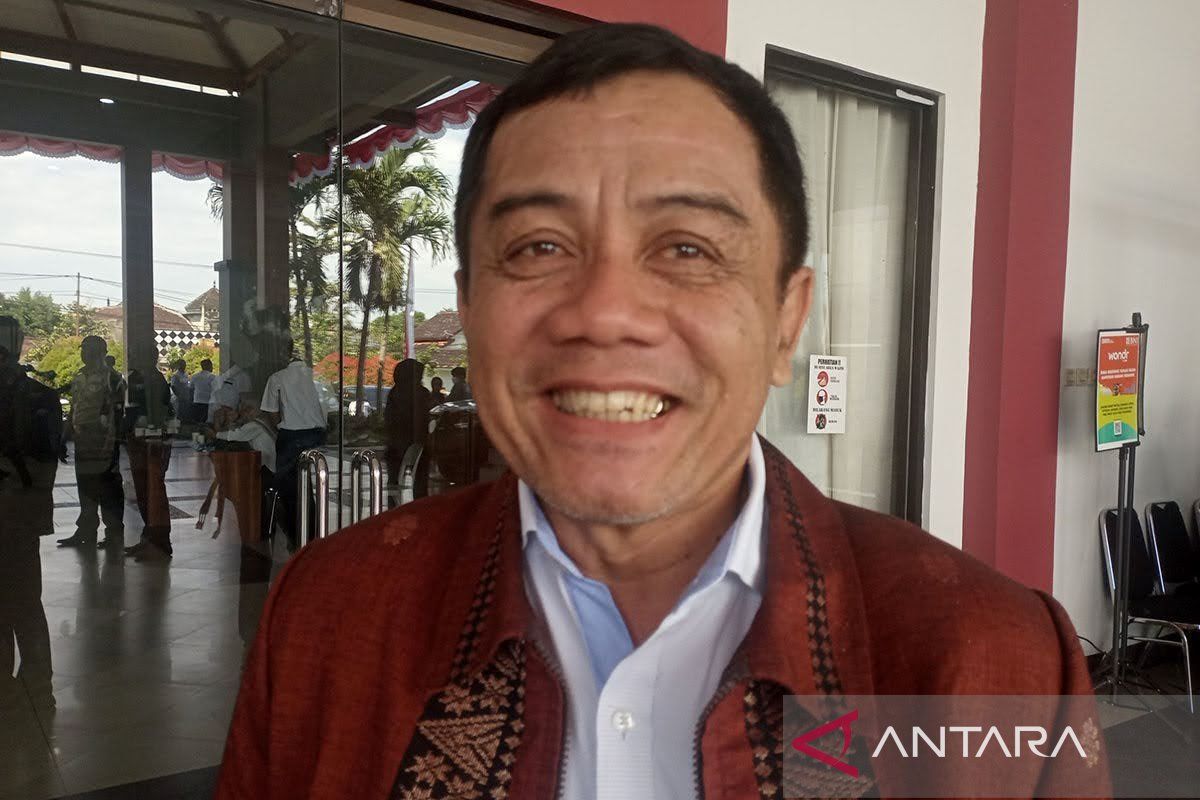
Academically speaking, I appreciate the data presented by the government regarding paddy production. There is an extraordinary surge in 2025 compared to 2024 or 2023, where production dropped drastically.
Purwokerto (ANTARA) - An agricultural expert from Jenderal Soedirman University (Unsoed) Purwokerto, Professor Totok Agung Dwi Haryanto, considers the increase in rice production to be one of the positive achievements within the first two years of the administration of President Prabowo Subianto and Vice President Gibran Rakabuming Raka.
“Academically, I appreciate the data presented by the government regarding paddy production. There is an extraordinary surge in 2025 compared to 2024 or 2023, when production fell drastically,” he stated in Purwokerto, Central Java, on Thursday.
He noted that the increase in rice production is the result of contributions from various parties, including not only the Ministry of Agriculture but also the Ministry of Defence, the TNI (Indonesian National Armed Forces), the private sector, universities, and farmers.
According to him, several universities have contributed through the development of superior varieties, while farmers remain the primary party directly involved in rice production.
“When rice is available in homes and kitchens, particularly for farmers in villages, it brings peace of mind to farmers. Therefore, rice holds an incredibly strategic position,” he said.
In addition to production, he appreciated the government’s policy of setting the Government Purchase Price (HPP) for unhusked rice (gabah) at Rp6,500 per kilogram.
He noted that grain prices at the farmer level have currently exceeded the HPP in several regions, with some reaching Rp8,000 per kilogram.
However, he warned that achievements in rice production should not lead the government to ignore issues of productivity and the risk of crop failure, especially when farmers face the impacts of El Niño.
He stated that some farmers are still experiencing crop failures, while protection through agricultural insurance has not yet reached all farmers, particularly smallholders.
“The coverage is not yet massive. Small-scale farmers who do not meet the requirements for agricultural insurance ultimately bear the losses from crop failure themselves,” he said.
Furthermore, he suggested that the government needs to continue agrarian reform and the creation of new paddy fields outside Java, ensuring that the opened land is truly productive and supported by adequate irrigation systems.
He also encouraged the government to begin expanding the target of self-sufficiency from rice to food more comprehensively, by developing other strategic commodities such as soybeans, maize, and other food sources.
“Rice production is already very good, but it needs to be maintained by ensuring farmer welfare through insurance and good purchase prices. Other commodities are also very important so that, one day, we shift from rice self-sufficiency to overall food self-sufficiency,” said Prof. Totok.