
Expert reveals key factors for rupiah rebound in second half of 2026
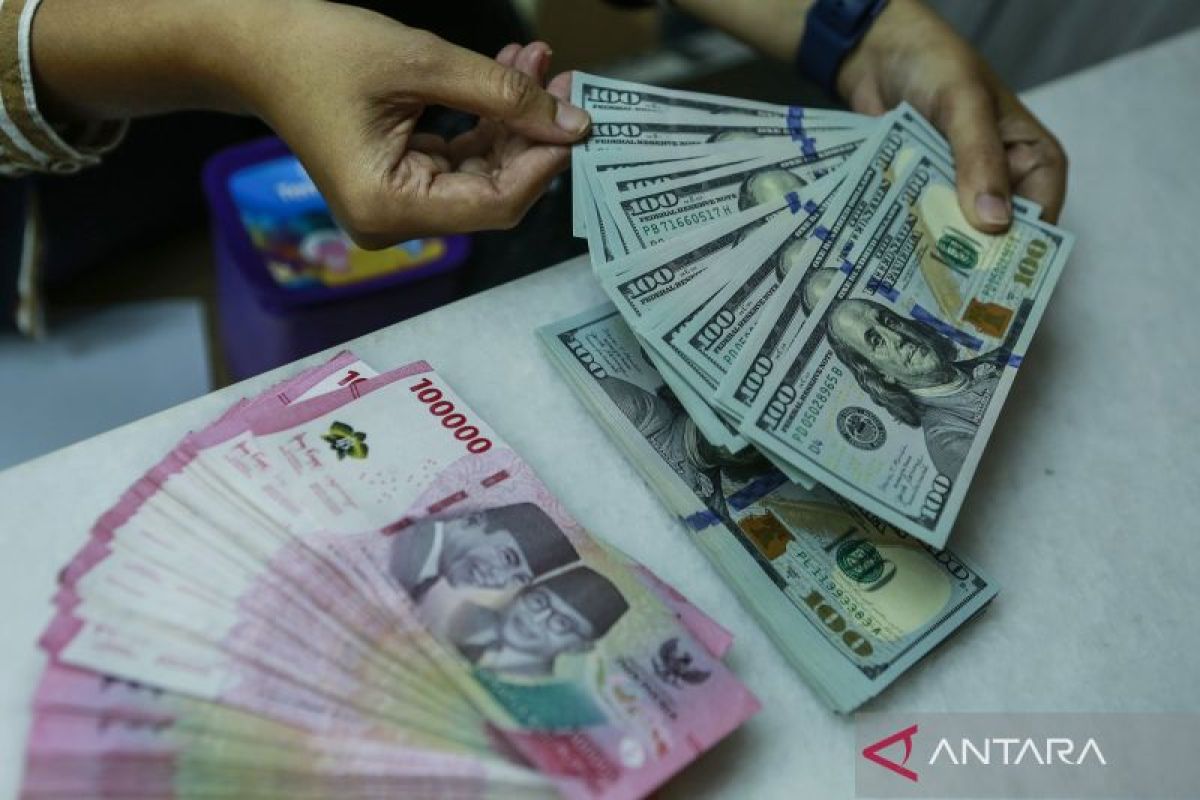
University of Airlangga Faculty of Economics and Business Professor Rahma Gafmi predicts that the rupiah could rebound to a range of Rp16,800 to Rp17,200 per US dollar in the second half of 2026 if key factors align. Determining the rupiah’s turning point currently depends on when external variables begin to cool or subside. Rahma explained that the primary cause of the dollar’s strength is expectations of Federal Reserve interest rates. The rupiah could reverse if US economic data shows significant signs of improvement or cooling. ‘If US unemployment rises and inflation slows below 3%, markets will again bet on rate cuts. This would lower US Treasury yields, prompting capital inflows into Indonesia’s high-yielding government bonds (SBN),’ she said. Bank Indonesia (BI) is not solely relying on interest rates but also strengthening instruments such as Bank Indonesia Rupiah Securities (SRBI). Rahma noted that the rupiah could strengthen if SRBI yields reach levels too attractive for foreign investors to ignore. With SRBI yields currently set above 7.3-7.5%, the appeal for entering the domestic market will gradually build, creating new dollar supply in the market,” she added. Historically, pressure on the rupiah increases in Q2 (April-June) as foreign corporations in Indonesia exchange rupiah for dollars to repatriate dividends. This seasonal pressure typically eases in July and August. ‘If there are no negative fiscal shocks, the rupiah naturally has room to strengthen as corporate dollar demand decreases. Conversely, negative fiscal shocks would continue to pressure the currency,’ Rahma said. She noted that certain psychological levels prompt BI to intervene aggressively to maintain the rupiah’s credibility. If foreign exchange reserves are sufficient to manage volatility, speculators may take profits, potentially triggering a rapid rupiah strengthening. As a commodity exporter, Rahma cautioned that rupiah strength also depends on energy price stability. If tensions in the Middle East ease and global oil prices fall to $75-80 per barrel, reduced energy import costs would support Indonesia’s trade balance. She said monetary authorities and the government typically shift to structural measures if interest rate hikes fail to curb rupiah pressure. One such step is strengthening natural resource export foreign exchange (DHE) rules requiring exporters to place foreign earnings in domestic financial systems. Additionally, BI must maintain competitive SRBI yields to attract foreign capital, while expanding local currency transactions (LCT) and non-dollar instruments to reduce domestic dollar demand. On the government side, Rahma added that holding off non-urgent imports or delaying high-import-component projects could also support rupiah stability. However, she warned that if markets perceive escalating geopolitical tensions or an unhealthy widening of the state budget deficit, administrative measures like DHE requirements could be seen as emergency signals, potentially spooking investors. ‘These measures may look strong on paper, but their effectiveness often clashes with market psychology,’ Rahma said.
Source: jawawa.id (https://jawawa.id/newsitem/expert-reveals-key-factors-for-rupiah-rebound-in-second-half-of-2026-1780057056)
Originally published by Antara (Indonesian) (https://www.antaranews.com/berita/5586760/pakar-ungkap-faktor-penentu-rupiah-bisa-rebound-pada-semester-ii), translated from Indonesian