
Expert proposes DPR immediately revise Anti-Corruption Law to regulate state losses
Jakarta (ANTARA) - Professor Dr Romli Atmasasmita, a Professor of Legal Science at Padjadjaran University, has proposed that the House of Representatives (DPR RI) immediately revise Law Number 20 of 2001 concerning the Amendment to Law Number 32 of 1999 on the Eradication of Corruption Crimes (Tipikor) to resolve the ongoing controversy regarding state loss regulations.
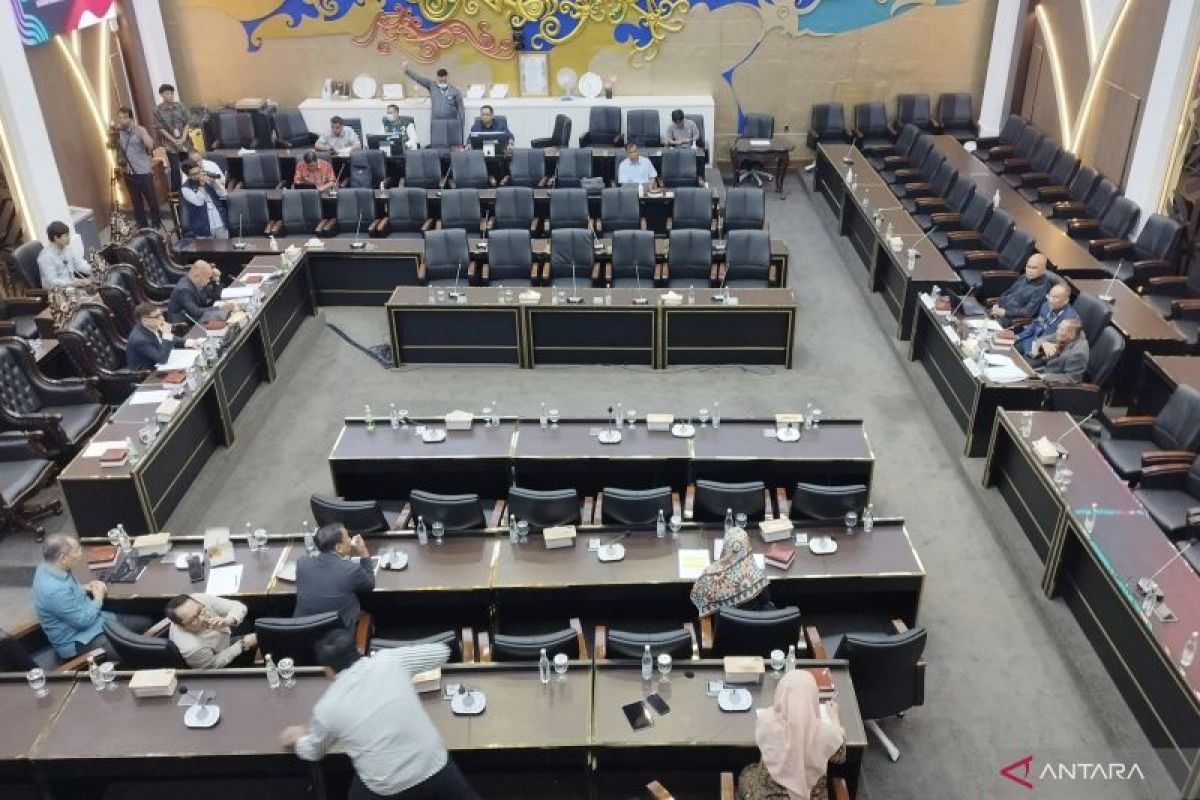
During a meeting with the Legislative Body at the parliamentary complex in Jakarta on Monday, he stated that there is currently a debate regarding which party is authorised to calculate state finances, as prosecutors and even judges are currently attempting to calculate state losses.
According to him, there must be a single authorised party for this purpose so that the debate can be resolved. “I am also confused. Since when did law faculty curricula include accounting mathematics? Never. How are prosecutors and judges calculating it?” said Prof. Romber.
He stated that based on the 1945 Constitution, the Audit Board of Indonesia (BPK) is the sole institution capable of performing such calculations. However, various interpretations and technical reasons regarding the BPK’s perceived inability have emerged.
Prof. Romli suggested that the BPK should request the DPR to strengthen its institution to assist in auditing state losses and preventing corruption. Furthermore, he added that this controversy is making the Anti-Corruption Law increasingly chaotic, as many bureaucrats are now afraid to make decisions. This reflects the legal issues involving former Minister of Education and Culture Nadiem Makarim and former Minister of Trade Thomas Lembong.
He also proposed that the revision of the Anti-Corruption Law should ratify Article 3 of the United Nations Convention against Corruption (UNCAC) to ensure there is no further debate regarding the party authorised to calculate state losses. “Include prevention in there. Include prevention because in UNCAC, there is corruption prevention and international cooperation for asset recovery; that is more important. Rather than chasing state officials who are actually legally illiterate,” he said.