
Expert proposes BPDP should also fund bioethanol to ensure competitive pricing
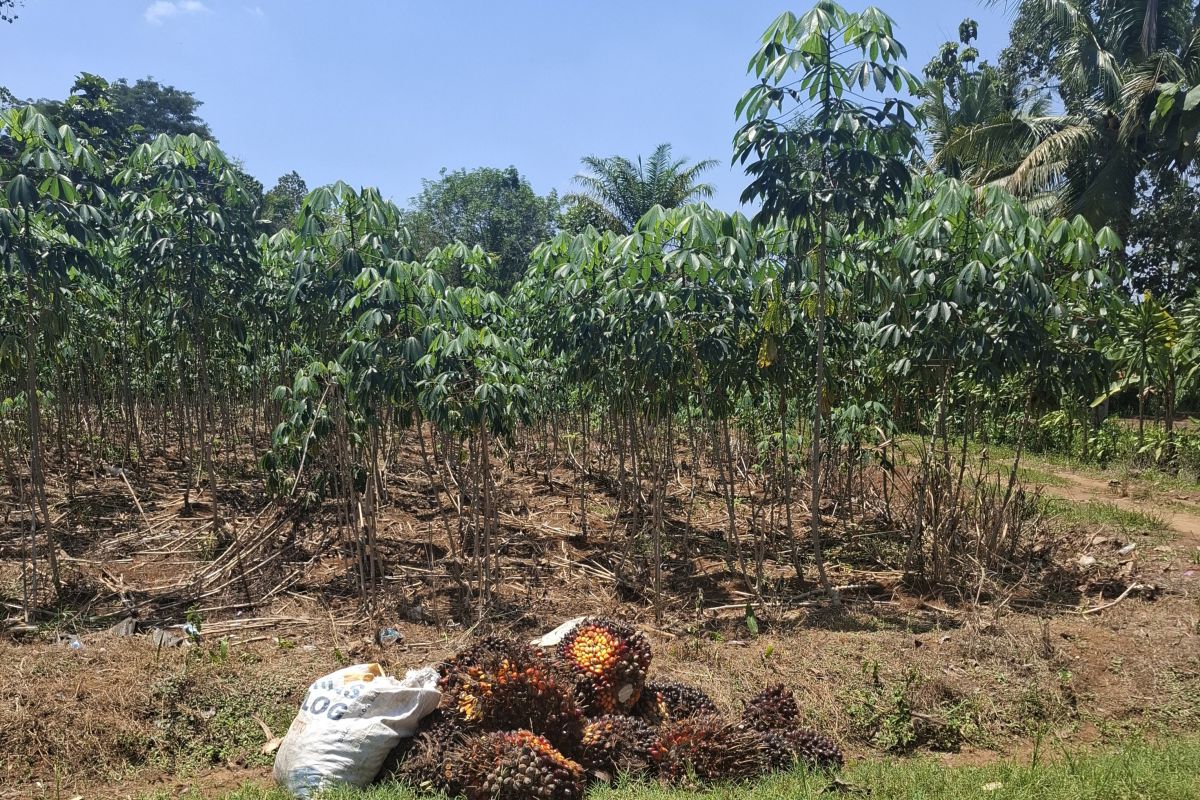
An energy expert from the University of Indonesia (UI), Ali Ahmudi Achyak, has proposed that the Plantation Fund Management Agency (BPDP) should also provide funding for bioethanol to ensure competitive selling prices.
“This agency already has experience (in funding biodiesel). Therefore, the BPDP should be expanded; instead of focusing solely on palm oil, other plantations should also be explored,” Ali stated when contacted by ANTARA in Jakarta on Monday.
In the development of biodiesel, which uses palm oil as a raw material, the BPDP is involved in providing necessary funding. The funds managed by the BPDB are sourced from export levies on palm oil products and their derivatives.
These BPDP funds are subsequently used to cover the price difference between the biodiesel market index price and the market index price of solar diesel.
According to Ali, a similar mechanism could be applied to bioethanol programmes using raw materials such as sugarcane, cassava, and maize.
Ali highlighted that the BPDP was originally known as the Palm Oil Plantation Fund Management Agency (BPDPKS). He noted that changing the name would signify that the agency, which previously managed funds only from palm oil plantations, could have its authority expanded to manage other plantations that serve as bioethanol raw materials, such as sugarcane.
“If it was originally all palm oil, now we should try other plantations. Sugarcane can be included and so on; it just requires improving the regulations,” said Ali.
By doing so, Ali suggested that the government would not need to create or add new agencies to provide financing for bioethanol.
The Minister of Energy and Mineral Resources (ESDM), Bahlil Lahadalia, stated that Indonesia would not need to import fuel products if it implements the E50 (50% ethanol) programme. However, Bahlil emphasised that the government does not want the ethanol requirements for the E50 programme to rely on imports from other countries.
According to Bahlil, the necessity of importing ethanol to meet E50 needs would be equivalent to being dependent on other nations.
“We do not want to implement E10, E20, or E50 only to have the ethanol imported from abroad. That would be the same thing. We want to utilise our domestic production,” he said.
Consequently, he intends to implement the policy gradually.