
Expert: Proposal for Palm Oil Wastewater Limit Standard of 100 mg/l Needs Re-evaluation
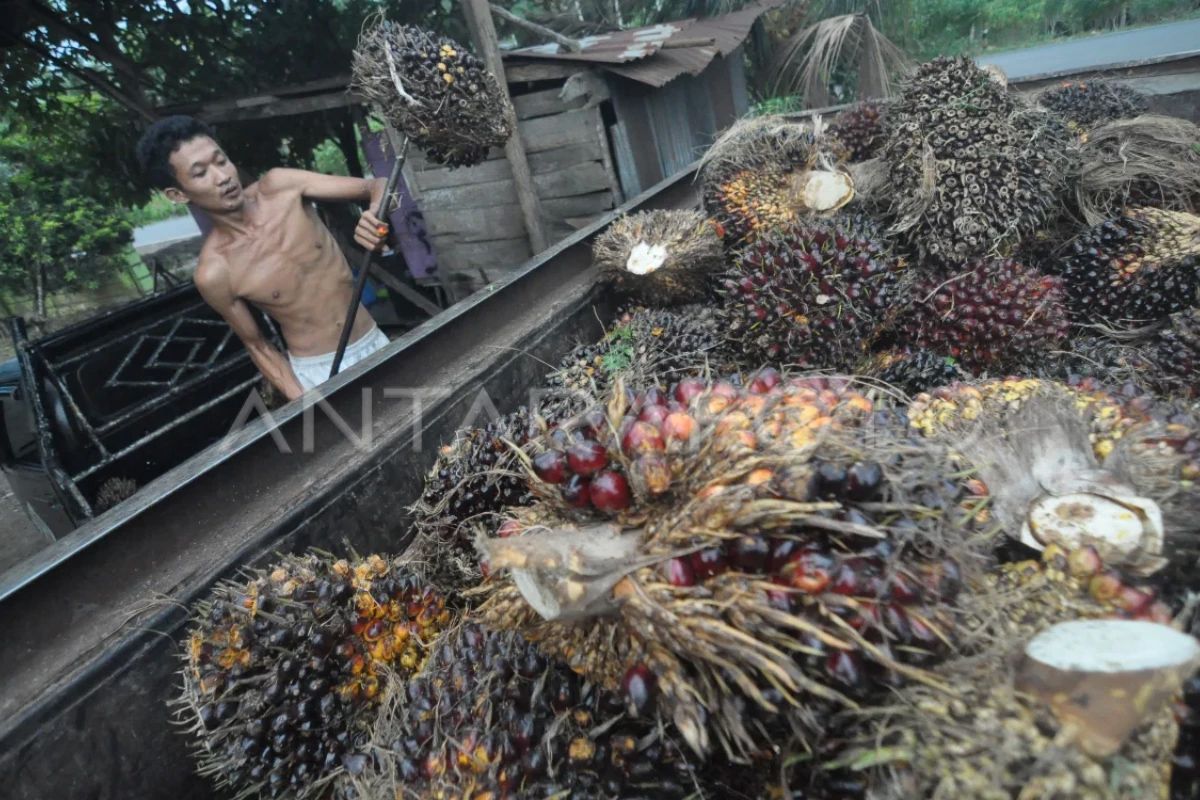
Jakarta (ANTARA) - Researcher from Pusaka, Kalam Gunawan Djajakirana, assesses that the plan for the standard limit on Liquid Waste from Palm Oil Mills (LCPKS) and Biological Oxygen Demand (BOD) below 100 mg/l requires a more in-depth re-evaluation. Gunawan, in his statement in Jakarta on Monday, said that re-evaluating this proposal is important so that the resulting policy remains based on a soil ecology approach and sustainable agronomic practices. “A policy that forces the palm oil industry to process LCPKS to a very low standard before discharging it into rivers would actually waste the great potential of that waste as a source of natural organic fertiliser for plantations,” said Gunawan. “The environment is not automatically safe just because BOD is low. Re-evaluate the draft of the Ministry of Environment Regulation so as not to ignore the good potential of LCPKS,” he added. The parameters that have so far been used as references, continued Gunawan, are only BOD and pH, while other nutrients such as nitrogen, phosphorus, calcium, magnesium, and potassium are often overlooked. Based on field analysis, LCPKS that has met the low BOD standard still contains high nutrients that can trigger eutrophication if discharged into rivers. “This condition can cause an explosion of algal growth (algae blooming) and excessive growth of other aquatic plants that actually damage the aquatic ecosystem. So, the 100 mg/l figure does not mean it is safe. If the volume is large, it can still pollute,” said Gunawan.