
Expert Panel Selects Four Recipients of DPD RI Awards: ‘We Cannot Be Influenced’
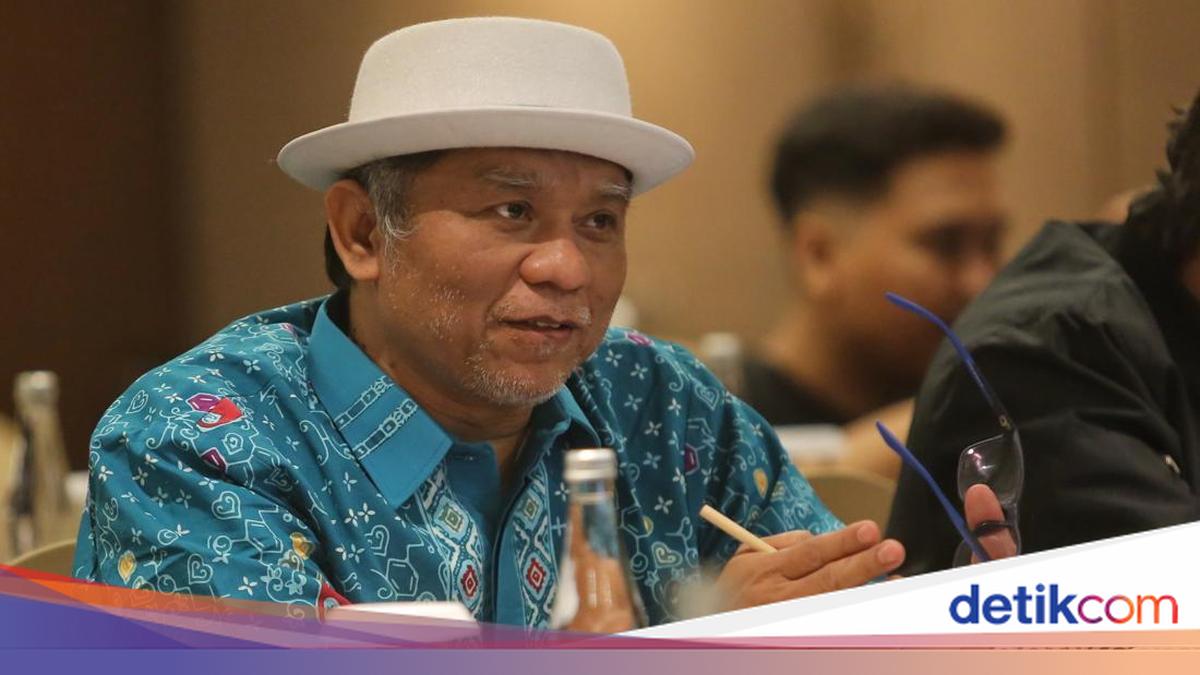
The expert panel has selected recipients for the 2026 DPD RI Awards in four categories. It said the selection process was transparent and could not be influenced from outside.
This was stated by panel member Prof. Dr. rer. nat. Agustino Zulys, S.Si., M.Sc., a professor at the University of Indonesia’s Faculty of Mathematics and Natural Sciences, after a meeting at Ayana Midplaza Jakarta on Monday (26 October 2026). The meeting lasted about four hours.
Those attending in person included National Research and Innovation Agency (BRIN) head Prof. Dr. Arif Satria, S.P., M.Si.; House of Representatives Commission II deputy chair Dr Dede Yusuf Macan Effendi, S.T., M.I.Pol.; Regional Representative Council (DPD RI) member Dr Agustin Teras Narang, S.H.; and Prof. Zulys. Culture Minister Prof. (Hon) Dr H. Fadli Zon, SS, M.Sc., also contributed views to the discussion.
The panel selected recipients in four categories: non-formal or out-of-school education innovator, health technology innovator, regional culture preserver, and village food self-sufficiency champion.
“Speaking for ourselves, I am an academic, and the others are also trusted figures with the relevant expertise and capacity. We cannot be influenced. God willing, our decision will be important and transparent,” Prof. Zulys said after the meeting.
Prof. Zulys outlined several aspects considered in the assessment, including the impact of candidates’ innovations and programmes in health, education, food, arts and culture.
“First is the innovation. It comes from their concern about existing problems—not only those affecting themselves, but also wider issues in society. These are highly innovative programmes, based on fairly in-depth research,” he said.
“We also looked at the effectiveness of the programmes and whether they would genuinely have an impact,” he added.
Prof. Zulys said the panel held a constructive debate during the four-hour meeting and interviewed candidates virtually.
“Of course, we have different perspectives, but after discussion we reached an agreement. There was discussion and also some differences in our assessments,” he said.
He said selecting recipients in the health and food security categories had been particularly challenging.
“The health category was difficult because there were two differing views, between candidate A and candidate B. Another category also proved challenging because one person had not yet been verified; that was the food-related category,” he said.
DPD RI Awards aim to inspire
Prof. Zulys said he hoped the awards would inspire the public. He stressed the importance of starting with small actions that can eventually benefit society more broadly.
“These awards can inspire the public by showing that we can address the problems facing our nation and communities by starting with ourselves, then taking the necessary steps and continuing to work. Others will see the impact,” he said.
“In my view, the DPD Awards are important because they can inspire people by showing that small steps can grow into something significant,” he added.
The three finalists in each of the four categories are:
Regional Culture Preserver
Anitawati (North Maluku)
Endang Dzunuraini (East Java)
Muhammad Ridwan Alimuddin (West Sulawesi)
Village Food Self-Sufficiency Champion
Asep Hidayat Mustopa (West Java)
Anang Ismail (Central Java)
Rivan Rinaldi (Aceh)
Health Technology Innovator
Nur Arning Tengara Kasih (Jakarta)
Megi Riomandala (Bengkulu)
Siti Nurmaini (South Sumatra)
Non-formal/Out-of-school Education Innovator
Alvian Wardhana (South Kalimantan)
Egi Trialogi (West Java)
Taryaningsih (East Java)