
Expert: More Arrhythmia Specialists Needed to Expand Service Access
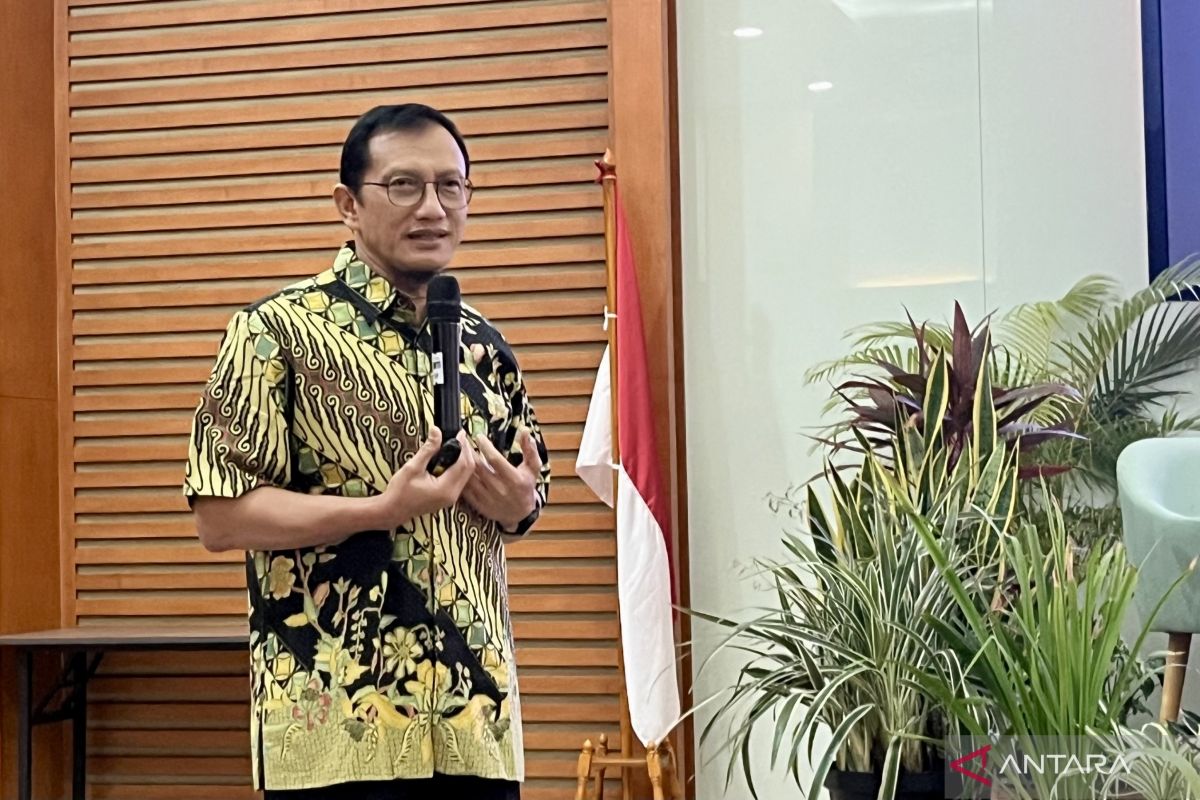
Jakarta (ANTARA) - Professor Dr. dr. Yoga Yuniadi, Sp.JP(K), FIHA, a consultant cardiologist specialising in arrhythmia and interventional cardiology, is calling for increased access to arrhythmia services in Indonesia, including through an increase in the number of doctors managing heart rhythm disorders.
Yoga stated that Indonesia currently has only 66 arrhythmia specialists to serve approximately 280 million people, making the enhancement of human resources a primary necessity for expanding access to such services.
“To cover Indonesia’s 280 million population, there are currently only 66 arrhythmia doctors,” said Yoga during a press conference commemorating ‘World Heart Day - Early Detection of Arrhythmia and Procedure Recommendations to Improve Quality of Life’ in Jakarta on Tuesday.
The Professor of Cardiology and Arrhythmia at the University of Indonesia Faculty of Medicine (FKUI) noted that the limited number of arrhythmia specialists remains a significant challenge in providing timely early detection and treatment for heart rhythm disorders to the public.
“We from the association are always striving to increase access to arrhythmia services, which includes efforts to increase the number of arrhythmia doctors, certainly with the assistance of various parties,” he said.
According to Yoga, Indonesia still faces a gap in the availability of arrhythmia service resources compared to other countries in the Asia-Pacific region.
He stated that Indonesia is among the five countries with the lowest ratios regarding the number of arrhythmia doctors, ablation procedures, and the installation of defibrillators for patients in need.
“This is certainly a major task for all of us,” said the advisor to the Heart Rhythm Society (InaHRS).
Yoga emphasised that the strengthening of arrhythmia services must be carried out comprehensively and in an integrated manner, as proper management can help reduce the incidence of strokes and sudden cardiac death.
“Investment in arrhythmia services should not only be measured by healthcare costs, but it can also eventually lower the incidence of stroke and sudden cardiac death,” he added.
He expressed hope that all members of the public, regardless of their location or background, would have equal access to early detection of arrhythmia and timely therapy.
Yoga also hopes that support for cardiac services through the government’s priority programmes will encourage the development of arrhythmia services, ensuring that patient access to such care is better accommodated throughout Indonesia.