
Expert: Minimally invasive CABG does not reduce cardiac revascularisation targets
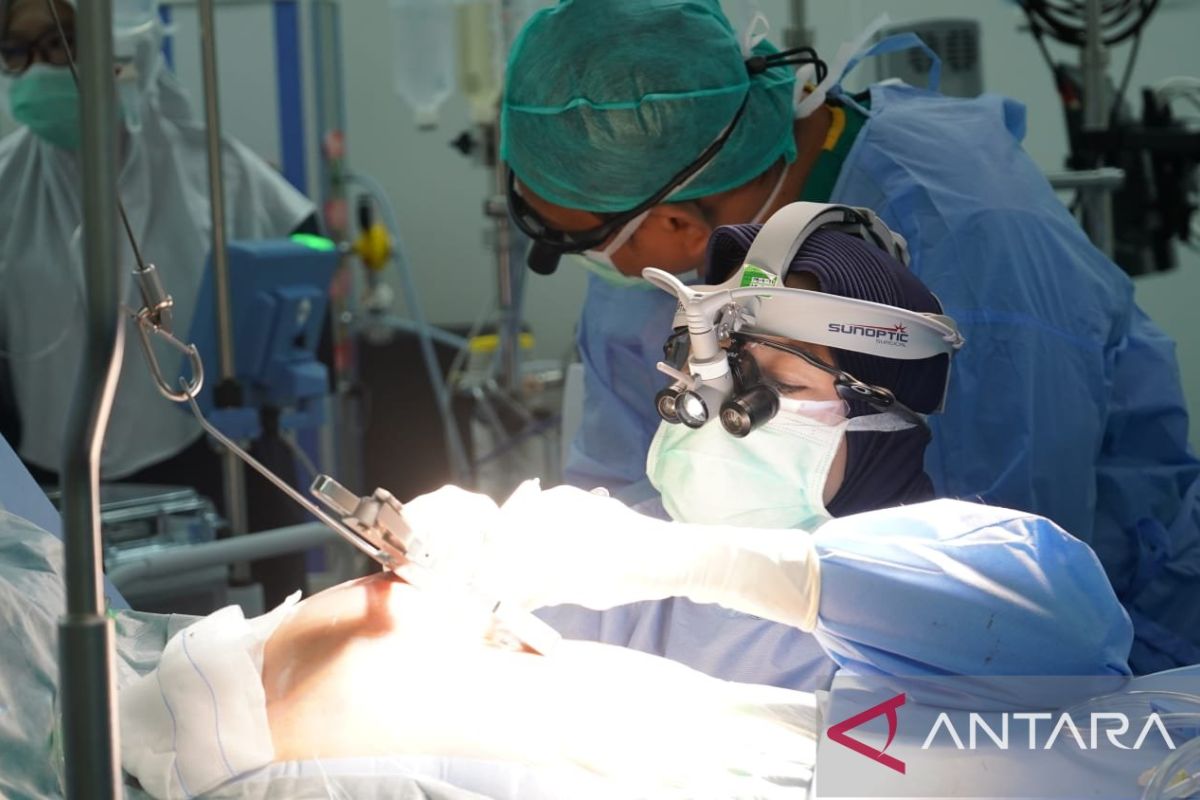
Jakarta (ANTARA) - Cardiovascular thoracic surgery specialist at Heartology Cardiovascular Hospital, Widya Trianita Suwatri, has said that the minimally invasive method for Coronary Artery Bypass Grafting (CABG) minimises incisions while still targeting complete revascularisation.
Widya said in Jakarta on Monday that a number of studies have compared minimally invasive CABG with conventional CABG via sternotomy in patients with multivessel disease.
Around 95.5 percent of patients treated with minimally invasive CABG successfully achieved complete revascularisation, she said, while 96.3 percent of sternotomy patients achieved complete revascularisation.
“In conventional surgery, the divided sternum requires time to fuse and the healing process can take up to around 12 weeks. In MICS, the sternum remains intact. This means patients do not need to undergo the sternal healing process, so recovery can be more efficient,” she explained.
“These findings show that the minimally invasive approach does not stop at wound size, but has the potential to reduce the need for blood transfusions and support the patient’s recovery process after surgery,” she said.
Furthermore, in postoperative angiographic evaluation examinations carried out before patients were discharged, 96.2 percent of grafts in the minimally invasive CABG group were reported to be good.
According to her, the success of surgery is not only about ensuring the bypass works well, but also helping patients to recover and return to their daily activities earlier.