
Expert: Maintenance and evaluation crucial for maintaining palm oil productivity
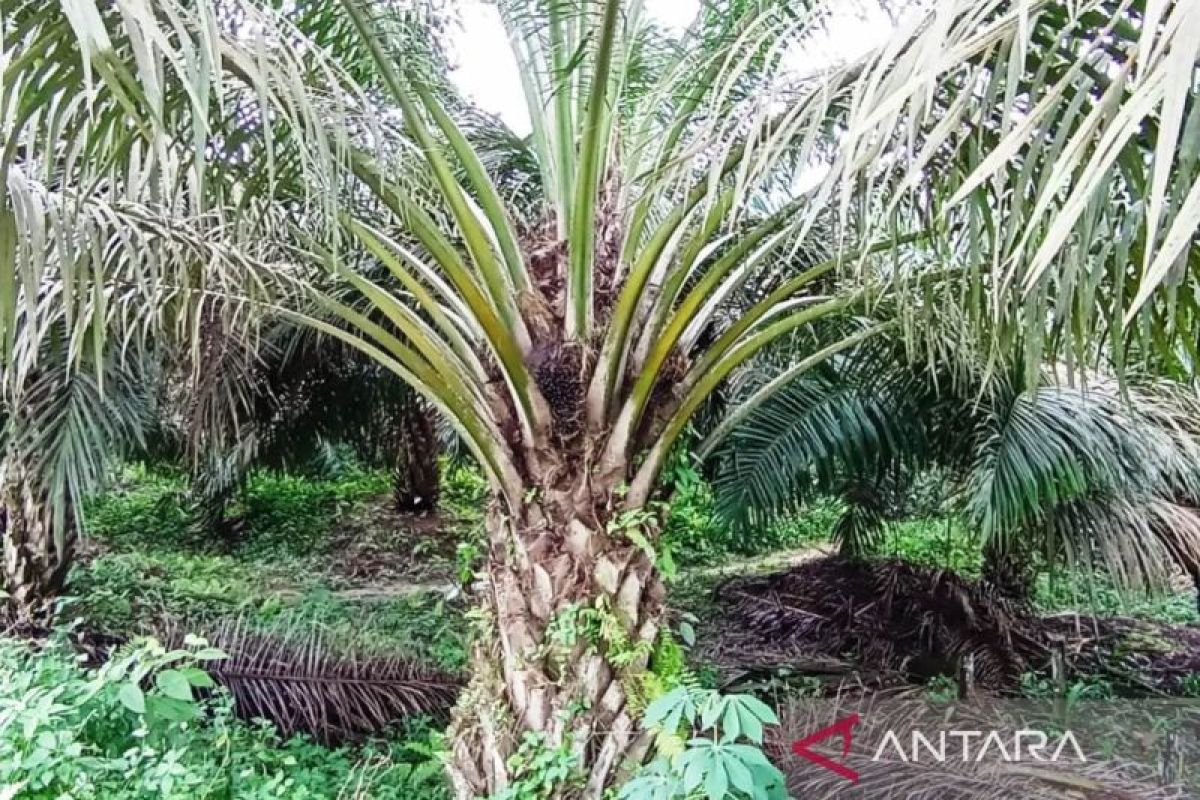
If these activities stop, the impact is indeed not immediately visible, but it will reduce production in the medium and long term.
Jakarta (ANTARA) - Muhamad Zainal Arifin, Director of the Centre for Natural Resource Law Studies and Advocacy (Pustaka Alam), has said that the continuity of fertilising, harvesting and maintenance is the main factor in maintaining the productivity of oil palm plantations.
“If these activities stop, the impact is indeed not immediately visible, but it will reduce production in the medium and long term,” Zainal said in a statement in Jakarta on Friday.
He underlined this following indications of declining productivity at oil palm plantations managed by PT Agrinas Palma Nusantara.
Previously, Agrinas Palma reported a surplus of Rp2.86 trillion and a net profit of Rp27.9 billion for the 2025 financial year. The company also said it had managed around 1.7 million hectares of oil palm plantation land resulting from state assignments.
However, according to Zainal, that profit achievement does not yet reflect the economic potential of the assets under management.
He explained that of the total assignment of around 4.11 million hectares of land, only about 1.7 million hectares have been verified. Of that figure, only around 730 thousand hectares have been planted with oil palm, while by mid-2026 only some 168 thousand hectares of plantations are genuinely managed independently.
In addition, a number of land legality aspects also remain unresolved, ranging from the Plantation Business Licence (IUP), Spatial Use Activity Suitability (KKPR), environmental approval, forest area release, to the Right of Cultivation (HGU).
Furthermore, he said one of the most important issues is the indication of a significant decline in plantation productivity following the takeover.
He cited discussions at a recent hearing with Commission VI of the House of Representatives, which stated that plantation productivity previously reached around 18 tonnes of fresh fruit bunches (FFB) per hectare per year, but has fallen to only around 6-6.5 tonnes per hectare.
“Mathematically, the decline reaches around 64-67 per cent. The cause must be traced, whether it is due to declining plantation quality or whether there are problems in its management,” he said.
Zainal considered that indicators of the company’s success need to include clarity of land legality, area of mature plants, productivity per hectare, utilisation of palm oil mills, resolution of agrarian conflicts, and the amount of state revenue genuinely generated.
“The government also needs to set measurable targets for Agrinas Palma’s management over the next one to two years. If productivity, the condition of the mills, or management transparency show no improvement, the government must dare to conduct a thorough evaluation of the model for handing over and managing these assets,” he said.
Source: jawawa.id (https://jawawa.id/newsitem/expert-maintenance-and-evaluation-crucial-for-maintaining-palm-oil-productivity-1784263931)
Originally published by Antara (Indonesian) (https://www.antaranews.com/berita/5653455/pakar-pemeliharaan-evaluasi-penting-untuk-jaga-produktivitas-sawit), translated from Indonesian