
Expert: Indonesia Could Pioneer High-Blend Biodiesel Adoption
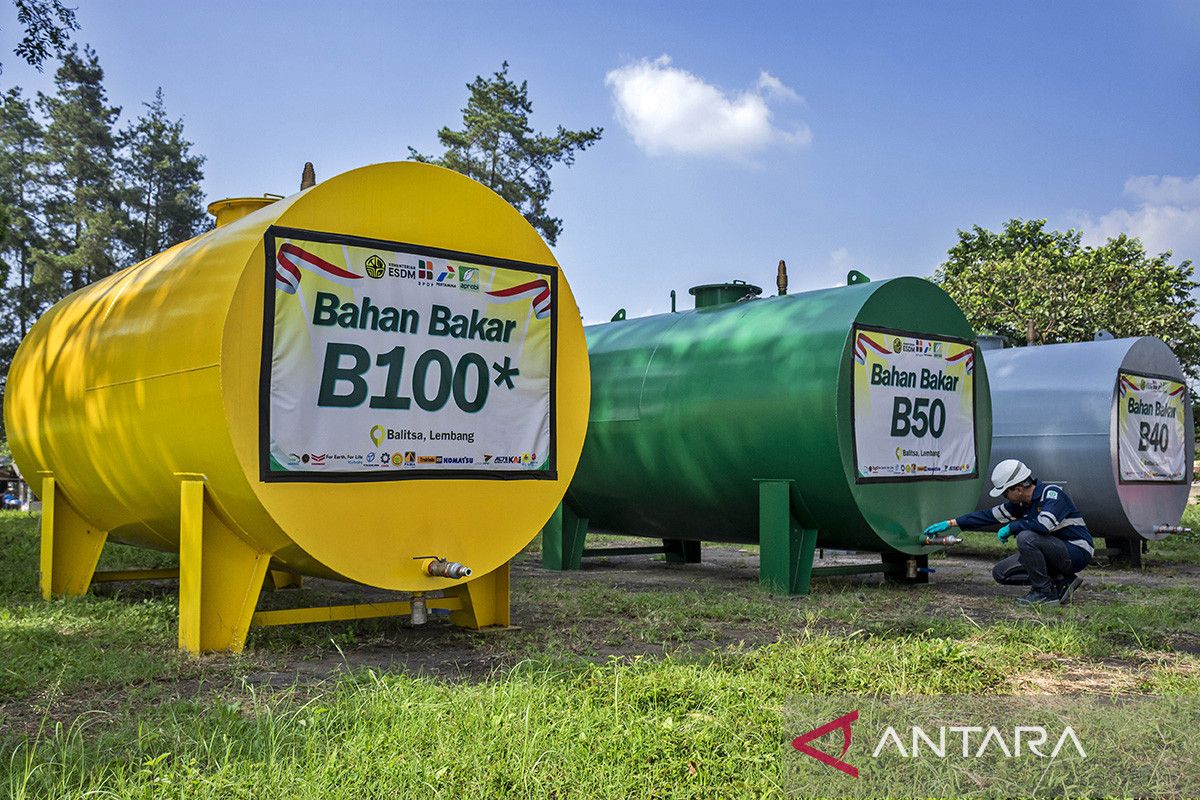
Indonesia has the opportunity to become a pioneer in the implementation of high-blend biodiesel ahead of the B50 implementation scheduled for July 2026, according to Hendry Cahyono, an economist from the State University of Surabaya (Unesa).
“Indonesia has the opportunity to become a pioneer in the implementation of high-blend biodiesel,” Hendry stated in a briefing received in Jakarta on Friday.
Hendry noted that several countries still implement lower biodiesel blends, such as Malaysia, which operates in the B1-B20 range, Thailand at approximately B20, and various European nations that use blends of around 7–10 per cent.
Furthermore, Hendry stated that the use of B50 could reduce energy import figures. A reduction in the need for diesel imports also has the potential to provide a positive impact on the trade balance and the exchange rate of the rupiah.
“If that is the case, it will indeed lower import figures. One of the subsequent impacts could be the appreciation of the rupiah exchange rate,” said Hendry.
The government estimates that the implementation of B50 could allow Indonesia to cease diesel imports and save foreign exchange reserves by up to Rp157 trillion. According to Hendry, this target can be achieved provided the government carefully calculates raw material requirements, biodiesel industry capacity, and financing schemes.
He assessed that the B50 mandate could serve as a vital project in achieving energy security. Although energy self-sufficiency does not depend solely on biodiesel, increasing the use of fuels based on domestic resources can reduce dependence on foreign supplies.
“If B50 is utilised and the industrial sector also adopts B50, it could serve as a pilot project for energy security,” he added.
Furthermore, Hendry added that the implementation of B50 could drive the growth of the national biodiesel industry. The increased demand for biofuels could unlock new investments, increase the utilisation of biodiesel plants, and create a multiplier effect across the plantation and palm oil processing sectors.
Nevertheless, he cautioned that environmental aspects must be maintained at the upstream level. Hendry stated that the increased demand for palm oil should be met through enhanced productivity and technology, rather than through massive plantation expansion, which risks causing deforestation and carbon debt.