
Expert Highlights Importance of Domestic Stability Amid US-Iran War
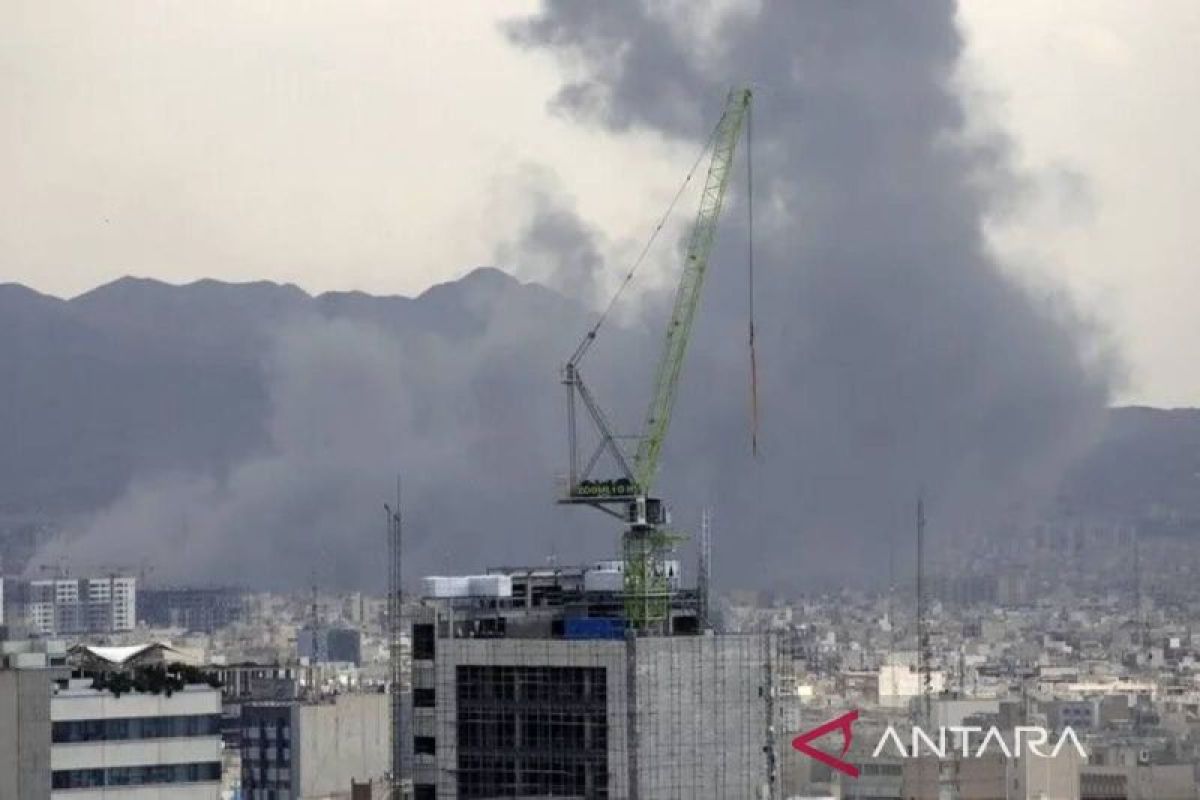
Jakarta (ANTARA) - Amid global geopolitical tension following the war between the United States and Iran, Indonesia has a vested interest in maintaining domestic resilience and stability, according to Chandra Purnama, Ph.D., an international relations expert at Padjadjaran University.
“We must safeguard domestic resilience as an example of stability for the world. We need to look inward because we must truly maintain our domestic resilience,” Chandra said at a Global Insight Forum (GIF) webinar on the US-Iran war on Saturday.
He said one effort to preserve national conduciveness amid global tension is to maintain security and logistics stability along the Indonesian Archipelagic Sea Lanes (ALKI).
This, he said, should be done by ensuring that the sea lanes within Indonesia are not turned into weapons that allow tensions to creep close to home. “We should not follow suit, in the context of war, by weaponising our waters in the way Iran has done with the Strait of Hormuz,” the academic said.
Highlighting the harsh response to a proposal previously floated by a national official to levy transit fees on commercial vessels in the Malacca Strait, Chandra agreed that Indonesia must avoid such measures.
Beyond maintaining domestic stability, the academic, who is also a senior fellow at the GIS think tank, said Indonesia should increase its contribution to de-escalating global conflicts, particularly the US-Iran war.
He proposed that Indonesia initiate a middle-power alliance to serve as a platform for developing countries to pursue shared interests, including peace.
Indonesia could then initiate an emergency session at the United Nations through the Non-Aligned Movement (NAM), of which Indonesia was a founding member.
Indonesia also needs to optimise back-channel diplomacy, which he described as a “safety valve”, to help defuse conflicts through dialogue conducted in non-traditional ways, he said.
Since the war began on 28 February, Tehran and Washington signed a memorandum of understanding on 18 June to end hostilities and prepare for further peace negotiations.
However, since 8 July, US forces have launched a fresh series of attacks on Iran, with the US Central Command (CENTCOM) claiming the strikes were in retaliation for Iranian attacks on commercial vessels passing through the Strait of Hormuz. Iranian forces subsequently responded by attacking US bases in the Middle East.