
Expert Highlights 4 Aspects in the Criminal Asset Forfeiture Bill, from Detection to Prevention
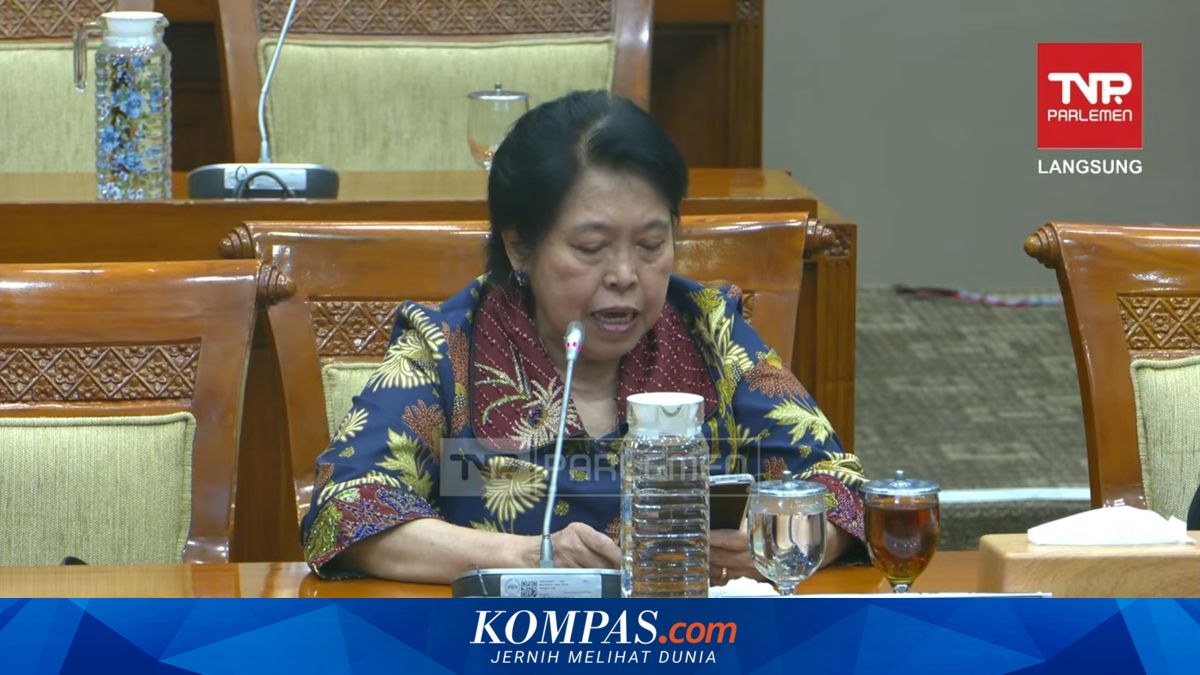
Jakarta - A University of Indonesia law expert, Harkristuti Harkrisnowo, stated that there are at least four main issues that must be addressed in the formation of the Criminal Asset Forfeiture Bill. “At least four main issues need to be formulated in detail in this legislation,” she said during a hearing on the drafting of the Criminal Asset Forfeiture Bill at the parliamentary complex in Jakarta on Monday (20/4/2026). Harkristuti explained that the first point to consider is the detection mechanism. This process involves various parties, including the banking sector and the Financial Transaction Reports and Analysis Centre. “Detection is carried out on suspicious illegal activities through a comprehensive legal framework that is reviewed periodically,” she said. She added that the use of technology, specialised training, and clear guidelines are necessary to legally identify and seize assets resulting from crimes. “It needs to be clarified that it is not true that assets can be forfeited without a court decision. Indeed, not through a criminal decision, but there is still a judicial process that must be followed,” she stated. Harkristuti continued that another aspect to consider is the asset forfeiture process itself, where seizures must be carried out quickly accompanied by criminal money laundering investigations. In addition, she highlighted the importance of international cooperation to ensure the process runs smoothly. Another aspect is the management of assets that have been forfeited by the state. She mentioned that the prosecutor’s office currently has an asset management body, but the system and supervision still need strengthening. The final aspect is prevention, so the Criminal Asset Forfeiture Bill must also be able to prevent the repetition of criminal acts. “This legislation must be able to prevent the repetition of criminal acts and ensure that Indonesia does not become a safe place for similar crimes,” she said. According to her, this requires periodic legal reviews, clear sanctions, and community involvement in reporting.